
As the legal industry evolves, traditional marketing methods remain valuable, but social media can provide law firms with additional ways to reach and engage their audiences. Through social media marketing for lawyers, firms can move beyond simply maintaining an online presence and create more meaningful interactions.
Creating strategic and focused social media campaigns for lawyers can support stronger connections with potential clients. A clear plan, consistent execution and regular evaluation can help firms refine their approach over time.
- Law firm leaders and legal marketers can strengthen client outreach with a focused social media strategy built around SMART goals, measurable engagement and consistent content planning.
- The article outlines how firms can choose the right platforms, use educational posts, videos and interactive content, and turn common client questions into searchable marketing assets.
- Paid campaigns on LinkedIn, Facebook and Instagram can help firms reach targeted audiences more efficiently while tracking ROI, click-through rates and lead conversions.
- Firms that regularly monitor performance, avoid overposting and align social campaigns with broader business goals may improve visibility, audience engagement and long-term marketing results.
Step 1: Set SMART Goals for Your Social Media Campaigns for Lawyers
The first step in building an effective social media strategy is to set clear, achievable goals. How can your law firm determine whether its social media efforts are supporting its broader objectives? The answer lies in creating measurable objectives.
The SMART goal framework provides a straightforward way to define Specific, Measurable, Achievable, Relevant and Time-bound goals. By applying this method, you can track progress, measure impact and make data-driven decisions about your social media strategy.
Whether your focus is increasing engagement, boosting brand awareness, generating leads or acquiring new clients, a well-defined strategy is an important foundation for social media legal marketing.
Step 2: Define the Right Platforms
Choosing the right platforms is an important part of reaching your target audience. Different social media channels attract different groups and support different types of content, so focus on the ones that align with your audience and campaign goals.
Rather than maintaining a presence on every platform, consider where your target audience is active and which channels best support the content you plan to share. Platforms law firms may consider include:
- LinkedIn: Useful for professional networking, industry commentary and sharing legal insights. Law firms can use LinkedIn to connect with other professionals and communicate their experience and perspectives.
- Facebook: Can support community engagement, firm updates and interaction with existing and prospective clients.
- Instagram: Offers visual formats such as photos, videos, Stories and Reels that firms can use to showcase their people, culture and educational content.
- X: Can be used for timely updates, legal news and commentary, particularly when those formats align with a firm’s audience and objectives.
Step 3: Craft Engaging Content That Resonates
To connect with your audience and highlight your expertise, try using these content types that appeal to potential clients:
Educational Posts and FAQs
By addressing common legal questions through educational posts, you can help make legal topics easier for the public to understand while demonstrating your firm’s knowledge. Creating content around the questions clients actually ask can also extend beyond social media: turning client questions into content that AI search can find can help firms structure useful information around the language and concerns of prospective clients.
Showcasing Your Work
Share anonymized case studies that highlight your firm's expertise and problem-solving skills. Focus on the unique challenges clients face and the approaches used to address them, while following applicable professional and ethical requirements.
Interactive Content
Incorporating engaging elements such as polls or infographics helps break down intricate legal topics into digestible, visual formats. These formats can also encourage audiences to interact with and explore your content.
Video Content
Video content is a dynamic way to connect with your audience. By sharing quick tips and breaking down complex legal concepts into easy-to-follow segments, you can make legal information more accessible and approachable.
Create content that addresses your target audience's concerns and pain points. Storytelling can also make social media content more relatable and memorable when it fits the subject and audience.

Step 4: Leverage Paid Campaigns for Social Media Legal Marketing
Paid social media campaigns can help law firms extend the reach of selected content beyond their existing audiences. Platforms like Facebook, LinkedIn and Instagram offer targeting options that allow firms to define audiences based on criteria available within each platform.
By using targeted advertising, you can focus campaigns on relevant audience characteristics, such as location, demographics or professional interests, depending on the platform and applicable advertising requirements. This can help firms use their advertising budgets more deliberately rather than relying on broad distribution.
To optimize your campaigns, consider testing different ad creatives and messaging through A/B testing. Monitoring your ROI and other campaign metrics can help you evaluate performance and adjust your approach based on the results.
Step 5: Ensuring Consistency and Effective Scheduling
To maintain a consistent social media presence, post regularly. Platforms like Hootsuite and Buffer make it easier to schedule and automate content, helping firms plan posts in advance and maintain a regular publishing schedule.
A thoughtful social media strategy for lawyers can blend both evergreen and timely material. Evergreen content, such as blog posts that explain key legal concepts or offer valuable tips, stays relevant over time and can be repurposed across social channels as long as the information remains accurate and useful.
Adding timely updates, such as legal news or announcements about upcoming events, helps you stay connected to what’s happening right now. Posts tied to specific campaigns, events or webinars can also support broader marketing initiatives.
Step 6: Monitor Performance and Optimize
To strengthen the effectiveness of your social media marketing, it’s important to regularly evaluate performance. Tracking key metrics can help you identify what’s working, uncover areas for improvement and adjust your strategy based on performance data. Here are the key metrics to consider:
Engagement Metrics
- Likes, Comments and Shares: These indicators can help show how audiences are interacting with your content.
- Click-Through Rates (CTR): CTR measures how often users click a link after seeing your content, helping you evaluate which posts or calls to action generate interest.
Website Traffic
- Unique Visitors: This metric tracks the number of individual visitors to your site, helping you gauge your reach and audience size.
- Pageviews: Monitoring pageviews helps you understand which pages visitors are viewing and how traffic from social media moves through your website.
- Engagement Metrics: Depending on your analytics platform, metrics such as average engagement time or engaged sessions can provide additional context about how visitors interact with your website after arriving from social media.
Lead Generation
- Form Submissions: Track how many form submissions can be attributed to social media traffic or campaigns to better understand how those efforts contribute to inquiries.
- Conversion Rates: This metric calculates the percentage of website visitors who take the desired action, such as submitting a form or signing up for a consultation.
Return on Investment
- Measure the financial return from your marketing efforts by calculating ROI. Divide net profit by the total investment in your campaigns to help evaluate campaign performance alongside other relevant metrics.
Step 7: Sidestepping Social Media Campaign Mistakes
Several common missteps in social media campaigns for lawyers can limit their effectiveness. Posting too often can flood your audience and dilute your message. Overlooking negative comments or client inquiries can harm your brand’s image.
Additionally, not aligning campaign objectives with your broader marketing strategy can lead to inconsistent efforts and lost chances.
To make the most of your social media presence, balance regular posting with efforts to prevent content fatigue.
Engage with your audience by responding appropriately and professionally to questions or concerns. Lastly, align your social media efforts with your broader marketing and business goals so that campaign activity supports your overall strategy.
Enhancing Your Firm’s Digital Presence with Effective Social Media Campaigns
Strategic planning and execution are key components of social media campaigns for lawyers, especially when focusing on client acquisition. A carefully developed plan can help firms identify relevant audiences, create useful content and evaluate campaign performance. By experimenting with different approaches, tracking performance and refining tactics, firms can continue improving their social media strategies over time.
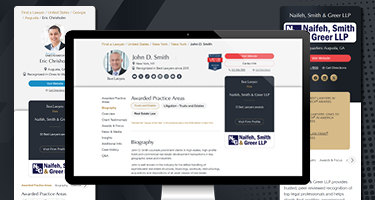
At Best Lawyers®, we help law firms strengthen their digital marketing strategies. The Best Lawyers Digital Marketing Platform provides tools and resources that can support firms as they refine their strategy and digital presence.
Listing your firm in a legal directory can complement your social media strategy by giving prospective clients another place to discover and learn about your firm online.