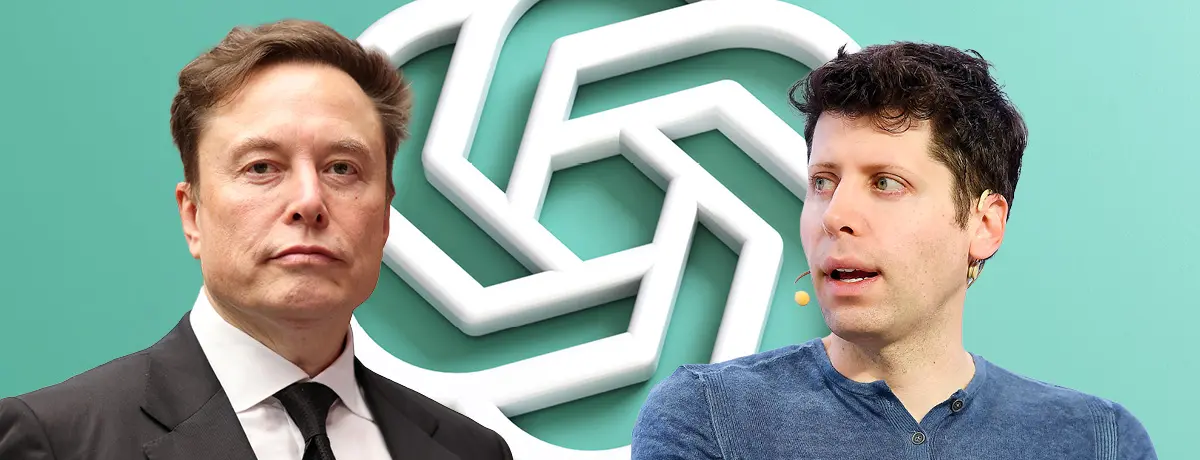

Few legal disputes have captured the attention of the business and technology worlds quite like the case between Elon Musk and OpenAI. At its core, the lawsuit centers on whether OpenAI departed from the founding principles under which it was established, with Musk arguing the company shifted from a nonprofit mission toward commercial gain. Corporate governance, organizational purpose and the future of artificial intelligence are all at issue.
On both sides are seasoned trial lawyers with records in complex, large-scale litigation.
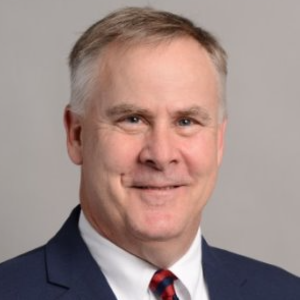
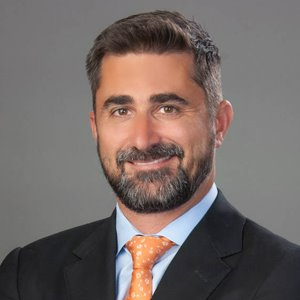
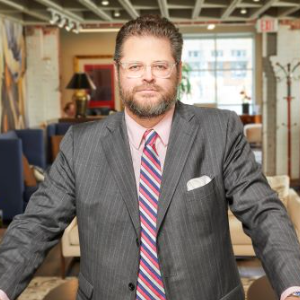
Steven F. Molo | Counsel for Elon Musk
Molo is a veteran trial lawyer with a career that spans private practice, federal prosecution and the founding of a litigation boutique built specifically for high-stakes matters. He began his legal career as a prosecutor in Chicago before moving into private practice at Winston & Strawn, where he served as a senior litigator and member of the firm's Executive Committee. He later spent five years as a litigation partner at Shearman & Sterling before co-founding MoloLamken in 2009.
MoloLamken was structured from the outset around trial and appellate work, frequently handling matters against firms with considerably greater resources. His practice covers a broad range of clients, including corporations, boards, funds, investors, inventors and individuals, across complex business litigation, white collar criminal matters and Intellectual property litigation, with a client base that extends internationally.
He is sought out for matters expected to run their full course through the legal system and is regarded for his preparation, strategic thinking and courtroom presence. His casework includes representing a special committee of the board of a social media company in Delaware Chancery Court proceedings involving allegations of breach of fiduciary duty related to a $1 billion convertible debt transaction.
Steven F. Molo was included in the 2026 edition of The Best Lawyers in America® for Commercial Litigation, Criminal Defense: White-Collar and Litigation – Securities.
In the Elon Musk OpenAI lawsuit, Molo represents Musk in a case that raises questions about OpenAI's adherence to its founding mission and governance commitments. His record in corporate matters maps to the governance, financial and mission-related questions at the center of the case.
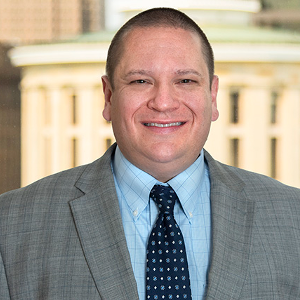
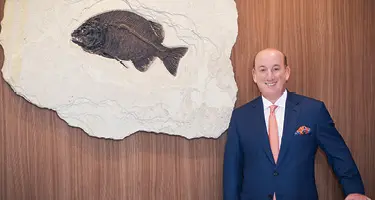
William Savitt | Counsel for Sam Altman and OpenAI
Savitt is a partner at Wachtell, Lipton, Rosen & Katz, New York, where he serves as Co-Chair of both the Executive Committee and the Litigation Department. His practice centers on complex commercial litigation for corporations and directors, with experience across M&A disputes, shareholder conflicts, proxy contests and corporate governance matters. He also serves as an adjunct professor at Columbia Law School, where he teaches transactional litigation.
Savitt is known for combining substantive corporate law knowledge with courtroom capability. He is sought out by boards and executives in significant litigation where governance and fiduciary questions are at issue and is recognized for managing complex, multi-jurisdictional disputes under close public scrutiny.
In 2022, he represented Twitter in Delaware Chancery Court proceedings that arose after Elon Musk sought to exit his $44 billion acquisition agreement, a case that placed him directly opposite Musk.
William Savitt has been recognized in The Best Lawyers in America for Commercial Litigation since 2023. In the OpenAI Elon Musk lawsuit, Savitt again represents the opposing side from Musk, this time on behalf of Sam Altman and OpenAI. His background in corporate governance and fiduciary matters is directly relevant to the issues the case raises.
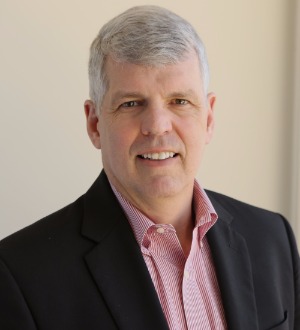
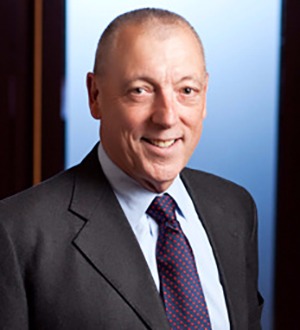
Jordan D. Eth | Counsel for Sam Altman
Eth is a partner at Morrison Foerster, where he serves as Co-Chair of the Securities Litigation, Enforcement and White-Collar Defense Group. Before entering private practice, he clerked for Chief Judge Robert F. Peckham of the U.S. District Court for the Northern District of California. He has also taught securities fraud litigation as an adjunct at Stanford Law School.
His practice focuses on representing public companies and their officers and directors in securities class actions, SEC investigations, derivative suits, M&A litigation and internal investigations. He has worked on matters across financial services, technology, life sciences and consumer products, including representations involving technology companies such as Yahoo, Oracle and Fitbit, with familiarity in California courts where significant technology disputes are frequently litigated.
Eth is sought out for matters where the outcome carries significant consequences for the companies and individuals involved. In 2008, he co-led the defense of JDS Uniphase Corporation and its former executives in a securities class action jury trial with $20 billion at issue.
Jordan D. Eth was recently included in the 2026 edition of The Best Lawyers in America for Bet-the-Company Litigation, Commercial Litigation, Litigation - Securities and Litigation - Regulatory Enforcement (SEC, Telecom, Energy). In the OpenAI Elon Musk lawsuit, Eth adds West Coast litigation experience to OpenAI's legal team. His background in securities and governance disputes is relevant to a case centered on AI development and corporate structure.
What the Case Signals
Whatever the outcome, the Musk v. Altman lawsuit reflects something broader about the moment the technology industry finds itself in. Courts are increasingly being asked to weigh in on questions that were once settled informally, among founders and boards, about mission, control and accountability. The lawyers on both sides of this case bring the kind of experience that such questions demand.
Looking for recognized legal counsel in commercial litigation or complex business disputes? Visit the Best Lawyers ® directory to find attorneys peer-reviewed for their work in these areas.