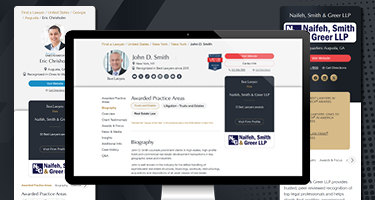

Our digital age is visual. Images, videos and infographics can help capture attention, communicate information clearly and encourage audiences to engage with content.
In the legal field, infographics can simplify complex concepts, support client engagement and enhance online visibility.
By leveraging visual communication, legal professionals can make complex information more accessible and give audiences another way to engage with legal content.
- Legal infographics help law firms turn dense legal topics into clear, engaging content clients can quickly understand and share.
- The article outlines six infographic formats, from timelines to case studies, that can support SEO, client education and digital engagement.
- Readers get practical design guidance on accessibility, mobile readability, branding and AI-assisted content creation.
- Firms using visual content across websites, social media and email can strengthen visibility and keep audiences engaged in a crowded digital market.
The Legal Infographic Advantage
Legal infographics can make complex concepts easier to understand, providing clients with a clearer picture of their legal matters. By visually breaking down intricate information, legal infographics help simplify and clarify the often-overwhelming language of the law, making it more accessible.
They can also build trust with clients by presenting legal processes in a straightforward, understandable way, helping potential clients better understand the information available to them.
Legal infographics can also support a firm's broader online content strategy. When other websites reference or share useful visual resources, they may earn backlinks and introduce additional audiences to the firm's content.
They can help firms present their knowledge in an engaging, professional format. Legal infographics provide another way to communicate with existing and potential clients while making complex information easier to navigate.
Six Types of Legal Infographics You Should Know
Different legal marketing infographic types serve distinct purposes, each designed to highlight specific information and engage your audience in unique ways. Below are some of the most frequently encountered types:
- Statistical Infographics: Visual representations of data that make complex information easier to understand and digest. They turn raw data into engaging, informative graphics, such as charts or graphs.
- Process Infographics: Think of these as visual roadmaps that guide clients through important legal decisions, such as how to hire a lawyer or find one in a reputable legal directory.
- Comparison Infographics: Help clients understand the pros and cons of different legal strategies.
- Timeline Infographics: Show the timeline of a legal case or highlight key historical events that have shaped the legal landscape.
- Educational Infographics: These infographics can demystify complex legal jargon. They can explain legal concepts concisely, making them accessible to a wider audience.
- Case Study Infographics: Present examples of cases and legal strategies in a visual format. When discussing past matters or results, firms should consider applicable advertising rules and professional requirements.
How to Create Impactful Legal Infographics
When creating legal infographics, start by defining your goals. Are you trying to educate, promote your services or share information? Knowing the purpose will guide your approach to creating legal infographics.
Understanding your audience is key. Whether you’re creating content for clients, businesses or other lawyers, your intended audience should influence how you present the information.
Use data from reliable sources and present it accurately and clearly. Cite or attribute sources where appropriate so readers can understand where the information comes from. Cite or attribute sources where appropriate so readers can understand where the information comes from. Lastly, think of your legal infographic as a story and organize the information in a way that’s easy to follow and makes sense to your audience.
Best Practices for Designing Legal Infographics
When designing legal infographics, aim for simplicity and clarity. Organize your content with concise headings and subheadings to guide the reader through the information. Clear organization can also make legal content easier to interpret across digital environments. As search continues to evolve, understanding how to make legal content easier for AI search to read can help firms think more deliberately about structure, context and clarity when developing online content.
Design with accessibility in mind. Use readable text, sufficient contrast and clear visual organization, and provide descriptive alternative text when infographics are published online.
Make sure the design works across different screen sizes so it’s easy to read no matter the device. Incorporate your firm’s branding to keep the look professional and consistent.
To encourage interaction, consider including interactive features like clickable sections or embedded media when they add value to the content.

Tools and Resources for Law Infographic Creation
There are various tools and resources available to help you create professional-quality infographics. From user-friendly platforms to advanced design software, here are some of the top options for creating impactful infographics for law firms:
Beginner-Friendly Tools
These platforms are great for those new to law infographic design, offering intuitive interfaces and pre-made templates.
- Canva: Easy to use, with a wide range of templates for quick infographic creation.
- Venngage: Provides customizable templates for creating visual content.
- Piktochart: Simple and effective for creating informative and visually appealing designs.
Professional Design Platforms
Advanced tools allow full creative control and flexibility.
- Adobe Illustrator: Industry-standard software for vector design and detailed graphics.
- Figma: A collaborative design tool that allows teams to work together on infographic projects in real time.
Free Resources for Law Infographics Creation
Enhance your infographics with free resources that can save time and improve quality.
- Icon Packs: Access free icons to represent legal concepts and actions.
- Templates: Find free templates to kickstart your infographic creation.
- Online Tutorials: Learn design tips and tricks to improve your infographic skills.
- AI-Powered Tools: AI tools can assist with tasks such as brainstorming design ideas, organizing information or automating repetitive work. Review AI-generated text, data and visual elements for accuracy and appropriateness before including them in legal marketing materials.
Distribution Strategies for Law and Legal Infographics
To get the most value out of your law firm's infographics, consider where and how you can share them. Start by adding them to blog posts, case studies or landing pages on your website to make your content more engaging.
Share them across social media platforms that are relevant to your audience, such as LinkedIn, Instagram or X. Include law infographics in your email newsletters as another way to present useful information to subscribers.
You can also use them in targeted digital ads to extend the reach of selected content. Take advantage of offline opportunities by adding them to presentations, brochures or event handouts.
Common Mistakes to Avoid When Creating a Legal Infographic
When creating a legal infographic, it's important to avoid some common pitfalls. One of the biggest mistakes is packing in too much information, which can overwhelm and confuse your audience.
Low-quality design, like unpolished visuals, can hurt your firm’s credibility. Accessibility should also be considered throughout the design process so text, visuals and important information are clear and usable for a wider audience.
When publishing an infographic online, provide supporting page content and descriptive alternative text where appropriate so readers and search technologies have context for the visual. A clear call-to-action can also give interested readers an appropriate next step. Keep it simple, clear and purposeful so the infographic supports the broader goals of the content.
Key Takeaways from Infographics in Legal Marketing
Legal infographics can support legal marketing efforts by making complex topics more accessible and engaging for audiences.
They can help capture attention and provide another format for communicating a firm's knowledge and experience. However, to get the most value out of legal marketing infographics, it’s crucial to plan, design and promote them thoughtfully.
Be sure to craft clear messages, use high-quality visuals and strategically distribute your infographics across channels relevant to your audience.
Want to take your digital marketing further? Explore The Best Lawyers Digital Marketing Platform for tools and resources that can support your firm's broader digital marketing strategy.