
As digital marketing expands, content marketing can play an important role for law firms seeking to strengthen client relationships and maintain a credible online presence.
Content marketing continues to evolve alongside changes in search and AI. Clutch and Conductor's State of Content Report found that 81% of content marketing professionals surveyed feel positive about the state of content in the era of large language models.
For law firms, content marketing is more than a tool for visibility; it’s a way to share knowledge, provide useful information and develop connections with prospective and existing clients through informative and accessible content.
- Law firm leaders and legal marketers can use content marketing to strengthen client trust, improve online visibility and support business development as AI-driven search changes how people find legal information.
- The article highlights high-impact content formats including blogs, FAQs, webinars and videos. Wyzowl reports 91% of businesses use video marketing, making accessible legal content increasingly valuable for client engagement.
- SEO remains critical, but search behavior is shifting from keywords to user intent. Firms that publish clear, client-focused content may improve visibility across search engines, AI tools and legal directories.
- Learn how to measure ROI through lead tracking, engagement metrics and conversion data while building a stronger digital presence that keeps your firm competitive in a rapidly evolving online landscape.
Why is Content Marketing Important for Law Firms?
Understanding why content marketing is valuable for law firms begins with seeing its benefits for credibility, client engagement and online presence. Here’s how content marketing can make a difference:
1. Building Trust, Engagement and Client Acquisition
For law firms, establishing trust and credibility is important. By providing high-quality materials that address client questions, law firms can demonstrate their knowledge and make complex legal information more approachable. Creating resources like articles, blogs and videos that explain legal processes, client rights or common misconceptions opens doors for ongoing communication.
These resources can also support lead generation by providing potential clients with useful information as they research legal issues and consider their options. Through strategic, insightful content, law firms can create meaningful touchpoints throughout a potential client’s research and decision-making process.
2. Better SEO and Online Visibility
One of the key benefits of content marketing is its role in search engine optimization (SEO). Relevant, useful content can support a law firm’s visibility as people research legal information and services online.
By integrating SEO best practices—such as keywords, high-quality content and backlinking—your law firm can support its visibility in search results when clients look for legal assistance or advice.
Search behavior is also evolving beyond traditional keyword queries. AI legal search is moving from keywords to intent, allowing people to describe legal problems in ordinary language and with more context. Creating content that clearly addresses the questions and circumstances behind a legal issue can help firms respond to the way people increasingly search for information.
Must-Have Content Types for Engaging Legal Clients
Creating diverse content types allows you to reach a broader audience, catering to different learning styles and preferences. Here are useful types of content for law firms:
1. Educational Articles and Legal Guides
Educational content remains a cornerstone of content marketing for law firms. Legal guides, FAQs and informational blogs address common questions and challenges, providing value to clients even before they’ve engaged the firm’s services.
2. Case Studies and Client Success Stories (When Allowed)
Sharing case studies or client success stories can provide examples of a firm’s experience and approach to previous matters. However, you must first obtain client approval and confirm that sharing these testimonials complies with applicable professional and ethical requirements.
When permitted, anonymized stories can highlight a firm’s strategic approaches and previous matters while respecting client confidentiality.
Potential clients may find value in learning how a firm has approached previous matters, but firms should avoid suggesting that past outcomes guarantee similar results in future cases.
3. Video Content and Webinars
Video content remains widely used in marketing, with Wyzowl’s Video Marketing Statistics finding that 91% of businesses use video as a marketing tool. Your law firm’s videos can cover complex legal topics, explaining processes and legal terms in accessible ways.
Webinars on pressing legal issues, like recent changes in tax law or evolving employment regulations, allow firms to engage directly with potential clients, address questions and share relevant information.
4. E-books or White Papers
For clients seeking in-depth information, e-books and white papers offer comprehensive coverage of specific legal topics.
This type of content can be useful for businesses or clients facing complex legal matters, as it allows them to explore the firm’s depth of knowledge.

How to Distribute Law Firm Content for Maximum Reach
Creating high-quality content is only the first step—distribution plays a role in helping content reach relevant audiences.
1. Law Firm Blog and Website
Your law firm’s blog or website is the foundation of your digital presence. A well-optimized site with relevant keywords, fast load speeds and a mobile-friendly design makes it easier for potential clients to find your content
As already mentioned, SEO plays a key role in supporting the visibility of your blog and website in search results, connecting your expertise with those actively seeking legal guidance.
2. Social Media and Community Building
Social media platforms can help law firms establish community connections and expand their reach. HubSpot's State of Marketing research found that 40.3% of brands use organic social media content, reflecting the continued role of social channels in content distribution.
Through informative posts and engagement with followers, law firms can share their knowledge and maintain an online presence.
Social media can also extend the reach of content originally published on a firm’s website, giving firms another channel for sharing articles, videos, legal updates and other resources with relevant audiences.
3. Email Marketing
Email marketing provides another way to distribute content to both current clients and new leads. Your law firm can use newsletters to share recent blog posts, legal insights and firm updates. This ongoing communication can help keep clients and subscribers informed about relevant developments and firm resources.
4. Legal Directories and Online Profiles
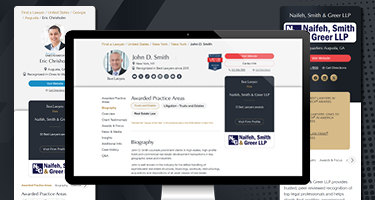
Having a presence in online directories like Best Lawyers can support a law firm’s visibility. A legal directory can contribute to a firm’s broader digital presence through relevant listings, backlinks and third-party information that prospective clients may encounter when researching legal professionals.
That third-party information is becoming relevant beyond traditional search. Third-party validation matters more in AI search, where AI-assisted tools may draw from legal directories and other credible external sources alongside a firm’s own website. Keeping directory profiles accurate and current can help ensure those sources consistently represent a lawyer or firm.
How to Measure Content Marketing ROI for Law Firms
To gauge the effectiveness of content marketing, law firms should implement clear tracking methods. Here are some of the metrics to consider:
1. Tracking Leads and Client Inquiries
Measuring lead generation and client inquiries helps evaluate content’s impact. Tools like Google Analytics can track where website traffic originates, whether through organic search, social media or email. By observing traffic sources, your law firm can identify which content types and distribution channels contribute to website activity and inquiries.
2. Engagement Metrics
Engagement metrics—such as time spent on pages, social shares and click-through rates—provide insight into how readers are interacting with content. These metrics can help firms identify which topics and formats are resonating with their audiences and where adjustments may be needed.
3. Conversion Rate
Conversion rate tracks the percentage of visitors who take a desired action after engaging with your content. For example, monitoring how many readers of a blog post proceed to book a consultation can provide additional insight into how content contributes to client inquiries.
Conversion tracking can support ROI analysis by connecting content engagement with specific actions taken by prospective clients.
4. Client Feedback and Reputation
Client testimonials, reviews and feedback provide qualitative data that can complement quantitative content metrics. Feedback about a firm’s resources or informational content can also reveal what clients find useful.
Empower Your Law Firm’s Growth
Want to strengthen your online presence, provide useful information to prospective clients and build a more strategic approach to content marketing? Discover actionable steps, SEO strategies and exclusive tools in our step-by-step guide designed specifically for small and mid-sized law firms.
Access our free guide now to identify opportunities to strengthen your firm’s online presence.