Insight

Bristol-Myers Squibb Co. v. Superior Court of California, San Francisco

The decision “may make it impossible to bring certain mass actions at all."

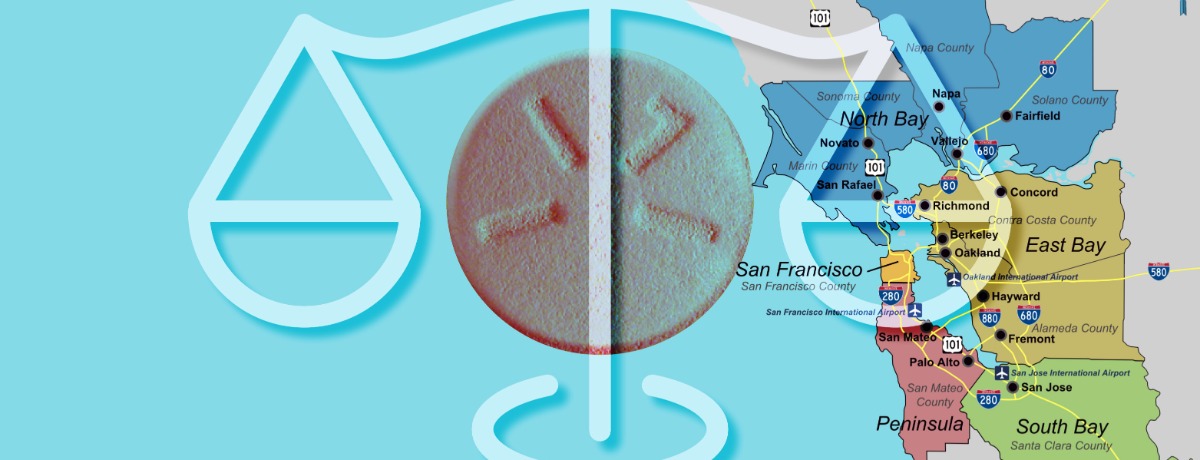
Map of California with blue ocean and balance scale symbol in the middle
CF

Clifford J. Zatz and Josh Thomas Foust

July 5, 2017 11:06 AM

On June 19, the U.S. Supreme Court dealt a blow to mass tort suits against out-of-state defendants, clarifying again the constitutional limits on specific jurisdiction over foreign corporations. In Bristol-Myers Squibb Co. v. Superior Court of California, the Court held eight to one that California state courts had no jurisdiction to hear claims of non-California residents against Bristol-Myers Squibb Co. (BMS), a Delaware corporation headquartered in New York. In so ruling, the Court confirmed that states may not expand the scope of specific jurisdiction to circumvent the limits on general jurisdiction announced in the Court’s seminal 2014 decision in Daimler AG v. Bauman.

The case arose out of eight complaints filed in California state court by more than 600 plaintiffs where only 86 were California residents. The claims all centered on BMS’s blood-thinning drug Plavix, which it sold and marketed nationwide.

But BMS did not develop Plavix in California, create its marketing strategy there, or manufacture and label Plavix there. And the 592 plaintiffs from 33 other states did not allege that they bought, or were injured by, Plavix in California. The non-resident plaintiffs’ claims, in short, had no connection to California beyond their similarity to the claims of the California-resident plaintiffs.

The California Supreme Court held this slim connection enough for specific jurisdiction. Applying a so-called “sliding scale approach,” the four to three majority found jurisdiction based on BMS’ “extensive contacts with California”—namely, its sales of 187 million Plavix pills to California consumers. The majority stressed the fact that “[b]oth the resident and nonresident plaintiffs’ claims” were based on the “misleading marketing and promotion” of “the same allegedly defective product.” This “common nationwide course of distribution,” it explained, satisfied the specific-jurisdiction requirement that the claims have a “substantial nexus” with the defendant’s California contacts. Three justices dissented, cautioning that the majority’s “sliding scale” approach risked “expand[ing] specific jurisdiction to the point that … it becomes indistinguishable from general jurisdiction”—contravening important constitutional limits.

Siding with the dissenters, the U.S. Supreme Court held that the California court had erred in finding specific jurisdiction over non-resident plaintiffs’ claims based on Plavix sales to resident plaintiffs. Justice Samuel Alito explained that “[w]hat is needed—and what is missing here—is a connection between [California] and the specific claims at issue”—that is, those of the non-residents who did not buy Plavix or suffer injury in California. The fact that the 86 California plaintiffs also bought Plavix did nothing to create specific jurisdiction over their claims. Neither did BMS’ other “unconnected activities” in California. In so reasoning, Justice Alito emphasized that the Due Process Clause did not concern itself only with the burden of hauling a defendant into a distant forum, but also with principles of federalism: even where the forum state has an interest in the litigation and is convenient for the defendant, due process may require divesting the state of its power to render a judgment.

Although the outcome is not surprising, Bristol Myers Squibb is nonetheless a cogent defense of the important distinction between specific and general jurisdiction, as expounded in Daimler AG v. Bauman, 134 S.Ct. 746 (2014). In Daimler, the U.S. Supreme Court rejected the argument that a corporation is subject to general jurisdiction in any forum where its sales are “sizable” or where it otherwise “engages in a substantial, continuous, and systematic course of business.” To the contrary, “only a limited set of affiliations with a forum” will create “all-purpose jurisdiction” there: for most corporations, only the place of incorporation or principal place of business.

The California Supreme Court’s “sliding scale,” in contrast, suggested that a foreign corporation’s sales into the forum state could alone create specific jurisdiction if part of a “common nationwide course.” This decision thus restores clarity by instructing that such contacts do not create specific jurisdiction where (1) the plaintiffs did not buy the products or suffer injury in the forum state, and (2) the conduct giving rise to their claims did not occur there.

Justice Sotomayor, in dissent, expressed concern that the decision “may make it impossible to bring certain mass actions at all.” But a more likely trend would seem to be a shift to states in which plaintiffs can easily assert general jurisdiction and fewer nationwide class actions in plaintiff-friendly courts.

-------------------------

Clifford J. Zatz, a partner at Crowell & Moring, is a trial lawyer in the firm's mass tort, product, and consumer litigation group. He has litigated product liability, toxic tort, environmental, wrongful death, breach of contract, intellectual property, and cases of emerging risks such as online defamation and cyber security. He has been named to The Best Lawyers in America© in Mass Tort Litigation/Class Actions Defendants annually since 2008.

Josh Thomas Foust, a counsel at Crowell & Moring, is a member of the firm’s litigation and mass tort, product, and consumer litigation groups. His practice is focused on class action defense, consumer fraud and false advertising actions, complex commercial litigation, and financial services and securities litigation.


Related Articles

Obtaining Cell Phone Records in Civil Litigation


by Jeff S. Korek

You might think that cell phone records could help put a distracted driver behind bars. But getting them isn't so simple.

Girl wearing long sleeves with cell phone texts on it while driving

What California Divorce Law Changes Reveal About US Families


by Bryan Driscoll

Why economic trends, technology and globalization are redefining family law.

family law changes headline

US Tariff Uncertainty Throws Canada Into Legal Purgatory


by Bryan Driscoll

The message is clear: There is no returning to pre-2025 normalcy.

US Tariff Uncertainty Throws Canada Into Legal Purgatory headline

Calif. Federal Lawsuits Expose America’s Identity Crisis


by Bryan Driscoll

These aren't isolated skirmishes. They're flashpoints in a legal and cultural war.

Planned Parenthood and SNAP lawsuits headline

Divorce in California: What You Need to Know


by Bryan Driscoll

Learn the divorce process in California, from legal requirements to property division, custody and more. Get clear answers and find the right lawyer.

Two gold wedding bands cracked from divorce

Supreme Court Opens New Door for Personal Injury Claims Under RICO


by Bryan Driscoll

The litigation landscape is rapidly shifting

Personal injury RICO claims marijuana hed

Changes in California Employment Law for 2025


by Laurie Villanueva

What employers need to know to ensure compliance in the coming year and beyond

A pair of hands holding a checklist featuring a generic profile picture and the state of California

"Lawyer of the Year"


Lawyer poses for legal headshot in purple dress

Eva Davis

Corporate Law

Los Angeles, CA

2025

California Grad Student Strike Sparks Legal Free-Speech Battle


by Gregory Sirico

Graduate students in California strike over free speech rights amidst university crackdowns on Pro-Palestine protests, fueling an ongoing legal battle.

Megaphone held up by arm wrapped in barbed wire

Ninth Circuit Blocks California’s Age-Appropriate Design Code Act


by Gregory Sirico

The Ninth Circuit halted aspects of the California Age-Appropriate Design Code Act, reflecting free speech issues and the nuanced balance in regulating content.

Two children seated, using laptops

Scarlett Law Group: Mastering TBI Trial Law


by Justin Smulison

Randall H. Scarlett shares successes in traumatic brain injury cases, fueling Scarlett Law Group's growth across Northern California with specialized insights.

Two lawyers, suited, standing in front of law firm sign

"Lawyer of the Year"


Man in suit and tie smiling for professional headshot

Dylan D. Rudolph

Litigation - ERISA

San Francisco, CA

2025

Prop 36 California 2024: California’s Path to Stricter Sentencing and Criminal Justice Reform


by Jennifer Verta

Explore how Prop 36 could shape California's sentencing laws and justice reform.

Illustrated Hands Breaking Chains Against a Bright Red Background

The Struggle Is Real


by Justin Smulison

Businesses are overlooking state and federal laws when downsizing or closing operations, driving a tidal wave of class action lawsuits from former employees.

Silhouetted figure has a tug of war with shadow

California Overhauls Controversial Private Attorneys General Act


by Eric C. Schwettmann and Katherine A. Hren

Enacted 20 years ago, PAGA is well behind the litigation curve in an age where change is always in motion.

Lawyer seated in an empty court

IN PARTNERSHIP

The Rise of Child Sexual Abuse: A Dark Epidemic


by Justin Smulison

As child sexual abuse cases continue to grow in prevalence, Bobby Saadian, founder & president of Wilshire Law Firm, gives Best Lawyers the inside scoop.

Man in suit with red tie poses for heashot

Trending Articles

The Family Law Loophole That Lets Sex Offenders Parent Kids


by Bryan Driscoll

Is the state's surrogacy framework putting children at risk?

family law surrogacy adoption headline

Algorithmic Exclusion


by Bryan Driscoll

The Workday lawsuit and the future of AI in hiring.

Workday Lawsuit and the Future of AI in Hiring headline

Best Lawyers 2026: Discover the Honorees in Brazil, Mexico, Portugal, South Africa and Spain


by Jamilla Tabbara

A growing international network of recognized legal professionals.

Map highlighting the 2026 Best Lawyers honorees across Brazil, Mexico, Portugal, South Africa and Sp

Unenforceable HOA Rules: What Homeowners Can Do About Illegal HOA Actions


by Bryan Driscoll

Not every HOA rule is legal. Learn how to recognize and fight unenforceable HOA rules that overstep the law.

Wooden model houses connected together representing homeowners associations

Holiday Pay Explained: Federal Rules and Employer Policies


by Bryan Driscoll

Understand how paid holidays work, when employers must follow their policies and when legal guidance may be necessary.

Stack of money wrapped in a festive bow, symbolizing holiday pay

Reddit’s Lawsuit Could Change How Much AI Knows About You


by Justin Smulison

Big AI is battling for its future—your data’s at stake.

Reddit Anthropic Lawsuit headline

Florida Rewrites the Rules on Housing


by Laurie Villanueva

Whether locals like it or not.

Florida Rewrites the Rules on Housing headline

US Tariff Uncertainty Throws Canada Into Legal Purgatory


by Bryan Driscoll

The message is clear: There is no returning to pre-2025 normalcy.

US Tariff Uncertainty Throws Canada Into Legal Purgatory headline

Can a Green Card Be Revoked?


by Bryan Driscoll

Revocation requires a legal basis, notice and the chance to respond before status can be taken away.

Close-up of a U.S. Permanent Resident Card showing the text 'PERMANENT RESIDENT'

UnitedHealth's Twin Legal Storms


by Bryan Driscoll

ERISA failures and shareholder fallout in the wake of a CEO’s death.

United healthcare legal storm ceo murder headline

The 2026 Best Lawyers Awards in Chile, Colombia and Puerto Rico


by Jamilla Tabbara

The region’s most highly regarded lawyers.

Map highlighting Chile, Colombia and Puerto Rico for the 2026 Best Lawyers Awards

New Texas Family Laws Transform Navigating Divorce, Custody


by Bryan Driscoll

Reforms are sweeping, philosophically distinct and designed to change the way families operate.

definition of family headline

What Is the Difference Between a Will and a Living Trust?


by Bryan Driscoll

A practical guide to wills, living trusts and how to choose the right plan for your estate.

Organized folders labeled “Wills” and “Trusts” representing estate planning documents

Why Skechers' $9.4B Private Equity Buyout Sparked Investor Revolt


by Laurie Villanueva

Shareholder anger, a lack of transparency and a 'surprising' valuation.

Skechers shareholder lawsuit headline

How Far Back Can the IRS Audit You?


by Bryan Driscoll

Clear answers on IRS statutes of limitations, recordkeeping and what to do if you are under review.

Gloved hand holding a spread of one-hundred-dollar bills near an IRS tax document

Uber’s Staged Accidents Lawsuit a Signal Flare for Future of Fraud Litigation


by Bryan Driscoll

Civil RICO is no longer niche, and corporate defendants are no longer content to play defense.

Uber staged car crash headline