
When was the last time you hired a professional without vetting them online first? Clio's updated guidance on building a law firm's online presence notes that 57% of people look for lawyers on their own using sources such as online search or a lawyer's website.
For law firms, whether solo practitioners or Am Law 200 firms, effective search engine optimization (SEO) remains an important part of attracting potential clients and establishing authority. As search evolves, firms also need to consider how their content may be discovered and interpreted through AI-assisted tools. The bedrock of any SEO strategy? Content.
Your law firm's website content plays a pivotal role in how your legal practice appears on search engines, connects with your target audience, and provides value beyond traditional outbound marketing. Here's why integrating high-caliber, strategic content for law firms should be a priority in your digital marketing efforts.
- Nearly 60% of people search online for a lawyer before making contact, making SEO and website content critical for law firm growth and visibility.
- Clear, educational content built around client questions and local search intent can help firms attract qualified leads while improving visibility in traditional and AI-assisted search results.
- Fresh insights, updated directory profiles and well-structured pages can strengthen credibility, support engagement and help prospective clients take the next step.
- As AI changes how legal information is discovered, firms that invest in accurate, useful and compliant content may gain a competitive edge while others fall behind.
Providing Visibility Through Educational Content
Creating content that educates and informs can position your firm as a knowledgeable resource when a potential client goes online to find a lawyer. By offering well-researched, authoritative articles on legal topics your target audience is searching for, you can build trust—a currency of immense value within a highly competitive legal market.
The way people search for that information is also evolving. AI legal search is moving from keywords to intent, allowing people to describe legal problems in ordinary language rather than relying solely on specific legal terms. Creating content around the questions, circumstances and needs behind those searches can help firms address what prospective clients are actually looking for.
When potential clients seek information on legal matters, your law firm's website content should serve as a credible source of knowledge, guiding them through the complexities of their matter and demonstrating your ability to understand their problems.
Enhancing Value with Timely Thought Leadership
Crafting thought leadership insights can showcase your expertise and support your visibility on search engines.
Authentic thought leadership demonstrates your relevance and shows your audience—and search engines—that you regularly update your website or blog with fresh content that discusses recent legal changes, provides insights into complex legal topics, or analyzes the impact of legislation. Relevant, useful content can strengthen the overall value of a firm's website and provide additional opportunities to appear when people research legal issues.
Structure matters as well. Clear headings, concise answers and descriptive internal links can make legal content easier for people, search engines and AI-assisted tools to understand. Making legal content easier for AI search to read can help firms adapt existing content without abandoning the fundamentals of a sound SEO strategy.
SEO and Online Directories
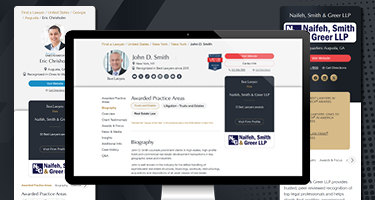
The importance of content extends to online directories—important platforms for law firms to be seen. Inclusion in a respected legal directory can expand your digital footprint and backlink profile, supporting a broader SEO strategy. Providing comprehensive, engaging and accurate content within these directories can increase your visibility to both search engines and prospective clients.
Directory profiles can also strengthen a firm's broader digital presence, as AI-assisted tools draw information from sources beyond a firm's own website. Third-party validation matters in AI search, making accurate information across reputable legal directories and other credible sources increasingly relevant to how a lawyer or firm may be understood online.
Well-maintained directory listings can also convey professionalism and reliability.

Driving Engagement and Conversion
Quality content isn't just about being read—it's about helping readers determine what to do next. Your law firm's website content should be informative and useful, guiding prospective clients toward appropriate next steps such as contact forms, free case evaluations or newsletter sign-ups.
By blending helpful information with subtle calls to action embedded in your content, your website can provide readers with clear pathways to engage further with your firm.
Local SEO Equals Local Clients
Content, for law firms, often serves local or regional client bases. For this reason, tailoring it to the local market can support local SEO and help community members find relevant information about your firm.
Articles and pages highlighting the regions you serve, legal matters relevant to the community and your involvement in local issues can provide useful geographic context for search engines and prospective clients looking for legal services in a particular area.
Staying Competitive
Lawyers and legal marketers must recognize that content is also a factor in staying competitive. Unique and compelling content can help distinguish your firm in a field where many firms compete for visibility. By investing time and effort into developing clear, actionable and insightful content, firms can provide prospective clients with useful information while demonstrating their knowledge and perspective.
Staying Compliant and Ethical
For legal professionals, content marketing also entails carefully navigating ethical boundaries. (In fact, ethics and bar association compliance are something we take very seriously here at Best Lawyers.) Ensuring all published material complies with relevant bar association regulations and advertising laws is crucial.
Content created with integrity can support a firm's digital presence while reflecting the high ethical standards of your practice.
The Takeaway
Content remains an important part of a law firm's SEO strategy. Well-crafted content can educate, engage and demonstrate knowledge while supporting a firm's visibility across traditional and evolving search experiences.
By proactively managing and producing quality content, law firms can provide useful information to prospective clients, support their reputation and maintain a strong digital presence. As the ways people search for legal information continue to evolve, clear, credible and well-structured content remains fundamental.
The Role of SEO in Driving Law Firm Growth
SEO can support modern law firm growth by providing a foundation for digital visibility and helping prospective clients discover relevant information about a firm. By focusing on strategies like local SEO, content optimization and backlinks, law firms can strengthen their digital presence and make useful information easier to find.
Building a strong SEO strategy starts with the basics. Optimizing your legal directory profiles can help strengthen your firm's online presence and keep important professional information accurate and accessible. Download our free checklist to get started today.