
Insight

Patent (Win) Pending

In every court proceeding, patent litigation included, there will be a winner and a loser. Everyone wants to win, but half lose. Why?

Lawyer in a court wearing a black suit jacket making a statement
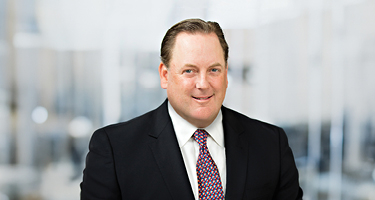
Morgan Chu

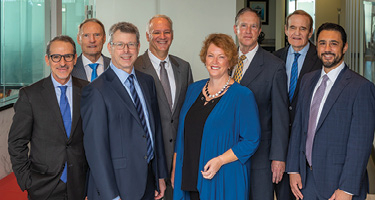
Morgan Chu and Rebecca Carson

December 19, 2019 08:00 AM

Lawyers, understandably, want to win everything in patent litigation, or any litigation: every discovery dispute, every tit-for-tat argument. Most of these battles are of little moment.

You need, instead, to focus. Which issues—one, two, or three of the most crucial factors, say—will make you a winner? If your client is the plaintiff, choose your best patent claims. Eliminate those that are mediocre or even good; you’re looking for the best on offer. For a defendant, select the best several defenses. You might not be able to identify them at the outset, of course, but don’t use that as an excuse to maintain 37 different defenses up to trial.

In one David-and-Goliath case in which we represented the plaintiff (the underdog), we chose just one patent to assert, bypassing many other patents and a veritable chariot-load of non-patent claims. Remember the key to David’s success: one stone in a simple slingshot, aimed with precision.

Some defendants want to rely on many prior-art references, or many combinations of prior art, to show that a patent claim is “obvious.” Instead, they end up proving to a jury’s satisfaction that the claim is not obvious because they needed so many pieces of prior art. Pour your energy into only the best patent claims or the best defenses. Eschew all others.

Recognize Your Weaknesses

Lawyers love Kool-Aid—the kind they mix themselves, at any rate. It’s never good to drink your own, though. Spend more time understanding and appreciating the strength of the other side’s arguments.

People used to be better at this. It relies on a crucial skill called “listening.” Things have changed over the last decade or so, though: People no longer care to listen to different points of view, in politics or anything else. Attorneys have contracted this malady no less severely than others. Yet good lawyers will recognize their own case’s weaknesses, both component by component and in toto.

In one battle between two corporations of decent size, we represented the defendant. Our defenses were so poor that it was easy to regard this as a “damages” case for the plaintiff. As the trial unfolded, though, it appeared that the plaintiff didn’t recognize one potential weakness. Its witnesses hadn’t been prepared for it. Surprised, we changed our trial theme to focus on this particular weakness. Did it work? We wouldn’t be sharing this story if it hadn’t.

Consider the cross-examination of an expert witness. The witness is just that: the expert. That’s a problem for the lawyer. Don’t think you’ll easily pummel the expert into submission and win the case on your cross. Instead, assume the witness is his profession’s equivalent of Muhammad Ali. Wait until he’s dancing around the ring with his back to you, then jump through the ropes, give him two quick kidney punches and then jump back out. Congratulations: You’ve recognized your own weaknesses (and his strengths), and it earned you a couple points you might not otherwise have gotten.

Be Credible

That’s easy advice. Actually being credible is hard. This is especially true for lawyers who must orchestrate the presentation of evidence across multiple witnesses.

Sometimes witnesses initially seem important, but after a lot of work, you don’t think they’ll be credible. They think they are, of course—they consider themselves important, too—but they’re more likely to come across as literally in-credible. Cut them from your witness list.

Most lawyers want to try to control situations, naturally, and as a result they want to give a witness a script and tell him or her exactly what to say and how to say it. Resist this urge. While it’s important to pick the right witnesses on the right topics to support your trial themes, allow them to tell their stories in their own words. It requires a lot more time and effort, but permitting witnesses to be themselves will result in a much more authentic presentation.

Patent cases often come down to credibility battles between two technical experts. One says the patent is infringed; the other disagrees. Both have great credentials and technical chops. Who wins the jury verdict? The side with the more credible expert, of course.

Now the tough part: How can you help boost your expert’s credibility? Encourage him to be more modest, even humble, and admit weaknesses. Most importantly, make him into a teacher. Ninety-nine percent of people can remember a teacher they loved.

Regardless of how right you are on the facts and the law, no one will side with you unless you have a good story to tell.

Tell a Good Story

Patent cases often encompass dry, highly technical subjects. As such, lawyers can get lost in the weeds and forget about the need for a simple, compelling narrative that ties everything together. This is a critical mistake: Regardless of how right you are on the facts and the law, no one will side with you unless you have a good story to tell.

A good story requires more than simply stating the facts chronologically. You have to provide the jury with a narrative that evokes an emotional response and makes them connect with your client’s story on a human level. Come up with personal anecdotes that your witnesses can tell to help them connect with the jury while advancing your case themes.

In one case, we took over the representation of a medical-device defendant that had been found liable for infringement at a previous trial and was set to go to trial anew on the issue of damages and willfulness. The opposing side thought it would be enough to label us “bad guys” and ask for lots of money. But we responded with a compelling narrative told by longtime employees about how our client’s own innovations and devotion to superior patient care were the real reason for its success, not the plaintiff’s patented technology. The story was authentic; the jury found no willfulness and awarded minimal damages.

Focus. Recognize your weaknesses. Make your key expert into a kindly teacher. And tell a good story. Now have fun winning!

----------------

Morgan Chu heads Irell & Manella’s litigation practice. He has served as lead trial counsel in some of the world’s most significant verdicts, judgments, and settlements, resulting in actual payments exceeding $5 billion. He earned his J.D. from Harvard Law School, his M.S.L. from Yale University, and his B.A., M.A. and Ph.D. from University of California, Los Angeles.

Rebecca Carson, a partner at Irell & Manella, represents clients in complex commercial litigation and has significant trial experience, including recent trials in federal court and at the ITC. Her most recent patent trial victory was included among the Daily Journal’s Top Defense Verdicts of 2018. She earned her J.D. at University of Virginia School of Law and her B.A. at University of San Diego.

Photo: ISTOCK.COM/RICHLEGG
Related Articles

UnitedHealth's Twin Legal Storms


by Bryan Driscoll

ERISA failures and shareholder fallout in the wake of a CEO’s death.

United healthcare legal storm ceo murder headline

Supreme Court Opens New Door for Personal Injury Claims Under RICO


by Bryan Driscoll

The litigation landscape is rapidly shifting

Personal injury RICO claims marijuana hed

The Litigation Finance Mass Tort Gold Rush


by Justin Smulison

Third-party litigation funding is transforming mass torts, propelling the high-risk area into a multi-billion-dollar industry

Gold coins with data chart backdrop

IN PARTNERSHIP

Trial Lawyers Fight to Protect Individuals from Abuse


by Esquire Bank

With Esquire Bank's financial support, Elise Sanguinetti was able to challenge and end the Forced Arbitration Act. Her legislation continues to help other trial lawyers attain justice for abuse survivors.

Trial attorney, Elise R. Sanguinetti shapes laws such as the Ending Forced Arbitration Act

Combating Nuclear Verdicts: Empirically Supported Strategies to Deflate the Effects of Anchoring Bias


by Sloan L. Abernathy

Sometimes a verdict can be the difference between amicability and nuclear level developments. But what is anchoring bias and how can strategy combat this?

Lawyer speaking in courtroom with crowd and judge in the foreground

Protecting Small Business Owners: Trial Experts Connick Law LLC Notoriously Successful with Fire Litigation


by Justin Smulison

When small business owners become the target of insurance companies in fire-related lawsuits, hiring a firm with a reputation for understanding the science of fire suppression trials can save their livelihoods.

Gold Indoor Sprinkler Heads on Red Background

Will Recent Boeing Settlements Create Tailwinds In Corporate Law?


by Justin Smulison

Prominent litigation against Boeing is setting a precedent of accountability, professionalism and commitment among company boards as well as ushering ESG further into the courtroom to help monitor and prevent safety issues.

Boeing plane tilts upright overlayed a group of people in the control room

Colorado's Best Lawyers 2022


by Best Lawyers

Our 2022 Colorado's Best Lawyers publication features top-ranked legal talent in Boulder, Denver and Western Colorado.

Colorado's Best Lawyers 2022 Cover photo

Look for the Zoom Label


by Anne R. Yuengert and Matthew C. Lonergan

Will the virtual platforms that got such a boost during the pandemic replace how you interact with your employees, unions, and lawyers?

COVID-19 Zoom trial call

Busting a Trust


by Joseph Marrs

The rules governing trusts and asset distribution are often much more flexible than many might assume. Here’s a primer.

Attorney looking over trust and estate papers

The Next Chapter


by Patrick M. Shelby

Among its uncountable other disruptions, the pandemic upended U.S. bankruptcy procedures. Congressional relief, legislative changes, amended legal provisions: What lies ahead for those looking to file?

Economic technology lines Infront of a black screen

Phoning It In


by Crystal S. Wildeman, Ashley C. Pack and Alyson M. St. Pierre

It’s not easy for employers to weigh requests from employees to work from afar, even in the wake of the pandemic. Considerations include COVID-19, vaccinations, the Americans with Disabilities Act and the nature of the job itself.

Remote worker stretches in the morning

Compelled to Compete


by Ashish Mahendru

Courts and legislatures—and now the White House—are taking an increasingly dim view of noncompete employment agreements, a development the pandemic has quickened. What can employers do to protect their confidential information?

A silhouette of a man thinking with another man walking up the steps

Meeting Halfway


by Julia B. Meister

To resolve family and business disputes including wills, trusts, estates and more, mediation is often a more effective, gentler and cheaper option than litigation.

Two women sit down to discuss mediation

IN PARTNERSHIP

Look Out Below


by Mary Jo Larson

Employee 401(k) and other pension plans that include company stock can be a financial minefield. What’s a responsible fiduciary to do to lessen the risk of a plummeting share price—and the risk of a subsequent “stock-drop” lawsuit from aggrieved workers?

People walking in a building with multiple different train numbers

Family Law – Sometimes All in the Family


by Justin Smulison

Led by a father-and-son team of Family Law lawyers and trial advocates, with the support and assistance of family members, Blevans & Blevans, LLP continues its tradition of excellence serving the Northern California Bay Area in 2020 and beyond.

Robert and Brandon Blevans recognized by The Best Lawyers of America© for family law

Trending Articles

2026 Best Lawyers Awards: Recognizing Legal Talent Across the United States


by Jamilla Tabbara

The 2026 editions highlight the top 5% of U.S. attorneys, showcase emerging practice areas and reveal trends shaping the nation’s legal profession.

Map of the United States represented in The Best Lawyers in America 2026 awards

Gun Rights for Convicted Felons? The DOJ Says It's Time.


by Bryan Driscoll

It's more than an administrative reopening of a long-dormant issue; it's a test of how the law reconciles the right to bear arms with protecting the public.

Firearms application behind jail bars

2026 Best Lawyers Awards in Canada: Marking 20 Years of Excellence


by Jamilla Tabbara

Honoring Canada’s most respected lawyers and spotlighting the next generation shaping the future of law.

Shining Canadian map marking the 2026 Best Lawyers awards coverage

Revealing the 2026 Best Lawyers Awards in Germany, France, Switzerland and Austria


by Jamilla Tabbara

These honors underscore the reach of the Best Lawyers network and its focus on top legal talent.

map of Germany, France, Switzerland and Austria

Best Lawyers 2026: Discover the Honorees in Brazil, Mexico, Portugal, South Africa and Spain


by Jamilla Tabbara

A growing international network of recognized legal professionals.

Map highlighting the 2026 Best Lawyers honorees across Brazil, Mexico, Portugal, South Africa and Sp

How to Sue for Defamation: Costs, Process and What to Expect


by Bryan Driscoll

Learn the legal standards, costs and steps involved when you sue for defamation, including the difference between libel and slander.

Group of people holding papers with speech bubbles above them

Build Your Legal Practice with Effective Online Networking


by Jamilla Tabbara

How thoughtful online networking supports sustained legal practice growth.

Abstract web of connected figures symbolizing online networking among legal professionals

Algorithmic Exclusion


by Bryan Driscoll

The Workday lawsuit and the future of AI in hiring.

Workday Lawsuit and the Future of AI in Hiring headline

Blogging for Law Firms: Turning Content into Client Connections


by Jamilla Tabbara

How law firms use blogs to earn trust and win clients.

Lawyer typing blog content on laptop in office

Reddit’s Lawsuit Could Change How Much AI Knows About You


by Justin Smulison

Big AI is battling for its future—your data’s at stake.

Reddit Anthropic Lawsuit headline

How to Choose a Good Lawyer: Tips, Traits and Questions to Ask


by Laurie Villanueva

A Practical Guide for Your First-Time Hiring a Lawyer

Three professional lawyers walking together and discussing work

The 2026 Best Lawyers Awards in Chile, Colombia and Puerto Rico


by Jamilla Tabbara

The region’s most highly regarded lawyers.

Map highlighting Chile, Colombia and Puerto Rico for the 2026 Best Lawyers Awards

Common-Law Marriage in Indiana: Are You Legally Protected?


by Laurie Villanueva

Understanding cohabitation rights and common-law marriage recognition in Indiana.

Married Indiana couple in their home

Why Jack Dorsey and Elon Musk Want to 'Delete All IP Law'


by Bryan Driscoll

This Isn’t Just a Debate Over How to Pay Creators. It’s a Direct Challenge to Legal Infrastructure.

Elon Musk and Jack Dorsey standing together Infront of the X logo

AI Tools for Lawyers: How Smithy AI Solves Key Challenges


by Jamilla Tabbara

Understand the features and benefits within the Best Lawyers Digital Marketing Platform.

Legal professional editing profile content with Smithy AI

Alimony Explained: Who Qualifies, How It Works and What to Expect


by Bryan Driscoll

A practical guide to understanding alimony, from eligibility to enforcement, for anyone navigating divorce

two figures standing on stacks of coins