Insight

IN PARTNERSHIP

What is The Grieving Families Act (2022)?

Best Lawyers honoree Michael Taub explains The Grieving Families Act and what it means for wrongful death and malpractice cases in New York.

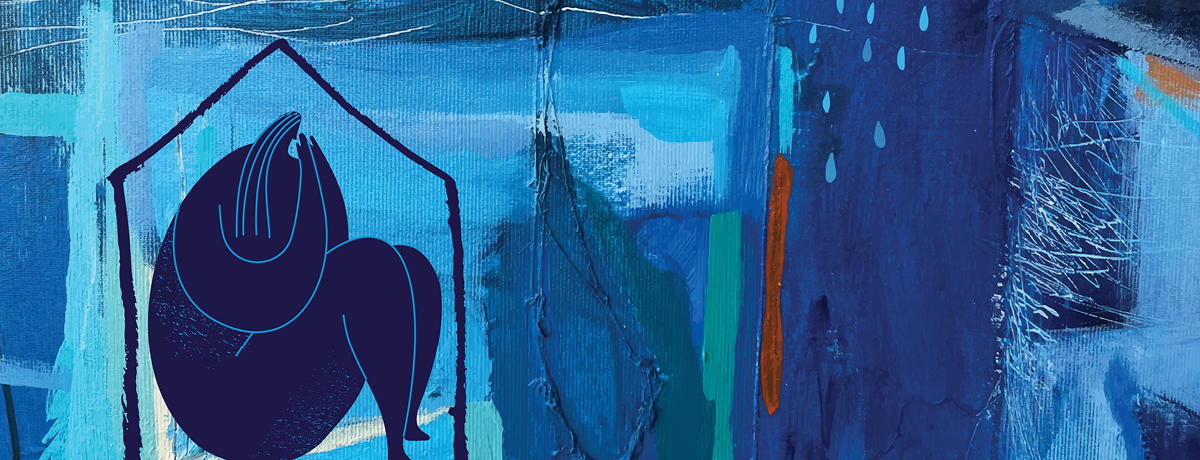
Image of grieving person on blue background
MT

Michael L. Taub

December 9, 2022 02:00 PM

A not infrequent occurrence in a New York personal injury law firm is to hear from a potential client who calls following the accidental death of a loved one. It might result from a horrific motor vehicle accident, medical malpractice or an accident caused by a defective product. Sometimes the victim—the Decedent—will be a parent who was employed and supporting a family or providing childcare to young children. But in other cases, the Decedent will be a long-retired elderly parent who was predeceased by their spouse and is no longer supporting anyone. And at some point, most attorneys will receive a call from a parent who has lost a young child in an accident.

All of these cases are awful, especially the ones involving the child. And yet, the damages which might result from each of these scenarios is markedly different. Under current New York law, damages for wrongful death are limited to a survivor’s pecuniary—monetary—loss as a result of their loved one’s death. That means that the amount of recovery will depend upon the financial loss caused by the death.

So, stop and think about it. What is the financial loss caused by a 30-year-old parent supporting a spouse and two children under the age of five? What is the financial loss caused by an 82-year-old parent who is not relied upon for financial support? And what is the financial loss caused by a three-year-old child killed in a car accident?

The sad truth is that the New York Wrongful Death statute does not allow damages for the potentially enormous emotional loss suffered by the survivors. That’s why the wrongful death of a young child—however horrific in nature—is worth relatively little in terms of financial damages. If it’s not awful enough to sit across from a devastated parent telling you how their child died, it’s even worse when you explain the limitations of the New York law on wrongful death damages.

But there is hope. During the 2022 legislative session, the New York State Legislature passed the Grieving Families Act. This statute amends the antiquated New York Wrongful Death law in several ways. First, it nearly doubles the time limit to file a Wrongful Death lawsuit. Currently that time limit is two years, but the Grieving Families Act extends the limit to three years and six months.

More importantly, the Grieving Families Act permits damages for the family’s emotional loss, and it greatly expands the definition of “family.” The current statute permits damages to be awarded to those who would be entitled to a distribution if the decedent dies without a will. That entails a line of succession, starting with a surviving spouse, and then children, parents, etc. The Act modernizes the definition of a family, such that “close family members” would be eligible to receive damages. Not only a spouse, but also a domestic partner, a parent and a stepparent would be eligible. In fact, the law would permit a jury to determine the definition of “close family members” based upon the specific circumstances relating to that person’s relationship with the deceased.

The current New York Wrongful Death statute leads to some awful anomalies. Since a young child does not support anyone, that child’s death would not result in a particularly high verdict or settlement. If, however, that child was to suffer a serious fracture which requires multiple surgeries with a lengthy recovery and future medical bills, that case could result in a seven-figure settlement or verdict. If a vehicle strikes and kills a widowed 85-year-old retired grandmother who lives alone and no longer supports anyone, the case really isn’t worth much—even though it will invariably cause anguish to her surviving children and grandchildren. But if that same 85-year-old grandmother suffers disabling injuries which require extensive medical treatment and confinement to a rehabilitation facility, the case will be worth much more.

So, while we are not suggesting that anyone would have this intent, yes, in New York at least, a defendant or insurance carrier might well be better off financially if a child or elderly person dies instead of suffers major injuries. Call it the law of unintended consequences, but it doesn’t alter the law’s effect.

Other examples abound. If 70-year-old never married, childless twin sisters reside together, and rely upon each other emotionally, the death of one of them as a result of nursing home malfeasance will leave the survivor with little means of recovery. The death of an older sibling will no doubt leave a younger child who looked up to that older brother or sister with permanent emotional scars. The law does not provide a remedy in that instance, since the older sibling did not financially support the younger child.

The law of torts is based upon accountability; in theory, the ability of an injured party to recover damages for a loss helps to keep wrongdoers accountable for a negligent act. So while we may want to get home earlier, one of the things that discourages us from driving too fast on the highway is the possibility of causing serious injury to other drivers. The current New York Wrongful Death statute is a law behind the times.

The New York Grieving Families Act was passed to address these issues. The Act awaits the signature of the Governor. It’s time to correct a terribly outdated situation. The law should be signed and signed now.


Michael L. Taub is a partner with The Platta Law Firm, PLLC, in New York City. He has been a member of the New York Bar, and a practicing attorney for 38 years.


Headline Image: iStock/DrAfter123

Related Articles

One of NY’s Top Personal Injury Lawyers on 2 Surprising Trends Transforming the Industry


by Gregory Sirico

Lawyer Jeff Korek talks emerging personal injury law trends in IVF litigation and trial scarcity.

Doctor consoles couple in medical office

The Push and Pitfalls of New York’s Attempt to Expand Wrongful Death Recovery


by V. Christopher Potenza and Elizabeth M. Midgley

The New York State Legislature recently went about updating certain wrongful death provisions and how they can be carried out in the future. Here's the latest.

Red tape blocking off a section of street

IN PARTNERSHIP

Easton & Easton: Let Our Family Help Yours


by Justin Smulison

For more than 50 years, Easton & Easton have continued to be the go-to trial law firm for injury and wrongful death claims in Southern California in 2023.

Group of lawyers pose at table with globe in forefront

IN PARTNERSHIP

When the Result Means Everything


by Lyons & Simmons

Michael Lyons and Christopher Simmons, Texas-based trial attorneys and founders of the firm Lyons & Simmons, are dedicated to finding justice for their clients.

Two suited lawyers walk side by side while talking

IN PARTNERSHIP

A Street Fight in the Bronx


by Adam Leitman Bailey

Adam Leitman Bailey’s firm helped settle a Bronx brawl over land between two parties and brought victory against a long-standing powerful family in New York.

Warehouse in New York at night

The Tragic Limitations of New York’s Outdated Wrongful Death Law


by David Scher

New York might be a progressive state in many respects, but its wrongful death law is itself a regressive tragedy—essentially the same statute first passed in the mid-1800s—that prolongs and deepens grieving families’ suffering. This must change.

Grieving person sitting on park bench in front of ocean and storm

IN PARTNERSHIP

Heroes Among Men: How Adam Leitman Bailey, P.C. Saved Lives of the Lifesaving


by Rebecca Blackwell

Unsafe construction threatened a New York 911 Center and Fortune 500 company until Adam Leitman Bailey, P.C. forced a halt.

Danger construction site no trespassing sign on fence

IN PARTNERSHIP

Adam Leitman Bailey Saves Upper East Cooperative From Forced NYU Combination With Neighboring University Building


by Rebecca Blackwell

When a New York resident of an iconic building was faced with a potentially devastating renovation to his beloved home, powerhouse real estate lawyer Adam Leitman Bailey tightened the knot on the loophole others said didn’t exist.

Large brownstone building with blue sky above in New York City

IN PARTNERSHIP

How To Run a Board Meeting


by Adam Leitman Bailey

Adam Leitman Bailey explains how using Robert's Rules of Order can assist with effective and productive board meetings in real estate matters.

Several people sitting in chairs around boardroom table

IN PARTNERSHIP

The Wolf Near Wall Street


by Rebecca Blackwell

When tensions among shared real estate owners reached their tipping point, Adam Leitman Bailey P.C. stepped in and solved a modern issue with an ancient remedy.

Mortgage documents on desk

Unenforceable HOA Rules: What Homeowners Can Do About Illegal HOA Actions


by Bryan Driscoll

Not every HOA rule is legal. Learn how to recognize and fight unenforceable HOA rules that overstep the law.

Wooden model houses connected together representing homeowners associations

What Is the Difference Between a Will and a Living Trust?


by Bryan Driscoll

A practical guide to wills, living trusts and how to choose the right plan for your estate.

Organized folders labeled “Wills” and “Trusts” representing estate planning documents

Do You Need a Real Estate Attorney to Refinance?


by Bryan Driscoll

When and why to hire a real estate attorney for refinancing.

A couple sitting with a real estate attorney reviewing documents for refinancing their mortgage

How to Get a Power of Attorney


by Bryan Driscoll

Learn the steps to set up a power of attorney, the risks of DIY forms and how to choose the right person to act on your behalf.

A couple discussing power of attorney paperwork with a lawyer

IN PARTNERSHIP

Breaking Down Criminal Conviction in Canada


by Mass Tsang

Statistics Canada’s annual breakdown of adult criminal court data provides an eye-opening review of how the country’s court system resolves its hundreds of thousands of cases annually.

Silhouettes of Officer walking with two men on a strip of concert

IN PARTNERSHIP

Things to Consider When Choosing a Sexual Assault Lawyer in Ontario


by Igor Vilkhov

Choosing the right lawyer when faced with sexual assault charges is important. Here are a few things to consider.

Vilkhov Law attorney sits in the dark with a black and white filter

Trending Articles

2026 Best Lawyers Awards: Recognizing Legal Talent Across the United States


by Jamilla Tabbara

The 2026 editions highlight the top 5% of U.S. attorneys, showcase emerging practice areas and reveal trends shaping the nation’s legal profession.

Map of the United States represented in The Best Lawyers in America 2026 awards

Gun Rights for Convicted Felons? The DOJ Says It's Time.


by Bryan Driscoll

It's more than an administrative reopening of a long-dormant issue; it's a test of how the law reconciles the right to bear arms with protecting the public.

Firearms application behind jail bars

2026 Best Lawyers Awards in Canada: Marking 20 Years of Excellence


by Jamilla Tabbara

Honoring Canada’s most respected lawyers and spotlighting the next generation shaping the future of law.

Shining Canadian map marking the 2026 Best Lawyers awards coverage

Revealing the 2026 Best Lawyers Awards in Germany, France, Switzerland and Austria


by Jamilla Tabbara

These honors underscore the reach of the Best Lawyers network and its focus on top legal talent.

map of Germany, France, Switzerland and Austria

Best Lawyers 2026: Discover the Honorees in Brazil, Mexico, Portugal, South Africa and Spain


by Jamilla Tabbara

A growing international network of recognized legal professionals.

Map highlighting the 2026 Best Lawyers honorees across Brazil, Mexico, Portugal, South Africa and Sp

How to Sue for Defamation: Costs, Process and What to Expect


by Bryan Driscoll

Learn the legal standards, costs and steps involved when you sue for defamation, including the difference between libel and slander.

Group of people holding papers with speech bubbles above them

Build Your Legal Practice with Effective Online Networking


by Jamilla Tabbara

How thoughtful online networking supports sustained legal practice growth.

Abstract web of connected figures symbolizing online networking among legal professionals

Algorithmic Exclusion


by Bryan Driscoll

The Workday lawsuit and the future of AI in hiring.

Workday Lawsuit and the Future of AI in Hiring headline

Blogging for Law Firms: Turning Content into Client Connections


by Jamilla Tabbara

How law firms use blogs to earn trust and win clients.

Lawyer typing blog content on laptop in office

Reddit’s Lawsuit Could Change How Much AI Knows About You


by Justin Smulison

Big AI is battling for its future—your data’s at stake.

Reddit Anthropic Lawsuit headline

How to Choose a Good Lawyer: Tips, Traits and Questions to Ask


by Laurie Villanueva

A Practical Guide for Your First-Time Hiring a Lawyer

Three professional lawyers walking together and discussing work

The 2026 Best Lawyers Awards in Chile, Colombia and Puerto Rico


by Jamilla Tabbara

The region’s most highly regarded lawyers.

Map highlighting Chile, Colombia and Puerto Rico for the 2026 Best Lawyers Awards

Common-Law Marriage in Indiana: Are You Legally Protected?


by Laurie Villanueva

Understanding cohabitation rights and common-law marriage recognition in Indiana.

Married Indiana couple in their home

Why Jack Dorsey and Elon Musk Want to 'Delete All IP Law'


by Bryan Driscoll

This Isn’t Just a Debate Over How to Pay Creators. It’s a Direct Challenge to Legal Infrastructure.

Elon Musk and Jack Dorsey standing together Infront of the X logo

AI Tools for Lawyers: How Smithy AI Solves Key Challenges


by Jamilla Tabbara

Understand the features and benefits within the Best Lawyers Digital Marketing Platform.

Legal professional editing profile content with Smithy AI

Alimony Explained: Who Qualifies, How It Works and What to Expect


by Bryan Driscoll

A practical guide to understanding alimony, from eligibility to enforcement, for anyone navigating divorce

two figures standing on stacks of coins