A recent report published in the UC Irvine Law Review investigates the cost to taxpayers when law enforcement denies or delays arrestees their right to an attorney. The report, which focuses on Chicago and Cook County, Illinois, estimates that Cook County could save between $12.7 and $49.9 million annually if people have legal representation within the first 24 hours of their arrest.
The report comes as Illinois is experiencing a massive and growing budget deficit.
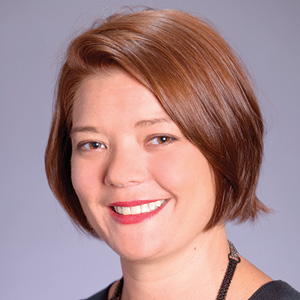
The first 24 to 48 hours after an arrest is critical, according to Eliza Solowiej, the report’s co-author and executive director of First Defense Legal Aid (FDLA), a Chicago non-profit that provides free legal representation to people in Chicago Police Department custody. During those first 48 hours, police and prosecutors are gathering evidence to determine whether they have enough to charge their suspect.
"Having an attorney present makes a big difference for people in custody.” - Eliza Solowiej, executive director of First Defense Legal Aid
“Having an attorney present makes a big difference for people in custody,” said Solowiej. According to the report, having access to defense counsel early on significantly reduces the numbers of pretrial days behind bars, thus, also reducing the cost of incarceration. The report also finds that the probability of conviction declines by 26.7 percent for those who had legal representation within the first 24 hours of arrest.
Despite the unique and vulnerable position arrestees face during those first 24 to 48 hours, most of them do not have legal representation while in custody. In 2013, less than one percent of arrestees in Chicago had a defense lawyer at the police station.
The Fifth Amendment gives people the right to an attorney during a custodial interrogation. This is also known as one of the Miranda rights. Solowiej, however, describes the right to counsel as abstract and intangible. “In Chicago, no one is allowed to make a phone call until the end of the process—that can take as long as 72 hours after their arrest.” Without timely access to a phone, people are not given the means to access their constitutional right to counsel.
In Cook County, assistant public defenders are not available for arrestees until their bond hearing, when criminal charges have already been filed. Conversely, Cook County assistant state’s attorneys are on call for 24 hours to approve charges based on police reports and on-site interviews with suspects.
In 1995, FDLA was created in response to the unmet needs of individuals in police custody. FDLA maintains a 24-hour hotline, where Chicago residents can be connected with an attorney over the phone. In cases of arrest, FDLA sends attorneys to the police station where the individual is being held.
FDLA, however, does not have enough staff and volunteers to provide every arrested individual in Chicago with an attorney. Solowiej proposes that the Public Defender’s Office creates a 24-hour unit to represent custodial suspects on an emergency basis. According to Solowiej, some states are already doing this.
FDLA also wants police stations to have signs visibly posted with the phone numbers and contact information of legal aid offices, so that people in custody know where they can find an attorney. FDLA has been in discussions with Mayor Rahm Emanuel and the Chicago Police Department on the matter.
• This article was originally published on the Ms. JD Blog and is reprinted here with permission.
The report comes as Illinois is experiencing a massive and growing budget deficit.
The first 24 to 48 hours after an arrest is critical, according to Eliza Solowiej, the report’s co-author and executive director of First Defense Legal Aid (FDLA), a Chicago non-profit that provides free legal representation to people in Chicago Police Department custody. During those first 48 hours, police and prosecutors are gathering evidence to determine whether they have enough to charge their suspect.
"Having an attorney present makes a big difference for people in custody.” - Eliza Solowiej, executive director of First Defense Legal Aid
“Having an attorney present makes a big difference for people in custody,” said Solowiej. According to the report, having access to defense counsel early on significantly reduces the numbers of pretrial days behind bars, thus, also reducing the cost of incarceration. The report also finds that the probability of conviction declines by 26.7 percent for those who had legal representation within the first 24 hours of arrest.
Despite the unique and vulnerable position arrestees face during those first 24 to 48 hours, most of them do not have legal representation while in custody. In 2013, less than one percent of arrestees in Chicago had a defense lawyer at the police station.
The Fifth Amendment gives people the right to an attorney during a custodial interrogation. This is also known as one of the Miranda rights. Solowiej, however, describes the right to counsel as abstract and intangible. “In Chicago, no one is allowed to make a phone call until the end of the process—that can take as long as 72 hours after their arrest.” Without timely access to a phone, people are not given the means to access their constitutional right to counsel.
In Cook County, assistant public defenders are not available for arrestees until their bond hearing, when criminal charges have already been filed. Conversely, Cook County assistant state’s attorneys are on call for 24 hours to approve charges based on police reports and on-site interviews with suspects.
In 1995, FDLA was created in response to the unmet needs of individuals in police custody. FDLA maintains a 24-hour hotline, where Chicago residents can be connected with an attorney over the phone. In cases of arrest, FDLA sends attorneys to the police station where the individual is being held.
FDLA, however, does not have enough staff and volunteers to provide every arrested individual in Chicago with an attorney. Solowiej proposes that the Public Defender’s Office creates a 24-hour unit to represent custodial suspects on an emergency basis. According to Solowiej, some states are already doing this.
FDLA also wants police stations to have signs visibly posted with the phone numbers and contact information of legal aid offices, so that people in custody know where they can find an attorney. FDLA has been in discussions with Mayor Rahm Emanuel and the Chicago Police Department on the matter.
• This article was originally published on the Ms. JD Blog and is reprinted here with permission.
Learn More About: