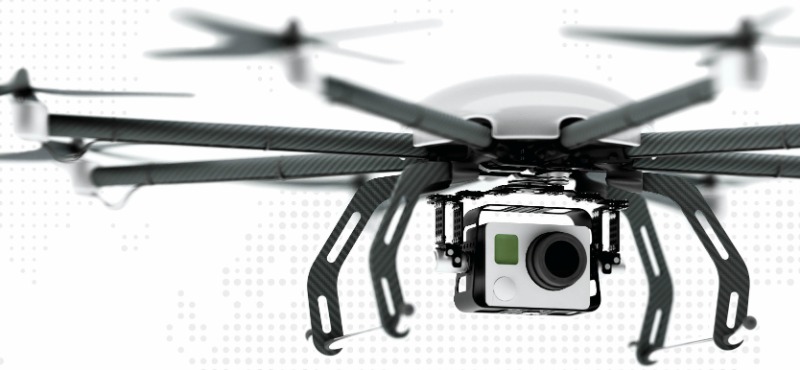
Unmanned aerial vehicles (UAVs), commonly known as drones, have the potential to reshape commerce in ways that have not been seen since the early days of the Internet. Unsurprisingly, this potential is likely to draw interest from companies that have little to no experience with aviation or drones into the market by manufacturing drones, their components, or the software that they use. Counsel for these companies are likely to be asked about the legal implications of using drones, including product liability, privacy, intellectual property, and other legal issues. Also, the issues are not limited to drones—many of the issues apply to autonomous land and water vehicles as well.
Product Liability
Making a product safer is the best way to reduce product liability risks. During product development, companies that manufacture UAVs should develop a comprehensive safety program in which engineers think critically about the ways the product could cause harm and how to redesign the product to reduce or eliminate that harm. If a design can do that, a company should make the change, if possible. If it is impractical to do so, the company should document the reasons why.
There are some products and product features that can’t be made safer through design changes.
For those products, there are a number of ways to reduce risk. These can include:
- Providing warnings that identify the risk and explain how to avoid it;
- Obtaining product liability insurance;
- Identifying and following relevant industry standards;
- Obtaining contractual indemnification from suppliers and distributors; and
- Including contractual limitations of liability for losses other than personal injury.
FAA Compliance
The Federal Aviation Administration (FAA) has issued new regulations directed specifically to small UAVs (those weighing less than 55 pounds). The regulations establish operational limitations for the commercial use of UAVs and create requirements related to registration and pilot qualifications, among other things. For manufacturers, understanding the FAA regulations is critical to ensuring that products can be used in a lawful manner. For operators, compliance with FAA regulations is required to keep commercial activities aloft.
Privacy
Drones that collect data linked to particular people (e.g., videos, photographs, addresses, email addresses) can create privacy issues. The Federal Trade Commission (FTC) regulates false claims related to privacy as part of its mandate to regulate unfair and deceptive business practices.
A privacy policy mitigates the risk of FTC enforcement action by ensuring that consumers have accurate information about (1) the purpose of data collection; (2) the types of data collected; (3) data retention and de-identification policies; (4) whether you intend to share the data with third parties and, if so, examples of those entities; and (5) the process for submitting privacy complaints, concerns, and questions.
Intellectual Property
As a result of the recent explosion in the popularity of drones, the intellectual property landscape is in a state of flux, particularly in the area of patents. Drone manufacturers are likely to encounter two separate patent issues: how to patent their own products and whether they can sell their products in light of another company’s patent.
Companies attempting to patent their products should know that they can patent technology that is not obvious and that qualifies as patentable subject matter. This includes hardware or software a company creates that did not exist previously, but also includes non-obvious combinations of off-the-shelf technology and associated customizations. Be aware that the United States is a “first to file” jurisdiction, so in the fast-moving UAV technology space, companies should plan to file patent applications sooner rather than later.
If a company realizes that the product it plans to sell is covered by another company’s patent, it has three options: seek a license from the patent holder, attack the enforceability of the patent, or “design around” the patent. Enforceability can be attacked on several grounds, including obviousness (the patented technology was an obvious, non-innovative extension of existing technology) and subject matter (technology that was patentable when a patent was issued may not still be patentable). Designing around another company’s patents can have a double benefit of avoiding liability, and for innovative designs, creating new intellectual property that adds to the company’s value and power in the marketplace.
The legal landscape in this area is rapidly changing, so businesses entering the UAV space should look to experienced legal counsel and professionals to help them understand the issues.