Insight

Global Perspectives

Through reviewing other countries’ past handling of natural disasters, we find lessons in the current supply chain crisis and how we might contend with similar issues in the present and future.

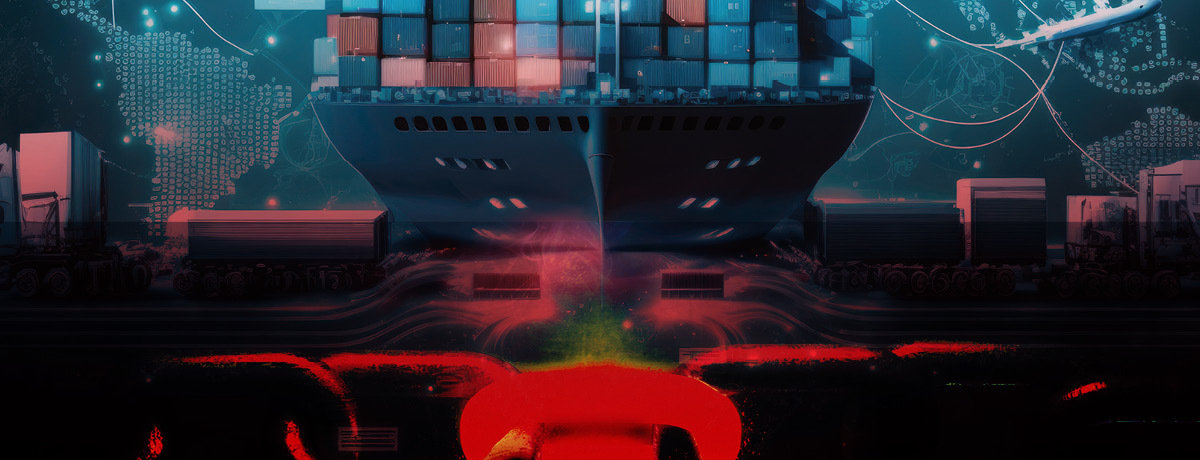
Cargo ship with red chain link in front
GS

Gregory Sirico

September 28, 2023 11:00 PM

Natural disasters, whether earthquakes, tornados, hurricanes or wildfires, can disrupt world economies, leave entire communities in ruins and truly test the resilience of business entities worldwide. While the United States has maintained a storied track record of responding to and recovering from such events quickly, there are plenty of lessons to be learned from the experiences of other countries, primarily when referring to corporate response, relief and overall supply chain management.

In the everchanging and wholly interconnected global economy of these modern times, where supply chain networks can easily stretch across entire continents with the help of technology, working to better understand and adapt using the strategies of other nations throughout history can prove invaluable in alleviating, or even avoiding, the impacts and potential risks posed by natural disasters.

Natural Disasters and Supply Chain Management

In recent years, as natural disasters' overall frequency and environmental intensity continue to increase, global supply chains must constantly traverse newly exposed vulnerabilities, prompting corporations and smaller entities to rework their business strategies to respond adequately. For example, in 2011, Japan and other surrounding nations were heavily impacted by the Tohoku earthquake, which later gave way to tsunamis. Located in a highly active seismic region of the world, Japan had to develop a well-tailored and extremely robust natural disaster response plan that meshed appropriately with its ongoing corporate supply chain system.

Following the devastating events of Tohoku, companies with all corporate operations based in Japan, namely Honda, Toyota, Nissan and Fuji Heavy Industries, had to thoroughly reassess their previous methods for materials sourcing, product manufacturing and global distribution. In this specific case, the main takeaway is that, at its core, a resilient supply chain requires overall repetition, a diversification of domestic and international suppliers and a concise contingency plan in the event of an impending natural disaster.

Resilience and Diversification

One massively vital lesson to be learned from Japan's experience in 2011 is the importance of redundancy when managing a multifaceted supply chain system. Since then, most, if not all, Japanese corporations have realized that relying too heavily or exclusively on a singular supplier can be a risky business strategy, especially in the wake of a natural disaster that can disrupt production and distribution processes. For instance, Toyota, the globally recognizable and multinational vehicle manufacturer, stands out as the most prominent example of an entity that learned this specific lesson after the Tohoku disaster. Since then, Toyota has recovered by working to further diversify its batch of available suppliers, building a network of redundancies into its supply chain in order to ensure continuity and stable operations if one supplier is affected.

Working to better understand and adapt using the strategies of other nations throughout history can prove invaluable in alleviating, or even avoiding, the impacts and potential risks posed by natural disasters."

Blazing Borders

Beginning in March 2023 and growing increasingly more intense by June, a record-setting series of wildfires impacted all 13 provinces and territories of Canada. Although the lasting effects on Canadian communities and ecosystems remain evident, a lesser-known ripple effect has been expanding in the U.S.

With the deterioration of overall air quality and lush landscapes rich with resources, as well as the destruction of vital infrastructures, such as major highways, railroads and corporate points of operation, not only has supply chain management faced problems in the U.S., but worker's compensation claims have increased due to prolonged exposure to hazardous working conditions and poor air quality. The primary cause of this stems directly from the wildfires, which have released an array of toxins via the combustion of trees, indigenous vegetation and various structures housing many businesses. Recent studies prove that these airborne pollutants have infiltrated workplaces, endangering the health of employees and exacerbating pre-existing conditions.

As previously stated, apart from growing health concerns for U.S. and Canadian workers, the wildfires have also caused a series of issues for Canada's varied supply chain. These wildfires have made transporting materials from supplier to supplier challenging because of the disruption to many of Canada's roads and railways, dealing a heavy blow to the trucking industry. From highways to primary truck routes now permanently closed, delays in delivery and overall product shortages have left the country's supply chain management system and economy in shambles. Additionally, with buildings, warehouses and distribution centers severely damaged, corporate officers and entities alike have had to rely on proactive planning and shift communications to deal with this kink in the supply chain process effectively.

Timely Takeaways

What can U.S.-based corporations and business entities learn from these experiences, whose impacts have reverberated globally? No matter the natural disaster, one crucial takeaway is the necessity for building a highly adaptable and resilient supply chain system, which involves a multifaceted strategy and corporate approach that includes redundancy, diversification, flexibility, collaboration and utilization of advanced technologies. As the frequency and severity of these natural disasters are expected to escalate further, U.S. corporations must strengthen their operational strategies, drawing inspiration from Japan, Canada and many other nations worldwide who are well-versed in supply chain disaster response and management. Ultimately, the goal is to create and implement a supply chain system that can weather any storm while minimizing operational disruptions, maintaining reputations and protecting the well-being of both employees and communities.

Gregory Sirico is a journalist and content coordinator currently working at Best Lawyers. In 2020, he graduated from Ramapo College of New Jersey with a B.A. in Journalism and a minor in English Literature. During his time there, Sirico served as an editorial assistant at the Asbury Park Press, contributing several pieces to his local publication.


Headline Image: Adobestock/ Bernice , Iaroslav Neliubov

Related Articles

Unenforceable HOA Rules: What Homeowners Can Do About Illegal HOA Actions


by Bryan Driscoll

Not every HOA rule is legal. Learn how to recognize and fight unenforceable HOA rules that overstep the law.

Wooden model houses connected together representing homeowners associations

What Is the Difference Between a Will and a Living Trust?


by Bryan Driscoll

A practical guide to wills, living trusts and how to choose the right plan for your estate.

Organized folders labeled “Wills” and “Trusts” representing estate planning documents

Do You Need a Real Estate Attorney to Refinance?


by Bryan Driscoll

When and why to hire a real estate attorney for refinancing.

A couple sitting with a real estate attorney reviewing documents for refinancing their mortgage

How to Get a Power of Attorney


by Bryan Driscoll

Learn the steps to set up a power of attorney, the risks of DIY forms and how to choose the right person to act on your behalf.

A couple discussing power of attorney paperwork with a lawyer

IN PARTNERSHIP

Breaking Down Criminal Conviction in Canada


by Mass Tsang

Statistics Canada’s annual breakdown of adult criminal court data provides an eye-opening review of how the country’s court system resolves its hundreds of thousands of cases annually.

Silhouettes of Officer walking with two men on a strip of concert

IN PARTNERSHIP

Things to Consider When Choosing a Sexual Assault Lawyer in Ontario


by Igor Vilkhov

Choosing the right lawyer when faced with sexual assault charges is important. Here are a few things to consider.

Vilkhov Law attorney sits in the dark with a black and white filter

Alimony Explained: Who Qualifies, How It Works and What to Expect


by Bryan Driscoll

A practical guide to understanding alimony, from eligibility to enforcement, for anyone navigating divorce

two figures standing on stacks of coins

Should I Get a Prenup? A Guide for Couples


by Bryan Driscoll

Prenuptial agreements aren’t just for the wealthy. Here’s what they do, when you might need one and how to decide if it’s right for your relationship.

Prenuptial agreement with pen

How to Sue for Defamation: Costs, Process and What to Expect


by Bryan Driscoll

Learn the legal standards, costs and steps involved when you sue for defamation, including the difference between libel and slander.

Group of people holding papers with speech bubbles above them

How to Get a Patent


by Bryan Driscoll

A comprehensive guide to understanding patents, the application process and strategies to protect your invention in the U.S.

Illustration of a person with an idea next to a lawyer holding patent documents

How to Choose a Good Lawyer: Tips, Traits and Questions to Ask


by Laurie Villanueva

A Practical Guide for Your First-Time Hiring a Lawyer

Three professional lawyers walking together and discussing work

How Best Lawyers Connects You With Trusted Legal Counsel


by Jennifer Verta

Discover how Best Lawyers simplifies the attorney search process.

A focused woman with dark hair wearing a green top and beige blazer, working on a tablet in a dimly

Inflation Escalation


by Ashley S. Wagner

Inflation and rising costs are at the forefront of everyone’s mind. The current volatile market makes it more important than ever to understand the rent escalation clauses in current and future commercial lease agreements.

Suited figure in front of rising market and inflated balloon

IN PARTNERSHIP

Coffey Burlington's Legal Expertise


by John Fields

Service. Integrity. Results.

Coffey Burlington 2025

IN PARTNERSHIP

Elevating Our Cases Into Causes


by Justin Smulison

Two female attorneys

IN PARTNERSHIP

Federal Employee Advice: I’ve Been RIF’d. Now What?


by Bernabei & Kabat

What to do after a Reduction in Force

Two toy people being held in the palm of someone's hand above a group of other toy people

Trending Articles

2026 Best Lawyers Awards: Recognizing Legal Talent Across the United States


by Jamilla Tabbara

The 2026 editions highlight the top 5% of U.S. attorneys, showcase emerging practice areas and reveal trends shaping the nation’s legal profession.

Map of the United States represented in The Best Lawyers in America 2026 awards

Gun Rights for Convicted Felons? The DOJ Says It's Time.


by Bryan Driscoll

It's more than an administrative reopening of a long-dormant issue; it's a test of how the law reconciles the right to bear arms with protecting the public.

Firearms application behind jail bars

2026 Best Lawyers Awards in Canada: Marking 20 Years of Excellence


by Jamilla Tabbara

Honoring Canada’s most respected lawyers and spotlighting the next generation shaping the future of law.

Shining Canadian map marking the 2026 Best Lawyers awards coverage

Revealing the 2026 Best Lawyers Awards in Germany, France, Switzerland and Austria


by Jamilla Tabbara

These honors underscore the reach of the Best Lawyers network and its focus on top legal talent.

map of Germany, France, Switzerland and Austria

Best Lawyers 2026: Discover the Honorees in Brazil, Mexico, Portugal, South Africa and Spain


by Jamilla Tabbara

A growing international network of recognized legal professionals.

Map highlighting the 2026 Best Lawyers honorees across Brazil, Mexico, Portugal, South Africa and Sp

How to Sue for Defamation: Costs, Process and What to Expect


by Bryan Driscoll

Learn the legal standards, costs and steps involved when you sue for defamation, including the difference between libel and slander.

Group of people holding papers with speech bubbles above them

Build Your Legal Practice with Effective Online Networking


by Jamilla Tabbara

How thoughtful online networking supports sustained legal practice growth.

Abstract web of connected figures symbolizing online networking among legal professionals

Algorithmic Exclusion


by Bryan Driscoll

The Workday lawsuit and the future of AI in hiring.

Workday Lawsuit and the Future of AI in Hiring headline

Blogging for Law Firms: Turning Content into Client Connections


by Jamilla Tabbara

How law firms use blogs to earn trust and win clients.

Lawyer typing blog content on laptop in office

Reddit’s Lawsuit Could Change How Much AI Knows About You


by Justin Smulison

Big AI is battling for its future—your data’s at stake.

Reddit Anthropic Lawsuit headline

How to Choose a Good Lawyer: Tips, Traits and Questions to Ask


by Laurie Villanueva

A Practical Guide for Your First-Time Hiring a Lawyer

Three professional lawyers walking together and discussing work

The 2026 Best Lawyers Awards in Chile, Colombia and Puerto Rico


by Jamilla Tabbara

The region’s most highly regarded lawyers.

Map highlighting Chile, Colombia and Puerto Rico for the 2026 Best Lawyers Awards

Common-Law Marriage in Indiana: Are You Legally Protected?


by Laurie Villanueva

Understanding cohabitation rights and common-law marriage recognition in Indiana.

Married Indiana couple in their home

Why Jack Dorsey and Elon Musk Want to 'Delete All IP Law'


by Bryan Driscoll

This Isn’t Just a Debate Over How to Pay Creators. It’s a Direct Challenge to Legal Infrastructure.

Elon Musk and Jack Dorsey standing together Infront of the X logo

AI Tools for Lawyers: How Smithy AI Solves Key Challenges


by Jamilla Tabbara

Understand the features and benefits within the Best Lawyers Digital Marketing Platform.

Legal professional editing profile content with Smithy AI

Alimony Explained: Who Qualifies, How It Works and What to Expect


by Bryan Driscoll

A practical guide to understanding alimony, from eligibility to enforcement, for anyone navigating divorce

two figures standing on stacks of coins