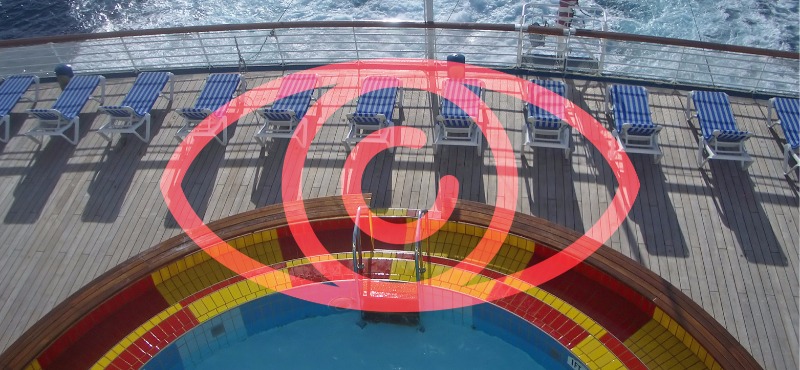

The cruise industry is filled with images of families enjoying their time at sea. Frequently marketed as vacations that everyone will enjoy, cruises especially appeal to families with children, seeking a convenient and exciting way to escape the hustle and bustle of everyday life. With so much to do on board and in the ports of call, it is no wonder that the industry continues to captivate a growing audience.
However, despite the emphasis on a family-friendly environment, one major issue has historically dominated the discussion of cruise ship safety: the presence (or lack thereof) of lifeguards on cruise ships.
A Brief History of the Problem
For years, the potential for seeing a lifeguard attending to a cruise pool was slim. There are two major reasons for this, both of which are financial. The first factor working against cruise ship lifeguards was the Death on the High Seas Act. Under this act, the death of a child has almost no value. Because families can only recover pecuniary losses and since children do not support the family income, the value of the death essentially becomes funeral expenses.
When we consider the true value of a child in the context of his or her family and community, it is easy to see how outdated and unjust this act really is.
The second reason cruise lines were traditionally against using lifeguards is that for every crewmember they must carry, that’s one less passenger they can bring aboard. Naturally, the company would rather have a paying passenger than a crewmember who they will have to pay. And so, for these two reasons, cruise pools remained a silently dangerous aspect of the vacation experience.
It is important to remember the impact of the Jones Act on this situation. Given that the Jones Act protects crew members who are injured on the job, any lifeguards who may become injured while on duty could hold the cruise line responsible. This means an increase in potential liability for the cruise line, which is certainly something they have wanted to avoid.
Many Cruise Lines Are Stepping up to Protect Passengers
Thus, the cruise lines have been placed in a difficult situation. Is it better to take a chance on pool safety by maintaining pools without lifeguards, thereby lowering the risk of crew member liability? Or does it make more sense to hire lifeguards, thereby lowering the risk of passenger accident and injury?
In recent years, the tides have begun to change. With the tragic drowning accidents of children receiving increasing media attention, the pressure for cruise lines to heighten the safety of their pools began to build. These accidents, which could have been prevented had a lifeguard been present, cast light on the fact that, contrary to many parents’ beliefs, cruise lines are not watching over their pools. Given the fact that most major cruise lines appeal to families, this negative media attention was the exact opposite of what the cruise lines wanted.[1]
Disney was the first company to commit to adding lifeguards, due to a tragic near-drowning incident in 2013. More recently, Norwegian and Royal Caribbean have also thrown their hats into the ring, both announcing plans to gradually bring lifeguards to all of their ships.
Will Carnival Join Their Ranks?
Now, only one major cruise line remains: Carnival. As the largest operator of cruise ships in the world, it is well past time for the company to demonstrate its commitment to customer safety and add lifeguards to its fleet. With an estimated 1.6 million children under 18 on cruises every year, the risk for additional accidents and injuries in unattended cruise pools remains high.
It is hoped that Carnival will take the safety of its most vulnerable passengers seriously and join the ranks of the other major cruise lines who have vowed to improve pool safety with lifeguards.
Hopefully these changes in cruise pool protocol will in fact save lives so that every family can experience the relaxing and enjoyable cruise vacation that they deserve.
-----------------------
[1] Lipcon, Margulies, Alsina & Winkleman has pushed for the addition of cruise lifeguards for many years due to the devastating deaths and life-changing injuries in young children. They have also appeared many times in the news for their dedication to this topic and were glad to see the attitude toward cruise ship lifeguards begin to change.
-----------------------
Charles R. Lipcon is the founder of Lipcon, Margulies, Alsina & Winkleman, P.A., a maritime law firm representing passengers and crew injured on ships worldwide. Mr. Lipcon has been handling personal injury, cruise line sexual assault, and wrongful death claims for more than 40 years. Recognized by Best Lawyers and Best Law Firms year after year, he is responsible for numerous landmark cases and is the author of Unsafe on the High Seas and The Cruise Line Law Reporter.