In early 2022, when it was announced that a New York City building on 71st Street, the Frick, was planning to put in a ramp for what they claimed was in adherence to the Americans with Disability Act (ADA), homeowners on the block quickly realized that something was amiss. Their concerns brought them to Adam Leitman Bailey, P.C., and further investigation proved their suspicions correct. Along with the request for the ADA door, there was a secret plan of turning the library into a food hall. What may be the most famous and richest homeowners' association ever organized to try and stop the metamorphosis of their quiet tree-lined block into a waiting center to enter the food hall, and this homeowner association knew they had to work quickly and effectively.
The Frick Building Plans
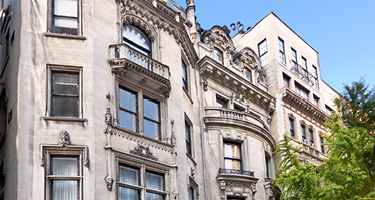
The Frick building, constructed in the early 1900s, is a well-known mansion and current museum in Manhattan’s Upper East Side, surrounded by many other residences. Amidst the bustling, busy city, the street and the homes along the street enjoy a peaceful, uncrowded existence. Many homeowners are longtime residents and include some of the world’s most illustrious and affluent people in the world. These individuals savor the solitude and tranquility offered in their little corner of the city, and they value privacy above almost all else. So, when the Frick building sought to put in a new ingress at the 71st Street library entrance, alarm bells immediately went off for many residents.
The Frick Museum is visited through access points farther away from the residential areas. The Frick also contains a library of sorts. Their plans were to install a new ramp into the library under the guise of accessibility for patrons under the ADA. This plan would allegedly allow access to the back of the building, which would put it on that street among the quiet homes and residential properties on and around the 70s blocks of Upper East Side Manhattan—directly in the middle of a quiet neighborhood whose residents had long enjoyed the discretion they had in their homes.
The “Library”
During its investigation, Adam Leitman Bailey, P.C. uncovered that the library as represented by the Frick executives provided a false narrative. No books had ever been checked out of the library. No library cards have ever been issued. The library had never been open to the public and very few people had every used the library. If they did, they had to come in person by appointment and view the books. The library wasn’t truly a library at all. As Adam Leitman Bailey uncovered, the idea that the library would need a ramp for patrons was patently false.
But knowing the Frick’s intentions and the truth about the library needed to be backed with evidence and presented to the proper triers of fact in order to have a chance of exposing the truth.
Bailey and his team knew that if they could get the entrance door and ramp construction blocked, this would also halt any plans to turn the library into a restaurant, as there would no longer be need for ADA compliance. During its investigation, Adam Leitman Bailey interviewed or spoken workers, neighbors and experts, along with reviewing the Frick’s building plans. Their discovery proved the suspicions correct—the seemingly innocuous plans were but a ruse.
The ramp, which the building purported was meant for accessibility under the ADA, was, in fact, meant for much more—to raise revenue for the Museum as a food hall and/or for parties or benefits. As the families and heirs that had long-since supported the Frick are becoming more and more far-removed, the Frick relies more and more on government and patron income. So what was it that the Frick meant to gain out of installing a ramp to allow access to a library that was mostly inaccessible already?
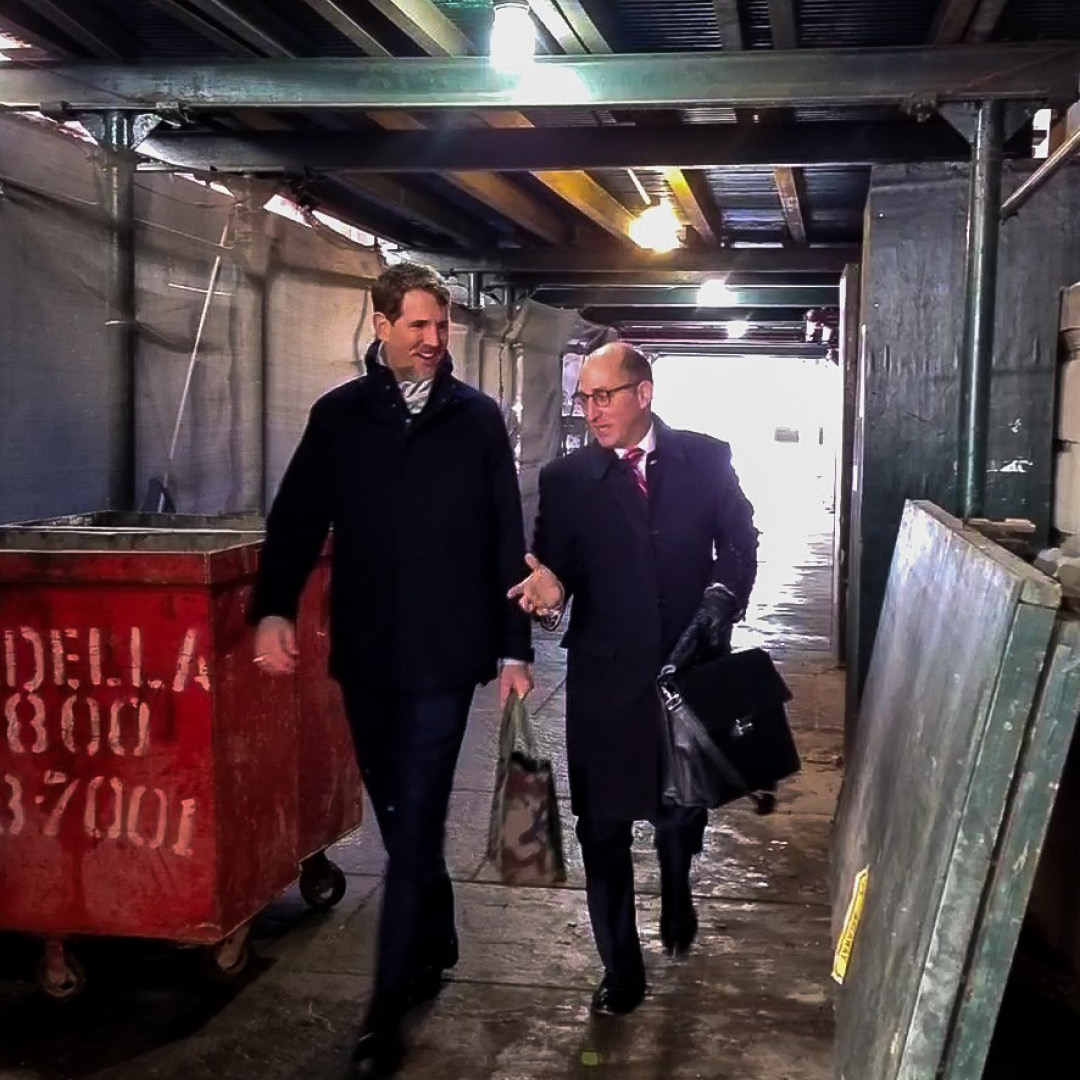
Bailey noted, “I was able to gain entrance into the construction area, and I spoke to the construction workers about the plans. I saw the plans they were building from, which looked much different than the approved plans filed with the agencies and the department of buildings.”
The “New” Unauthorized Plans
In fact, the plans that Bailey saw included much more than a ramp installation. The Frick, hemorrhaging money and looking for more lucrative avenues, was actually planning to renovate the library entirely into a food hall. Because New York restaurants are required to have ADA access, the ramp was being put in for patrons to flock to this quiet street. But nowhere in the official committee approved plans was this restaurant outlined. The Frick was lying completely about their intentions.
Bailey explained, “Our law firm discovered that they intended to make the library into a food hall to sell food to the public. Because there are no other restaurants in this area, this alone would draw big crowds and long lines onto the street, which would have harmed the beauty of the tree-lined block.”
What’s more, once the restaurant was open to the public, long-lines and competing food-trucks would find their way in. Food carts, cafes and other public venues would eventually crop up, turning the quiet solitude of the street into another tourist destination. The threat of resulting vehicular and foot traffic alone was worrisome for the residents of the block, but the idea that their homes, their places of peace and quiet, would be turned into a bustling hub of activity was startling and unacceptable.
Equipped with the knowledge of the Frick’s actual plans, which proved far more extensive, intrusive—and completely false—than the ones they’d presented to the committees, Bailey and his team went to work.
Presenting to the Community Board’s Transportation Committee and Questioning of the Frick’s Architect
Bailey’s first order of business was writing a letter to local the Community Board, along with creating an explanatory video demonstrating just how severely the street would be impacted by the added commotion brought in by the Frick’s plans—both approved and unapproved. The letter was then distributed to the Community Board's Transportation Committee. Bailey spoke before the Committee, advising them of the Frick’s dishonest intentions. Bailey’s team explained to the Committee that the ramp, being installed under the purpose of ADA compliance, was actually going to be used for building services and that the plans included reconstructing the private library into a very public eatery.
Bailey, leaving no detail unturned, cross-examined the architect charged with the Frick’s renovation plans, emphasizing that the ramp was not intended for library access but for busy street access to restaurant patrons. This also highlighted the inaccurate and dishonest answers Bailey was originally given by the Frick’s team when initially questioned about the ramp’s installation.
Bailey continued to showcase that not only was the ramp substantially larger than was necessary for ADA compliance, but it was also unlawful and could result in unsafe sidewalk conditions. On questions/cross-examination, Bailey was able to have the Frick’s chief architect admit the Frick’s change of plans concerning the library area. He admitted of the possibility of a disturbance of traffic on the quiet tree-lined block if a food hall was built and an exit and entrance used to take food in and out. He admitted that the none of these ideas were in the initial plans approved by the Community Board or the Landmark’s Commission. He described his idea for the food hall and how it would work and did not deny that it was previously presented as a library.
With passion and poise, Bailey explained the details he uncovered through well-written materials and detailed presentations. Bailey and his team even uncovered the deeper motives behind the installation.
Despite all that Bailey and his team presented, the clear demonstration that not only was the Frick dishonest with their intentions, but their proposed ramp caused a clear and defined violation to the safety and security of the homeowners on the 71st Street in Upper East Side Manhattan, the Committee did not vote in their favor. But the vote had been very close—and as word spread, momentum built. Bailey and his team had caught the Frick in a lie, and the museum’s credibility was crumbling. All was not lost yet.
Maintaining the Library and Banning the Food Hall
When the full Community Board met a second time in February 2022 with Adam Leitman Bailey’s letter and materials and the Transportation Committee’s transcript in hand, they amended their vote. While the ramp installation was permitted to proceed, it was not without restrictions. The ramp was only allowed to operate during library hours and would not be authorized for use beyond those necessary for the library’s operation. Thus, while the building got approval for the ramp, they did not get approval for a food hall. The library would remain the quiet, non-public sector it had been.
Bailey and his team had permanently altered the substantial and untruthful plans originally laid out by the Frick, and to this day the homes and people on that peaceful tree-line block, remain at peace.