Insight

Adam Leitman Bailey, P.C. Secures Reduction in Common Charges for Commercial Condominium Units

Through strategic advocacy, Adam Leitman Bailey, P.C. secured a precedent-setting agreement that ensured commercial owners pay only for services they use.

Rachel Sigmund McGinley

Rachel Sigmund McGinley and Adam Leitman Bailey

August 2, 2021 12:10 PM

In this matter, Adam Leitman Bailey, P.C. was presented with the multifaceted legal issue of whether the offering plan or the condominium declaration and by-laws govern with respect to the amount of common charges payable by condominium unit owners, as well as the proper method for determining such calculation.

The firm’s client, the commercial unit owner and sponsor of a trendy SoHo condominium, needed representation in a dispute with the condominium’s board of managers concerning the amount of common charges payable by the commercial unit owner. When the offering plan made clear that the commercial owner would only be responsible for paying certain categories of common charges, the declaration and by-laws did not provide for any such distinction. Instead, they required simply that all unit owners (including the commercial units) would pay common charges equal to their percentage common interest across all categories.

This was problematic and inherently unfair for the commercial owner, which did not utilize many of the residential services for which the board was claiming the commercial owner should pay common charges. For example, the commercial owner was being charged for repairs to the building’s residential electrical and intercom systems, costs for painting and plastering interior common areas of the residential portion of the building, costs to repair certain doors, locks, and windows in the residential areas, cleaning fees for the residential areas, fees for licenses and permits not affecting the commercial units, elevator service fees for elevators that do not serve the commercial units, and building staff payroll.

Adam Leitman Bailey, P.C. jumped into action and attended numerous settlement meetings with the board and its counsel. After months of hard work and negotiations, Adam Leitman Bailey, P.C. ultimately hashed out a comprehensive settlement agreement with the board, whereby the commercial owner would only pay common charges for certain categories of expenses (in line with the offering plan), and would pay a usage fee if the commercial units ever needed to utilize the building elevator (for example, if a handicapped patron needed access to the commercial unit located in the basement of the building in order to comply with the Americans with Disabilities Act of 1990). The settlement prohibited the board from establishing any new services that would impact the commercial owner without consent and from increasing, by more than 3% annually, any of the categories of common expenses that the commercial owner is responsible for paying without the commercial owner’s prior consent.

In addition, the settlement agreement required the board of managers to call a meeting of the unit owners to vote to amend the condominium’s declaration and by-laws to provide that the commercial unit owner is only responsible for payment of certain delineated categories of common expenses in line with the commercial unit owner’s usage thereof. This had the effect of “correcting” the declaration and by-laws which should have been drafted to include this distinction from the beginning. The settlement also required the board to discharge the common charge liens it had filed against each of the Adam Leitman Bailey, P.C.’s clients for allegedly unpaid common charges. The liens were threatening the client’s relationship with its lender. Thanks to Adam Leitman Bailey, P.C.’s involvement, the client is now paying only for those services that it actually utilizes, and it has restored its good standing with its lender.

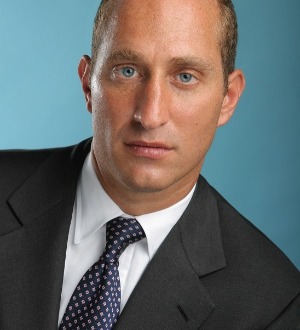
Adam Leitman Bailey and Rachel Sigmund McGinley represented the commercial unit owner/sponsor in this matter.


Trending Articles

2026 Best Lawyers Awards: Recognizing Legal Talent Across the United States


by Jamilla Tabbara

The 2026 editions highlight the top 5% of U.S. attorneys, showcase emerging practice areas and reveal trends shaping the nation’s legal profession.

Map of the United States represented in The Best Lawyers in America 2026 awards

Gun Rights for Convicted Felons? The DOJ Says It's Time.


by Bryan Driscoll

It's more than an administrative reopening of a long-dormant issue; it's a test of how the law reconciles the right to bear arms with protecting the public.

Firearms application behind jail bars

2026 Best Lawyers Awards in Canada: Marking 20 Years of Excellence


by Jamilla Tabbara

Honoring Canada’s most respected lawyers and spotlighting the next generation shaping the future of law.

Shining Canadian map marking the 2026 Best Lawyers awards coverage

Revealing the 2026 Best Lawyers Awards in Germany, France, Switzerland and Austria


by Jamilla Tabbara

These honors underscore the reach of the Best Lawyers network and its focus on top legal talent.

map of Germany, France, Switzerland and Austria

Best Lawyers 2026: Discover the Honorees in Brazil, Mexico, Portugal, South Africa and Spain


by Jamilla Tabbara

A growing international network of recognized legal professionals.

Map highlighting the 2026 Best Lawyers honorees across Brazil, Mexico, Portugal, South Africa and Sp

How to Sue for Defamation: Costs, Process and What to Expect


by Bryan Driscoll

Learn the legal standards, costs and steps involved when you sue for defamation, including the difference between libel and slander.

Group of people holding papers with speech bubbles above them

Build Your Legal Practice with Effective Online Networking


by Jamilla Tabbara

How thoughtful online networking supports sustained legal practice growth.

Abstract web of connected figures symbolizing online networking among legal professionals

Algorithmic Exclusion


by Bryan Driscoll

The Workday lawsuit and the future of AI in hiring.

Workday Lawsuit and the Future of AI in Hiring headline

Blogging for Law Firms: Turning Content into Client Connections


by Jamilla Tabbara

How law firms use blogs to earn trust and win clients.

Lawyer typing blog content on laptop in office

Reddit’s Lawsuit Could Change How Much AI Knows About You


by Justin Smulison

Big AI is battling for its future—your data’s at stake.

Reddit Anthropic Lawsuit headline

How to Choose a Good Lawyer: Tips, Traits and Questions to Ask


by Laurie Villanueva

A Practical Guide for Your First-Time Hiring a Lawyer

Three professional lawyers walking together and discussing work

The 2026 Best Lawyers Awards in Chile, Colombia and Puerto Rico


by Jamilla Tabbara

The region’s most highly regarded lawyers.

Map highlighting Chile, Colombia and Puerto Rico for the 2026 Best Lawyers Awards

Common-Law Marriage in Indiana: Are You Legally Protected?


by Laurie Villanueva

Understanding cohabitation rights and common-law marriage recognition in Indiana.

Married Indiana couple in their home

Why Jack Dorsey and Elon Musk Want to 'Delete All IP Law'


by Bryan Driscoll

This Isn’t Just a Debate Over How to Pay Creators. It’s a Direct Challenge to Legal Infrastructure.

Elon Musk and Jack Dorsey standing together Infront of the X logo

AI Tools for Lawyers: How Smithy AI Solves Key Challenges


by Jamilla Tabbara

Understand the features and benefits within the Best Lawyers Digital Marketing Platform.

Legal professional editing profile content with Smithy AI

Alimony Explained: Who Qualifies, How It Works and What to Expect


by Bryan Driscoll

A practical guide to understanding alimony, from eligibility to enforcement, for anyone navigating divorce

two figures standing on stacks of coins