
Best Lawyers in America for Gaming Law


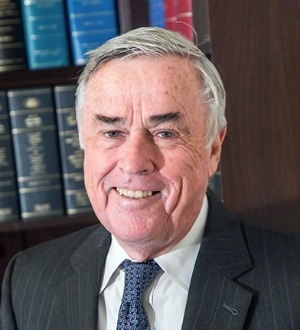
Mr. Tobin joined the Firm in 1968 and became a partner in 1970. His involvement in a number of prominent cases at both the state and federal level during this time helped to expand the Firm’s litigation practice. Today, he practices extensively in the areas of corporate, commercial, gaming and Indian law, appellate, personal injury and wrongful death and general litigation. Mr. Tobin has lectured before the Connecticut Bar Association and is a Connecticut Superior Court Trial Referee.
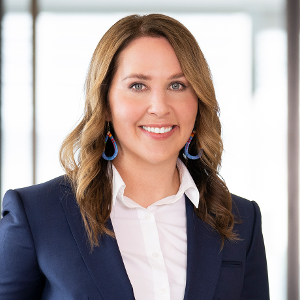
Experienced liaison between Indian tribes and businesses. Problem-solver for complex legislative, regulatory and legal issues. Former attorney for the Department of the Interior and the Department of Justice. Sarah Murray provides counsel on laws, regulations and legislation related to administrative law, regulatory compliance, land use, Indian affairs and tribal gaming. Her experience serving as an attorney at multiple federal agencies and rich knowledge of the historical, legal and constitu...

Mr. Orlansky concentrates his practice in the areas of business litigation, gaming law, and professional liability and ethics. He chairs the firm's Gaming Practice, is a member of the firm's Management Committee, and serves as the firm's loss prevention and ethics counsel. Mr. Orlansky joined Stone Pigman in 1984.

Kevin Vela is a lawyer recognized by Best Lawyers in the practice areas of Corporate Law, Gaming Law and Mergers and Acquisitions Law. Kevin practices law in Dallas, Texas Best Lawyers has recognized Kevin Vela since 2026. The Best Lawyers recognition is based on a peer-review survey of lawyers in the same geographic region and legal practice area. The recognition reflects the professional regard in which Kevin Vela is held by other lawyers.
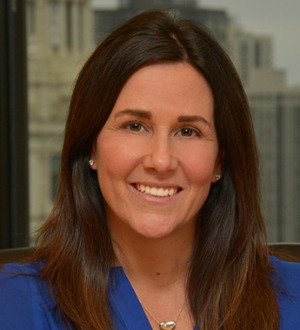
Kimberly M. Copp is a lawyer recognized by Best Lawyers in the practice areas of Banking and Finance Law, Gaming Law and Public Finance Law. Kimberly M. practices law in Chicago, Illinois Best Lawyers has recognized Kimberly M. Copp since 2021. The Best Lawyers recognition is based on a peer-review survey of lawyers in the same geographic region and legal practice area. The recognition reflects the professional regard in which Kimberly M. Copp is held by other lawyers.

Assisting on a broad range of gaming and licensing matters in the firm’s Gaming Group, Erin Elliott routinely attends Nevada Gaming Control Board and Nevada Gaming Commission meetings on behalf of clients to obtain various regulatory approvals. She aids institutional investor clients in navigating the filing requirements of various gaming agencies, and advises clients on matters related to conducting sweepstakes and contests. Erin also files local land use applications and has assisted ...
Our Methodology
Recognition by Best Lawyers is based entirely on peer review. Our methodology is designed to capture, as accurately as possible, the consensus opinion of leading lawyers about the professional abilities of their colleagues within the same geographical area and legal practice area.
The Process
Best Lawyers employs a sophisticated, conscientious, rational, and transparent survey process designed to elicit meaningful and substantive evaluations of the quality of legal services. Our belief has always been that the quality of a peer review survey is directly related to the quality of the voters.
