
Best Lawyers in Florida, United States for Trusts and Estates
Cities


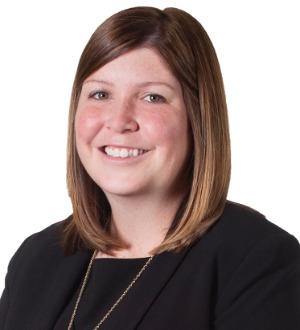
Regina Rabitaille is a lawyer recognized by Best Lawyers in the practice areas of Litigation and Controversy - Tax and Trusts and Estates. Regina practices law in Orlando, Florida Best Lawyers has recognized Regina Rabitaille since 2021. The Best Lawyers recognition is based on a peer-review survey of lawyers in the same geographic region and legal practice area. The recognition reflects the professional regard in which Regina Rabitaille is held by other lawyers.
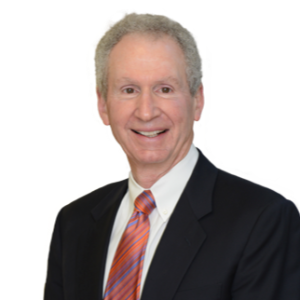
Bruce H. Bokor has been a member of Johnson, Pope, Bokor, Ruppel & Burns LLP since 1977, advising clients throughout Clearwater, Florida and the surrounding areas in matters involving Tax Law, Trusts and Estates, business transactions, and estate planning. His practice includes planning for the purchase and sale of businesses, complex estate planning strategies, and representation in tax controversy matters. Bruce works with business owners, professionals, closely held companies, charitab...
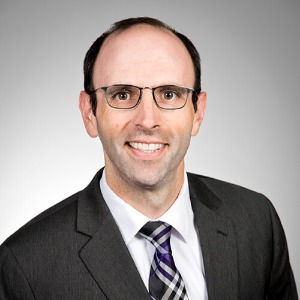
Justin Savioli is a partner with Katz Baskies & Wolf PLLC. He is a graduate of the University of Miami (B.A.) and University of Miami School of Law (J.D., cum laude). He served as an Articles and Comments Editor on the University of Miami Inter-American Law Review and was a member of Phi Alpha Delta, a professional law fraternity. He received his Master of Laws in Taxation (LL.M.) from the University of Florida.
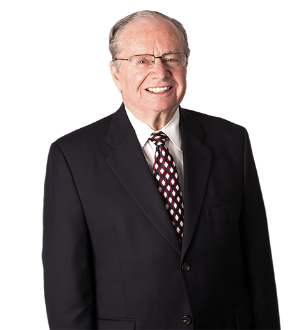
Martin Kalb is a lawyer recognized by Best Lawyers in the practice areas of Tax Law and Trusts and Estates. Martin practices law in Miami, Florida Best Lawyers has recognized Martin Kalb since 1995. The Best Lawyers recognition is based on a peer-review survey of lawyers in the same geographic region and legal practice area. The recognition reflects the professional regard in which Martin Kalb is held by other lawyers.
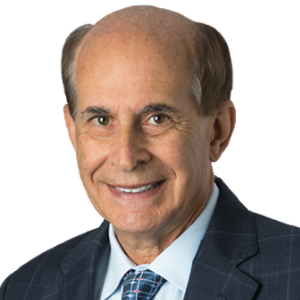
With more than 30 years of experience, Ronald L. Siegel is a Florida Bar Board Certified specialist in Wills, Trusts and Estates. He focuses his practice in all aspects of estate planning, probate, trust administration, guardianship and real estate. Mr. Siegel is an active member of the community, serving as the Financial Vice President of the Board of Directors for Jewish Association for Residential Care (JARC), and as a Director of the National Board of Israel Elwyn. He also serves on profe...
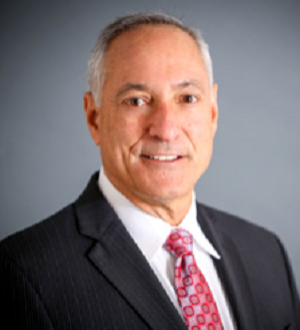
Richard A. Josepher is a lawyer recognized by Best Lawyers in the practice areas of Litigation and Controversy - Tax and Trusts and Estates. Richard A. practices law in Boca Raton, Florida Best Lawyers has recognized Richard A. Josepher since 2001. The Best Lawyers recognition is based on a peer-review survey of lawyers in the same geographic region and legal practice area. The recognition reflects the professional regard in which Richard A. Josepher is held by other lawyers.
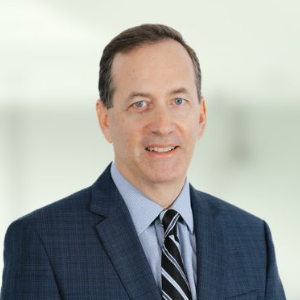
Mark R. Brown is a lawyer recognized by Best Lawyers in the practice areas of Tax Law and Trusts and Estates. Mark R. practices law in Palm Beach Gardens, Florida Best Lawyers has recognized Mark R. Brown since 2027. The Best Lawyers recognition is based on a peer-review survey of lawyers in the same geographic region and legal practice area. The recognition reflects the professional regard in which Mark R. Brown is held by other lawyers.
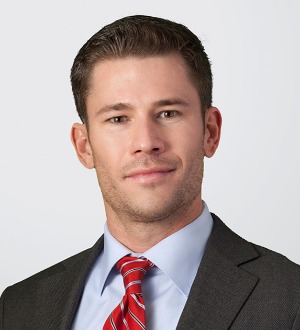
Patrick C. Emans is a lawyer recognized by Best Lawyers in the practice area of Trusts and Estates. Patrick C. practices law in Miami, Florida Best Lawyers has recognized Patrick C. Emans since 2021. The Best Lawyers recognition is based on a peer-review survey of lawyers in the same geographic region and legal practice area. The recognition reflects the professional regard in which Patrick C. Emans is held by other lawyers.
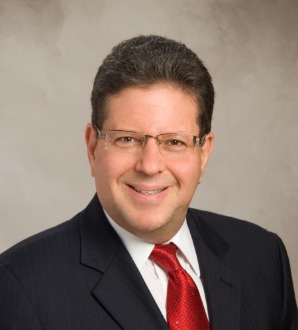
Frank Adams is a Fellow in the American College of Trust and Estate Counsel and is listed in the current edition of The Best Lawyers in America, in the areas of trusts and estates, and trust and estates litigation. He is an AV-rated attorney, and is Board Certified in Wills, Trusts and Estates. Frank practices primarily in sophisticated estate planning and administration, including wills; revocable and irrevocable trusts; asset protection planning; special needs trusts, probate; estate, gift ...
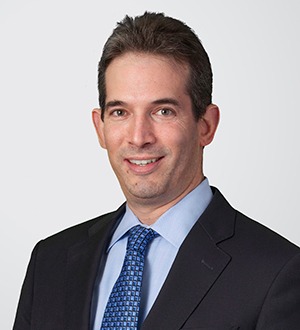
Kevin E. Packman is a lawyer recognized by Best Lawyers in the practice areas of Litigation and Controversy - Tax, Tax Law and Trusts and Estates. Kevin E. practices law in Miami, Florida Best Lawyers has recognized Kevin E. Packman since 2018. The Best Lawyers recognition is based on a peer-review survey of lawyers in the same geographic region and legal practice area. The recognition reflects the professional regard in which Kevin E. Packman is held by other lawyers.
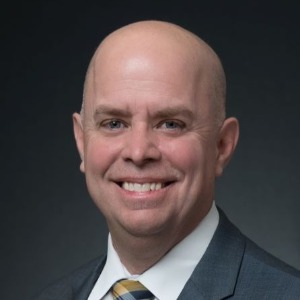
Daniel K. Capes is a shareholder of Dunwody White & Landon, P.A.. Mr. Capes focuses his practice in the areas of estate planning and estate and trust administration, with an emphasis on estate, gift and generation-skipping transfer (GST) tax planning. He received his LL.M. in Taxation and J.D., with honors, from the University of Florida and a Bachelor of Science degree from Toccoa Falls College. Mr. Capes has been recognized for his trusts and estates expertise in “The Best Lawyers...
Our Methodology
Recognition by Best Lawyers is based entirely on peer review. Our methodology is designed to capture, as accurately as possible, the consensus opinion of leading lawyers about the professional abilities of their colleagues within the same geographical area and legal practice area.
The Process
Best Lawyers employs a sophisticated, conscientious, rational, and transparent survey process designed to elicit meaningful and substantive evaluations of the quality of legal services. Our belief has always been that the quality of a peer review survey is directly related to the quality of the voters.
