
Best Illinois Trusts and Estates Lawyers



Louis S. Harrison has long been recognized as one of the premier estate planning attorneys in the country. A founding partner of Harrison & Held, LLP – one of the nation’s most elite estate planning firms – Lou’s practice encompasses all aspects of trust and estate planning, including estate and business planning for closely held companies. In addition to individuals in need of sophisticated planning, Lou represents numerous family offices, public figures, CEOs of ...
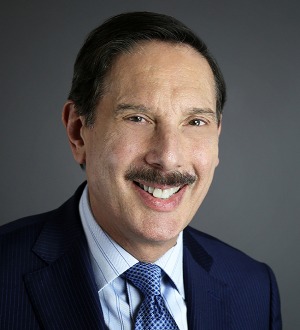
Larry is chair of the firm’s Private Wealth Services practice group. He facilitates successful legal strategies for entrepreneurs, tax-exempt organizations, fiduciaries and high-net worth families and individuals. This work involves estate, gift and charitable planning issues, including business succession, tax-efficient ownership structures, sophisticated tax-exempt structures, trust and estate administration, executive benefits, life insurance and international estate planning for wea...

As an advisor and counselor to entrepreneurs, closely held businesses, and wealthy families and their family offices, Steve Gustafson draws upon multiple disciplines to provide integrated tax, business and financial advice. Steve’s practice has a substantial emphasis in the areas of tax and financial transactions, including structuring corporate, joint venture, commercial and real estate transactions, as well as assisting family businesses with tax and financial planning matters. He als...
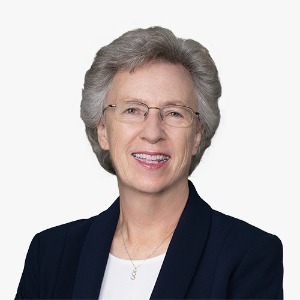
Carol A. Harrington advises clients on a variety of matters, including estate, gift and generation-skipping tax issues, closely held businesses and succession planning, family office structures and issues, private trust companies, private foundations, trust and estate administration, and contested trust and tax matters. Carol is the former global head of McDermott’s Private Client Practice. Read full biography: https://www.mwe.com/people/harrington-carol-a/
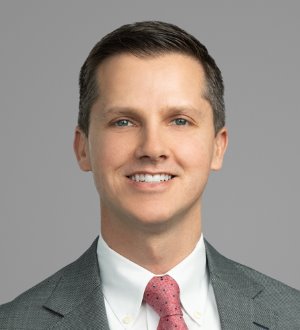
David Allen helps high-net-worth individuals and families with all their legal needs. With an approach that seamlessly integrates estate planning, tax minimization and concierge lawyering, David's advice allows his clients to spend less time managing advisors and more time focusing on their passions, their businesses and their families. From restructuring valuable art collections to coordinating legal services for multibillion-dollar family businesses and family offices, David is often the fi...
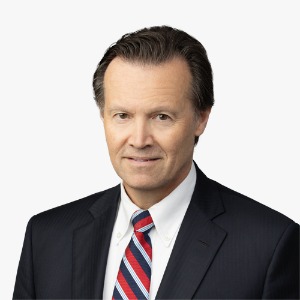
David A. Baker serves as head of the Firm's Estate, Trust and Guardianship Controversy Practice Group. He advises clients in the areas of estate, trust and guardianship litigation; probate, estate, trust and guardianship administration; and charitable foundation and exempt organization administration and litigation. He also practices estate planning. Please visit our website for more on David's biography: https://www.mwe.com/en/team/b/baker-david-a
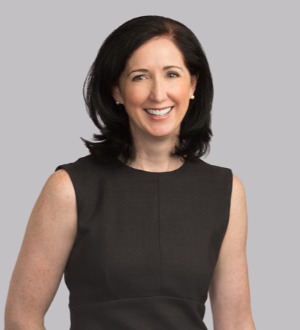
Kate Scallan maintains an international trusts and estates practice, representing clients across the globe in high net worth estate and gift tax planning matters. Kate provides sophisticated tax advice to some of the most successful hedge fund and private equity fund principals in the world. She advises with regard to closely held business planning and tax structuring, bringing her personal touch and attention to each client’s unique situation. Kate’s practice encompasses wills, t...
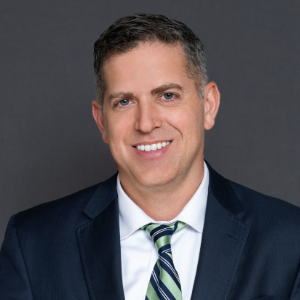
Timothy J. Ritchey is a partner at Peck Ritchey, LLC who concentrates his practice in estate and trust litigation , elder law , and guardianship . Tim has been appointed Special Assistant Attorney General in numerous matters to represent the State’s interests in actions relating to Illinois healthcare and disability law. In 2014, Tim wrote legislation and testified as an expert before the Illinois Senate on an amendment to the Illinois Probate Act regarding elder abuse and financial exp...
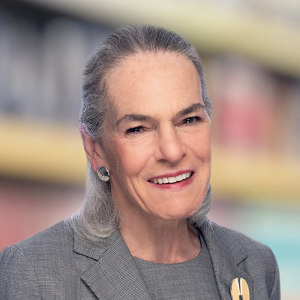
Partner Nancy M. Spain, a founder of the firm, Spain, Spain & Varnet P.C., which joined Hahn Loeser & Parks LLP in 2022, focuses her career in general and probate-related law. She began her legal career in Cleveland, prior to relocating to Chicago in 1981 where she first worked in the trust department of the former Lake Shore Bank, prior to practicing law at Spain, Spain & Varnet P.C. Throughout her career, Nancy has been actively involved in drafting legislation and working with ...
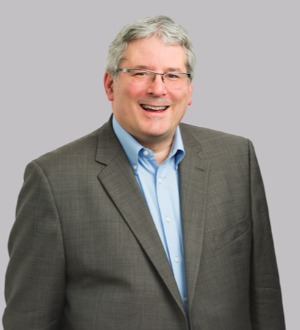
Jordan Klein’s broad-based trust and estate practice encompasses all aspects of estate planning, trust and estate administration and settlement, wealth transfer, philanthropy and fiduciary counseling services. His clients include corporate executives, families with dynastic wealth, privately held business owners, professionals, fund managers, family offices and private foundations. Jordan has significant experience designing creative solutions to achieve his clients’ estate planni...
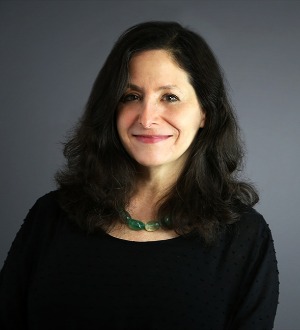
Susan is a partner in the Private Wealth Services practice group. Susan focuses her practice on sophisticated estate planning for business owners, wealthy individuals and entrepreneurs. She helps her clients transfer wealth to younger generations to achieve tax efficiencies as well as protection for beneficiaries and counsels her clients in connection with complex intrafamily issues that wealthy families often face. In addition to helping clients structure their estate plans, Susan advises cl...
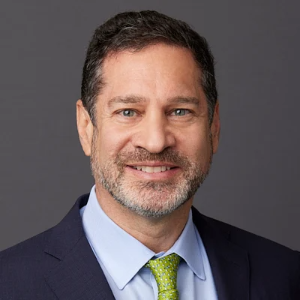
David A. Handler is a partner in the Trusts and Estates Practice Group of Kirkland & Ellis LLP. He concentrates his practice on trust and estate planning and administration, representing owners of closely-held businesses, family offices, principals of private equity and venture capital funds, individuals and families of significant wealth, and establishing and administering private foundations and other charitable organizations. David is a fellow of the American College of Trust and Estat...
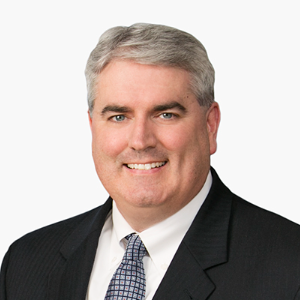
Thomas P. Ward is a lawyer recognized by Best Lawyers in the practice area of Trusts and Estates. Thomas P. practices law in Chicago, Illinois Best Lawyers has recognized Thomas P. Ward since 2027. The Best Lawyers recognition is based on a peer-review survey of lawyers in the same geographic region and legal practice area. The recognition reflects the professional regard in which Thomas P. Ward is held by other lawyers.

Jason S. Ornduff advises high net worth families, business owners, executives, professionals and celebrities on state and federal laws regarding wealth transfer to the next generation, including estate planning, estate and trust administration, and estate and gift tax issues. Jason also counsels closely-held companies on various legal issues, especially in the areas of succession planning. Jason is a past president of the Greater North Shore Estate and Financial Planning Council. He is also a...
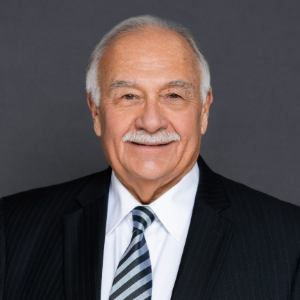
Peter S. Coorlas is a senior associate of the Chicago law firm Peck Ritchey, LLC . Peter was an Assistant State’s Attorney for Cook County for 30 years, serving in the Special Litigation and Municipal Litigation Sections of the Civil Actions Bureau. Although Peter served in various areas while at the State’s Attorneys Office, he has primarily represented the interests of Cook County in probate matters, spending much of his time on contested litigation, including will contests, con...
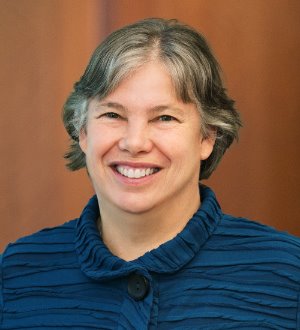
Stephanie advises on complex tax issues, investment structures, acquisitions and sales of special assets, trust and probate administration and charitable giving. She serves as a fiduciary consultant on litigation matters for corporate fiduciaries and interfamily disputes. Stephanie also represents taxpayers on contested tax matters, including federal and state audits and administrative appeals. Stephanie’s clients include high net worth individuals, family offices and corporate fiduciar...
