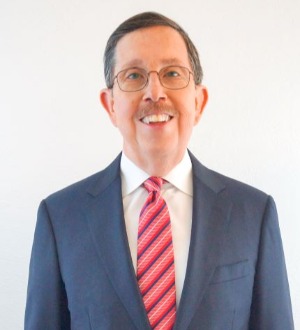
 Recognized in Best Lawyers since 1995
When Robert Sheldon was in seventh grade, he was struck by a speeding car while walking home after playing basketball at a local Boys & Girls Club. The impact threw me approximately 15 feet, and I landed unconscious on the porch of the Hebert Candy Shop. I was taken by ambulance to Bridgeport Hospital, where I received treatment for a concussion and injuries to my right arm and hand. I remained hospitalized for three days and missed nearly a month of school. After extensive medical care and rehabilitation, I was able to recover from my injuries.
That experience has had a lasting influence on my career as a trial attorney. For decades, I have represented individuals and families throughout Connecticut in personal injury and workers’ compensation matters involving motor vehicle accidents, construction accidents, workplace injuries, falls, medical malpractice, legal malpractice and sexual abuse claims. Having personally experienced the physical, emotional and financial challenges that can follow a serious injury, I understand how profoundly an accident can affect every aspect of a person’s life.
At Tremont Sheldon PC in Bridgeport, Connecticut, I focus my practice on Personal Injury Litigation - Plaintiffs and Workers’ Compensation Law - Claimants. I believe effective representation begins with understanding each client’s story, including how an injury has affected their family, employment, daily activities and future plans. Whether presenting a case to an insurance company, opposing counsel, a judge, jury, arbitrator or workers’ compensation commissioner, I work to communicate my clients’ experiences clearly and persuasively.
I was born in Bridgeport and raised in Fairfield. My father worked as a postal employee and my mother was a secretary. From an early age, my parents emphasized the importance of hard work, preparation and treating people with respect. Those values continue to guide my approach to practicing law and serving clients throughout Connecticut.
I graduated from the College of the Holy Cross and the University of Connecticut School of Law. After being admitted to the Connecticut Bar, I joined my late partner and mentor, Paul Tremont, in practice. I continue to practice with his son and my colleagues at Tremont Sheldon PC. Paul Tremont’s dedication to his clients, commitment to preparation and professionalism had a significant impact on my development as a trial lawyer.
In addition to representing injured individuals and workers, I have remained active in the legal community throughout my career. I served for many years on the Board of Governors of the Connecticut Trial Lawyers Association and was honored to serve as its President. I also served as the first Chairman of its Workers’ Compensation Section. In those roles, I drafted legislation and testified before the Connecticut Legislature regarding laws affecting the rights of injured workers and accident victims. I was also nominated by the Governor to serve a four-year term on the Connecticut Judicial Review Council, which reviews complaints involving judges and workers’ compensation commissioners.
My work in personal injury litigation and workers’ compensation law has been recognized by legal organizations and peer-reviewed publications. Since 1995, I have been included in The Best Lawyers in America for personal injury law and workers’ compensation law. I am also a member of the American Board of Trial Advocates and have been selected for inclusion in Connecticut Super Lawyers. In addition, I have received the AV Preeminent peer review rating from Martindale-Hubbell for professional ability and ethical standards.