
Edward G. "Ed" Menzie
 Recognized in Best Lawyers since 1983
 About Edward G. Menzie
Edward G. Menzie is a lawyer based in Columbia, SC and has been recognized in The Best Lawyers in America® since 1983. Edward G. Menzie is recognized in the following practice areas:
- Columbia, South Carolina
- Corporate Law
- Mergers and Acquisitions Law
- Real Estate Law
- Securities / Capital Markets Law
- Securities Regulation
Current Firm: Maynard Nexsen PC
Education: The University of South Carolina School of Law, J.D., graduated 1971
Location: Columbia, SC


Nearby Lawyers
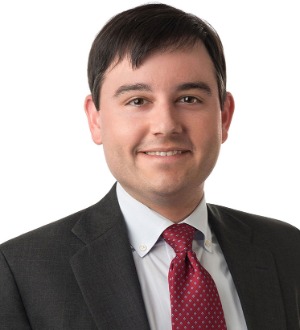
Blake T. Williams is a lawyer recognized by Best Lawyers in the practice area of Commercial Litigation. Blake T. practices law in Columbia, South Carolina Best Lawyers has recognized Blake T. Williams since 2027. The Best Lawyers recognition is based on a peer-review survey of lawyers in the same geographic region and legal practice area. The recognition reflects the professional regard in which Blake T. Williams is held by other lawyers.


Mason Hogue is a partner in the Corporate Group of Nelson Mullins Riley & Scarborough LLP where he serves as Assistant Corporate Group Leader and is the co-head of the Technology and Procurement Industry Group. Mr. Hogue is a business attorney and often serves as outside general counsel to growth companies. He practices in the areas of corporate law, intellectual property law, technology law, and economic development. His area of focus is representing growth companies with respect to corp...

George V. Hanna IV is a lawyer recognized by Best Lawyers in the practice areas of Litigation - Construction, Litigation - Insurance, Personal Injury Litigation - Defendants and Product Liability Litigation - Defendants. George V. practices law in Columbia, South Carolina Best Lawyers has recognized George V. Hanna IV since 2012. The Best Lawyers recognition is based on a peer-review survey of lawyers in the same geographic region and legal practice area. The recognition reflects the professi...

Matthew B. Hill is a lawyer recognized by Best Lawyers in the practice areas of Banking and Finance Law and Corporate Law. Matthew B. practices law in Columbia, South Carolina Best Lawyers has recognized Matthew B. Hill since 2020. The Best Lawyers recognition is based on a peer-review survey of lawyers in the same geographic region and legal practice area. The recognition reflects the professional regard in which Matthew B. Hill is held by other lawyers.
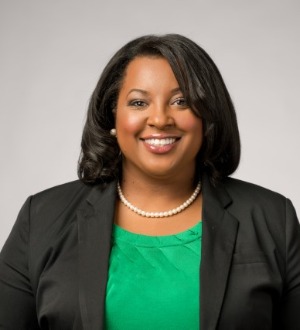
Sheila Willis is committed to finding practical, real world solutions to her clients’ employment law needs. She represents companies—large and small—as they navigate employment issues related to hiring, discipline, investigations, employment discrimination, unemployment, and other related issues. Sheila provides guidance to higher education institutions on Title IX Compliance and investigations She has extensive experience providing compliance advice to federal contractors o...
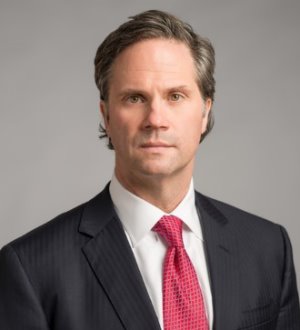
Stephen Mitchell is managing partner of the firm's Columbia office. His practice emphasizes traditional labor law and employment litigation. Steve started his career as a prosecutor, gaining valuable trial experience. He has handled administrative charges and lawsuits in state and federal courts involving wrongful discharge, Title VII, Americans with Disabilities Act (ADA), Age Discrimination in Employment Act (ADEA), Employee Retirement Income Security Act (ERISA), Family and Medical Leave A...
Explore and Learn
What AI Visibility Means for Lawyers
by Josh Rupall and Bryan Driscoll
AI tools increasingly interpret lawyers public information. Clear, consistent and credible sources help ensure they describe legal expertise accurately.

The Best Lawyers in Canada 2027: Recognizing the Nation's Top Legal Talent
by Jamilla Tabbara
Honoring established leaders and rising practitioners across Canada's legal profession.

2027 Best Lawyers Awards: Honoring Excellence in the Legal Profession
by Jamilla Tabbara
Recognizing the outstanding attorneys leading top practice areas nationwide.

Musk v. Altman: The Lawyers Behind the Case
by Jamilla Tabbara
Meet the Trial Lawyers Shaping One of AI's Biggest Legal Disputes.

Announcing the 2027 Best Lawyers Awards: Austria, Germany and Switzerland
by Jamilla Tabbara
Celebrating the legal professionals throughout Central Europe.

The Legal Teams Behind the Blake Lively–Justin Baldoni Settlement
by Grace Greer
A closer look at the legal teams and attorneys involved in the Blake Lively–Justin Baldoni litigation and its resolution.

The Best Lawyers in France 2027: Peer-Reviewed Excellence
by Jamilla Tabbara
Seventeen editions of peer trust, a growing profession and a dynamic legal market.

Rules on Gifting Money to Family: What to Know
by Bryan Driscoll
Generosity often runs ahead of paperwork. Here's how to give to loved ones without surprising the IRS, your estate plan or your relationships.

Who Can Override a Power of Attorney?
by Bryan Driscoll
A power of attorney carries real legal authority, but it isn't absolute. Here's who can step in to revoke, restrict or set it aside.

How to Get an Eviction Off Your Record
by Bryan Driscoll
Whether an eviction can be removed, sealed or corrected depends on your state, your case and where the record appears.



