 Recognized in Best Lawyers since 1993
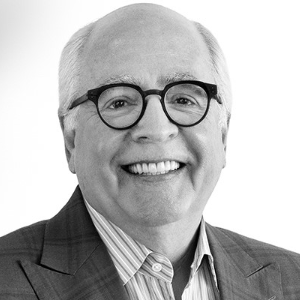
Charles Landry concentrates his practice in the areas of real estate development, real estate finance, land use, and zoning. He has represented numerous parties in a wide range of real estate transactions, which include residential developments (including Traditional Neighborhood Developments), office buildings, shopping malls and centers, hotels and medical facilities, golf course communities, and industrial developments. Charles is also a leader in public-private partnerships in Louisiana, having represented parties in numerous complex projects.
Charles is widely recognized as one of the leading land use attorneys in Louisiana. He was a founding member and has served as the chairperson of the East Baton Rouge Zoning Advisory Committee from its formation in 2003 to 2017.
He has also been very involved in advancing Greater Baton Rouge’s high-tech, information, and entrepreneurial economic sector. He was instrumental in the formation of the Louisiana Technology Park and serves as general counsel to the Research Park Corporation.
Additionally, Charles has significant experience representing non-profit entities on issues related to mission, structure, and governance.
Charles is the co-editor of The Foreign Investor’s Guide to the Legal Aspects of Doing Business in Louisiana, an extensive analysis of the laws of the United States and the State of Louisiana as those laws may impact a party wishing to invest in Louisiana. He also serves on the Baton Rouge Area Foundation’s Governance Committee. Charles is the past vice chairperson of the LSU University Lakes Restoration Committee.
He has been a frequent lecturer at LSU’s Paul M. Hebert Law Center and has led numerous continuing education seminars on the subjects of complex real estate transactions, title examination, land use planning, secured transactions, and real estate workouts.
Charles was honored by the Baton Rouge Area Foundation as the winner of the 2020 Marcia Kaplan Kantrow Baton Rouge Visionary award for using his skills and determination to implement the master plan for downtown Baton Rouge. Charles helped the state consolidate its rented spaces into state-owned Art-Deco inspired buildings on North Street. He was also central to the expansion of downtown hotels, beginning with the success of the Capital House Hotel. Charles was also an early proponent of and the legal mind behind much of the Arts Block, including its early anchor, the Shaw Center for the Arts, and the many new restaurants and apartments that followed. BRAF selects award winners whose vision and action fosters smart growth of the Capital Region based on New Urbanist principles.