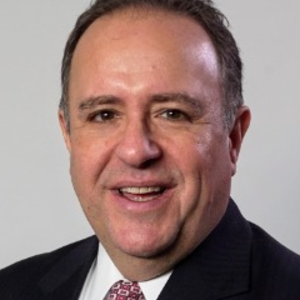
 Recognized in Best Lawyers since 2018
 A native of the LaGrange, Illinois, Brad graduated from Lyons Township High School and then received his Bachelors of Science degree from the University of North Alabama where he double majored in Business Management and Political Science. While there he was elected and served as president of the Student Government Association during both his junior and senior years.He thereafter attended Cumberland School of Law at Samford University where he was awarded a Juris Doctorate degree. Prior to commencing legal practice, Brad served one-year clerkships each with the United States Trustee for the Northern District of Alabama, Billy J. Rivers, and United States District Judge for the Northern District of Alabama, E. B. Haltom, Jr. Brad is a principal of each of the Bond & Botes law offices which are located in Alabama, Mississippi, and Tennessee. He is licensed to practice law in Alabama, Mississippi, Tennessee and Illinois. Brad is also admitted to practice before various United States District Courts, the United States Court of Appeals for the Eleventh Circuit and the United States Supreme Court. A member of the National Association of Consumer Bankruptcy Attorneys since its inception, Brad has served as a member of its Board of Directors and as its first full time Executive Director. He has lectured on various bankruptcy topics to local and national gatherings of bankruptcy attorneys, trustees and judges.Brad has been named as a Best Lawyer in America, a Birmingham “Top Lawyer” by B Metro magazine and has earned a Superb Rating of 10 by Avvo . He is Board Certified in Consumer Bankruptcy Law by the American Board of Certification. While not practicing law, Brad has served as a member of the Board of Directors of the Big Brothers Big Sisters of Greater Birmingham, the Crisis Center of Birmingham, the Alabama Head Injury Foundation and the Alabama Coalition against Rape. He currently resides in Birmingham, Alabama with his wife of 30 year, Kaye.
Bond & Botes Offices: