Insight

Wrongful Death: A Guide for Survivors

Wrongful Death: A Guide for Survivors

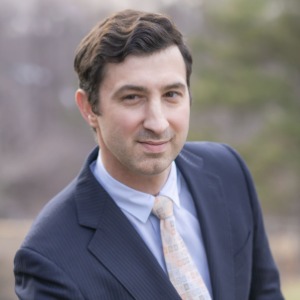
Adam J. Langino

Adam J. Langino

August 24, 2022 01:07 PM

Wrongful Death: A Guide for Survivors

By Adam J. Langino, Esq.

Introduction

If a person is killed by the negligence of another in North Carolina or Florida a wrongful death lawsuit may be brought against the responsible party. The statute of limitations to bring a lawsuit in both states is two years from the date of death. That means that if a lawsuit is not filed by that time, then a wrongful death claim cannot be brought – regardless of the circumstances. The following may be helpful if you are contemplating filing a wrongful death lawsuit in either state.

Opening an Estate

If the injured party has died, an estate must be opened. In a wrongful death action, the correct legal party is the Personal Representative of the Estate. An estate is typically opened at the local county courthouse where the deceased person resided before their death. Usually, a spouse is the proper person to open an estate. If the decedent was not married, the appropriate person is typically the deceased’s parent or adult child. Many courthouses have a dedicated clerk to help families with the process of opening an estate. As you can see below, the process can be complicated. Often, I recommend my clients consult with an estate attorney to assist them in opening and administering an Estate.

North Carolina

Under North Carolina’s wrongful death act, recoverable damages include expenses for care, treatment, and hospitalization incident to the injury resulting in death, pain and suffering of the decedent, funeral expenses, and the present monetary value of the decedent to descendants for net income, services, care, protection, society, companionship, comfort, and guidance. According to North Carolina’s intestate rules, if the decedent dies intestate (i.e., without a will), any recovery is paid as follows:

  • Surviving spouse, but no children: The spouse gets 100% of any recovery

  • Surviving spouse and one child: The spouse gets the first $60,000 of any recovery, and then the spouse and child split the remaining amount in half.

  • Surviving spouse and two children: The spouse gets the first $60,000 of any recovery, and then the spouse and children each get one-third of any remainder.

  • Surviving Spouse and more than two children: The spouse gets the first $60,000 of any recovery, and then the spouse receives one-third of any remainder, and each child gets an even share of the remaining two-thirds.

  • No spouse, but there are children: The children split it evenly.

  • No spouse and no children: The living parents split it evenly.

  • No spouse, no children, and no living parents: The living siblings split it evenly.

In North Carolina, medical expenses and funeral expenses are also recoverable in a wrongful death lawsuit. The statute of limitations to file a wrongful death lawsuit is two years from the date of death. If that deadline is not met, then a lawsuit may never be filed. Sometimes a minor child is a person who will recover. If that happens, then any recovery made by that child must be approved by the court. Typically, that requires a court hearing with a judge. Often, the Court requires that the recovery be placed in a trust for the benefit of the minor child until the child reaches the age of majority.

Florida

Under Florida’s wrongful death act, each survivor may recover the value of lost support and services from the decedent’s injury to their death, with interest, and future loss of support and services from the date of death reduced to present value. A “survivor” means the decedent’s spouse, children, parents, and, when partly or wholly dependent on the decedent for support or services, any blood relatives and adoptive brothers and sisters. It includes the child born out of wedlock of a mother, but not the child born out of marriage of the father unless the father has recognized a responsibility for the child’s support.

A decedent’s surviving spouse may also recover for loss of the decedent’s companionship and protection and for mental pain and suffering from the date of injury. Minor children of the decedent, and all children of the decedent if there is no surviving spouse, may also recover for lost parental companionship, instruction, and guidance and for mental pain and suffering from the date of injury. Each parent of a deceased minor child may also recover for mental pain and suffering from the date of injury. Typically, attorneys refer to these types of damages as non-economic damages.

  • Surviving spouse, but no children: The surviving spouse may also recover for loss of the decedent’s companionship and protection and for mental pain and suffering from the date of injury.

  • Surviving spouse, and minor children: Minor children of the decedent may also recover for lost parental companionship, instruction, and guidance and for mental pain and suffering from the date of injury.

  • No surviving spouse, and children: All children of the decedent if there is no surviving spouse, may also recover for lost parental companionship, instruction, and guidance and for mental pain and suffering from the date of injury.

  • Deceased minor, and parents: Each parent of a deceased minor child may also recover for mental pain and suffering from the date of injury.

  • Deceased adult, no spouse, no children: Each parent of an adult child may also recover for mental pain and suffering if there are no other survivors.

In Florida, medical or funeral expenses due to the decedent’s injury or death may be recovered by a survivor who has paid them. Finally, the personal representative may recover for an estate the loss of earnings of the deceased from the date of injury to the date of death, less lost support of survivors excluding contributions in kind, with interest. Further, loss of the prospective net accumulations of an estate, which might reasonably have been expected but for the wrongful death, reduced to present money value, may also be recovered in certain situations.

In Florida, the statute of limitations is two years from the date of death to file a wrongful death lawsuit. If that deadline is not met, then a lawsuit may never be filed. Sometimes a minor child is a survivor that recovers. Typically, court approval is required. Further, the money is placed into trust for the minor child until he or she reaches the age of majority.

Conclusion

I am sorry if you are reading this because someone your love was killed by the negligent acts of another. I hope that you found the above helpful. As you can see, wrongful death claims are complicated. That is why it is critical to retain an experienced lawyer to help you navigate these types of claims. Over my career, I have handled many wrongful death claims and I am licensed to practice law in Florida and North Carolina and co-counsel claims in other states. If you would like to learn more about me or my practice, click here. If you want to request a free consultation, click here. As always, stay safe and stay well.

Related Articles

IN PARTNERSHIP

When the Result Means Everything


by Lyons & Simmons

Michael Lyons and Christopher Simmons, Texas-based trial attorneys and founders of the firm Lyons & Simmons, are dedicated to finding justice for their clients.

Two suited lawyers walk side by side while talking

IN PARTNERSHIP

Making A Meaningful Difference in Clients Lives: Scarlett Law Group


by Paul Powell

Two individuals standing in front of a car accident, assessing the damage

IN PARTNERSHIP

Trial Lawyers Protect Employees, Make Workplaces Safer


by Esquire Bank

Trial lawyers Jeffrey Laffey and Sean Flaherty fight hard for injured workers because of their own personal experiences with the aftermath of workplace injuries.

Workplace safety trial lawyers Jeffrey Laffey of LBDRR and Sean Flaherty of KLG

IN PARTNERSHIP

How a Trial Lawyer Overcame Adversity and Is Paying It Forward


by Esquire Bank

After fighting to take the bar exam, Matt Nakajima continues to beat the odds for his clients as a personal injury trial lawyer, winning millions in settlements.

Matt Nakajima, a personal injury attorney at Rittgers Rittgers & Nakajima

IN PARTNERSHIP

Civil Litigation: How Trial Lawyers’ Efforts Help Communities


by Esquire Bank

There are many upfront costs when trying cases on a contingency fee model. However, Reza Torkzadeh is willing to fight to get the justice his clients deserve.

Civil case attorney, Reza Torkzadeh of TorkLaw

The Push and Pitfalls of New York’s Attempt to Expand Wrongful Death Recovery


by Elizabeth M. Midgley and V. Christopher Potenza

The New York State Legislature recently went about updating certain wrongful death provisions and how they can be carried out in the future. Here's the latest.

Red tape blocking off a section of street

IN PARTNERSHIP

Easton & Easton: Let Our Family Help Yours


by Justin Smulison

For more than 50 years, Easton & Easton have continued to be the go-to trial law firm for injury and wrongful death claims in Southern California in 2023.

Group of lawyers pose at table with globe in forefront

The Tragic Limitations of New York’s Outdated Wrongful Death Law


by David Scher

New York might be a progressive state in many respects, but its wrongful death law is itself a regressive tragedy—essentially the same statute first passed in the mid-1800s—that prolongs and deepens grieving families’ suffering. This must change.

Grieving person sitting on park bench in front of ocean and storm

Building a Safer Culture


by Stephen J. Murphy

More construction workers die on the job in the U.S. than in any other occupation, yet rules and regulations are often honored more in the breach than the observance. Here’s an overview—and a blueprint for change.

Construction worker on high rise building above city

IN PARTNERSHIP

Leadership and Commitment


by Justin Smulison

Malone Law leader and 2016 Medical Malpractice Law – Plaintiffs “Lawyer of the Year” Adam Malone discusses how his success transcends the courtroom and helps strengthen public and legal communities.

Suited man standing with arm resting on table

IN PARTNERSHIP

Protecting the Public: Burg Simpson


by Justin Smulison

Burg Simpson founder and three-time Best Lawyers® “Lawyer of the Year” honoree Michael S. Burg discusses the impact of the firm’s national cases and how its trial lawyers continue to add to the firm’s 45-year legacy.

Lawyers pose for headshot with black background

IN PARTNERSHIP

What is The Grieving Families Act (2022)?


by Michael L. Taub

Best Lawyers honoree Michael Taub explains The Grieving Families Act and what it means for wrongful death and malpractice cases in New York.

Image of grieving person on blue background

We Are Women, We Are Fearless


by Deborah S. Chang and Justin Smulison

Athea Trial Lawyers is a female owned and operated law firm specializing in civil litigation, catastrophic energy, wrongful death and product liability.

Athea Trial Lawyers smile for a law firm photo

Kelley|Uustal: A Firm Like No Other


by Kelley|Uustal

Florida firm Kelley|Uustal navigates the importance of client representation and the hard-fought personal injury battles that the firm has taken on over the years.

Image of Florida's Kelley|Uustal Law Firm from the front

A Historic Settlement and the Start of Sweeping Change


by Justin Smulison

Koskoff Koskoff & Bieder made U.S. history in 2022 by securing a landmark wrongful death settlement on behalf of the families of Sandy Hook Elementary shooting victims. That trailblazing result demonstrated the breadth and depth of the firm’s experience and practice areas. The work continues, as the firm prepares for a related, high-profile defamation trial in the fall.

Koskoff Koskoff & Bieder Law Firm poses for group law firm attorney

Helpful Hints & Avoidable Mistakes


by Frank L. Branson

I’ve picked up a lot in the courtroom in five decades of practice. Here are some strategies, tips and other pointers to help make your trial experience smoother—and successful.

Frank Branson trying a personal injury case in a court setting

Trending Articles

2026 Best Lawyers Awards: Recognizing Legal Talent Across the United States


by Jamilla Tabbara

The 2026 editions highlight the top 5% of U.S. attorneys, showcase emerging practice areas and reveal trends shaping the nation’s legal profession.

Map of the United States represented in The Best Lawyers in America 2026 awards

Gun Rights for Convicted Felons? The DOJ Says It's Time.


by Bryan Driscoll

It's more than an administrative reopening of a long-dormant issue; it's a test of how the law reconciles the right to bear arms with protecting the public.

Firearms application behind jail bars

2026 Best Lawyers Awards in Canada: Marking 20 Years of Excellence


by Jamilla Tabbara

Honoring Canada’s most respected lawyers and spotlighting the next generation shaping the future of law.

Shining Canadian map marking the 2026 Best Lawyers awards coverage

Revealing the 2026 Best Lawyers Awards in Germany, France, Switzerland and Austria


by Jamilla Tabbara

These honors underscore the reach of the Best Lawyers network and its focus on top legal talent.

map of Germany, France, Switzerland and Austria

Best Lawyers 2026: Discover the Honorees in Brazil, Mexico, Portugal, South Africa and Spain


by Jamilla Tabbara

A growing international network of recognized legal professionals.

Map highlighting the 2026 Best Lawyers honorees across Brazil, Mexico, Portugal, South Africa and Sp

How to Sue for Defamation: Costs, Process and What to Expect


by Bryan Driscoll

Learn the legal standards, costs and steps involved when you sue for defamation, including the difference between libel and slander.

Group of people holding papers with speech bubbles above them

Build Your Legal Practice with Effective Online Networking


by Jamilla Tabbara

How thoughtful online networking supports sustained legal practice growth.

Abstract web of connected figures symbolizing online networking among legal professionals

Algorithmic Exclusion


by Bryan Driscoll

The Workday lawsuit and the future of AI in hiring.

Workday Lawsuit and the Future of AI in Hiring headline

Blogging for Law Firms: Turning Content into Client Connections


by Jamilla Tabbara

How law firms use blogs to earn trust and win clients.

Lawyer typing blog content on laptop in office

Reddit’s Lawsuit Could Change How Much AI Knows About You


by Justin Smulison

Big AI is battling for its future—your data’s at stake.

Reddit Anthropic Lawsuit headline

How to Choose a Good Lawyer: Tips, Traits and Questions to Ask


by Laurie Villanueva

A Practical Guide for Your First-Time Hiring a Lawyer

Three professional lawyers walking together and discussing work

The 2026 Best Lawyers Awards in Chile, Colombia and Puerto Rico


by Jamilla Tabbara

The region’s most highly regarded lawyers.

Map highlighting Chile, Colombia and Puerto Rico for the 2026 Best Lawyers Awards

Common-Law Marriage in Indiana: Are You Legally Protected?


by Laurie Villanueva

Understanding cohabitation rights and common-law marriage recognition in Indiana.

Married Indiana couple in their home

Why Jack Dorsey and Elon Musk Want to 'Delete All IP Law'


by Bryan Driscoll

This Isn’t Just a Debate Over How to Pay Creators. It’s a Direct Challenge to Legal Infrastructure.

Elon Musk and Jack Dorsey standing together Infront of the X logo

AI Tools for Lawyers: How Smithy AI Solves Key Challenges


by Jamilla Tabbara

Understand the features and benefits within the Best Lawyers Digital Marketing Platform.

Legal professional editing profile content with Smithy AI

Alimony Explained: Who Qualifies, How It Works and What to Expect


by Bryan Driscoll

A practical guide to understanding alimony, from eligibility to enforcement, for anyone navigating divorce

two figures standing on stacks of coins