
Medical malpractice occurs when a licensed medical professional fails to meet the accepted standard of care and that lapse causes a patient’s injury. Not every medical error qualifies and not every bad outcome results from negligence.
What is considered medical malpractice focuses on whether a provider acted below professional expectations and whether that failure produced measurable harm. When those elements align, an injured person may be able to prove their injuries were caused by medical malpractice and receive damages.
- Medical malpractice occurs when patient harm results from care that falls below accepted standards. Not all bad outcomes constitute malpractice.
- Claims require proving duty of care, breach, causation and damages. Each step involves detailed evidence and expert analysis.
- Understanding common malpractice examples aids prevention and mitigation; early legal consultation may help protect your rights.
- Explore opportunities to connect with top-reviewed lawyers for expertise navigating medical malpractice complexities.
What Is Considered Medical Malpractice?
Medical malpractice occurs when a licensed medical professional provides care that falls below the accepted standard of care and that deviation causes injury. The standard of care represents the level of skill, knowledge and judgment that a reasonably competent provider would have used under the same circumstances.
Malpractice is a legal form of professional negligence. All malpractice involves negligence, but not all negligence leads to a viable malpractice claim because the law requires specific proof of breach, causation and damages.
The Legal Elements of a Medical Malpractice Claim
Every malpractice claim relies on four components that define liability in medical litigation. These elements reflect today’s standards for evaluating professional conduct, medical decision-making and patient harm.
Duty of Care
Duty arises when a provider-patient relationship forms. This relationship begins when a provider agrees to examine, diagnose or treat a patient, whether in a hospital, clinic or telehealth setting. Once that relationship exists, the provider must act with the skill and judgment expected of their profession.
Breach of the Standard of Care
A breach occurs when a provider’s actions fall below what a capable professional would reasonably do in the same situation. The standard of care is shaped by clinical guidelines, scientific research, diagnostic tools, technology and expert interpretation of current medical practice. It is not based on a patient’s expectations but on what qualified professionals consider safe and appropriate care under comparable conditions.
Causation
Causation requires showing that the breach directly resulted in the patient’s injury. This means distinguishing between harm caused by the provider’s conduct and harm that would have occurred regardless of the provider’s choices. Establishing causation often involves detailed timelines, expert medical analysis and comparisons of what likely would have happened with proper care.
Damages
Damages reflect the real-world impact of malpractice. This includes economic losses such as additional treatment costs or missed work, along with noneconomic losses like pain, suffering or diminished quality of life. Malpractice cases often rely on medical records, billing data and expert assessments to measure the extent of these injuries.
Medical Negligence vs Medical Malpractice
Medical negligence is a failure to exercise reasonable care. Medical malpractice is a specific type of negligence that occurs within a professional medical context and results in patient injury.
Negligence alone is not enough for a malpractice claim. Patients must show that the provider breached the standard of care and that the breach caused harm to them.
The distinction matters because it determines what must be proven and how a case is analyzed. Patients may experience delays, communication issues or unsatisfying care that reflects negligence but does not meet the legal threshold for malpractice.
Common Examples of Medical Malpractice
The following categories reflect common scenarios where medical malpractice claims arise.
- Misdiagnosis or Delayed Diagnosis: A provider may diagnose the wrong condition, fail to recognize symptoms or delay testing, leading to worsening illness. Diagnosis errors can become malpractice when a competent provider would have identified the issue earlier.
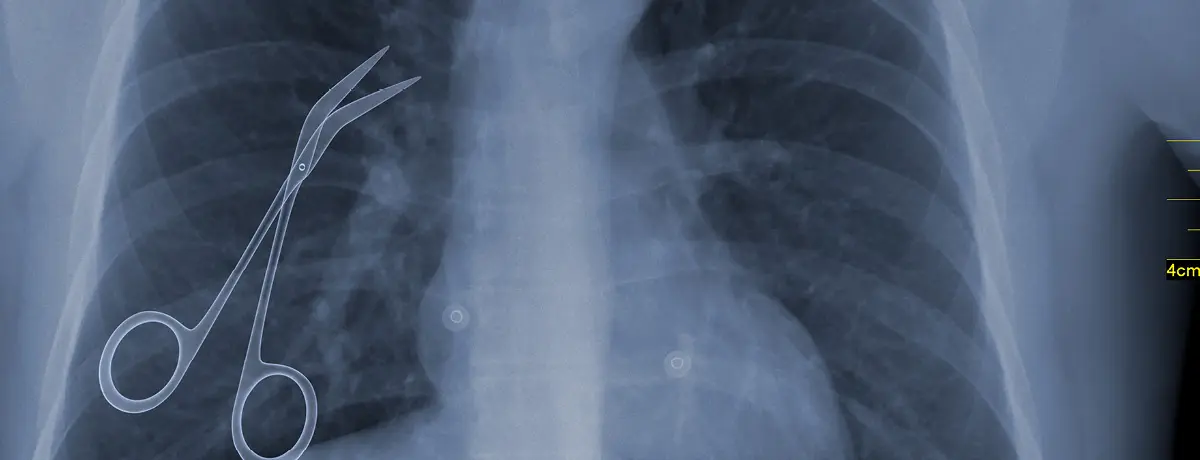
- Surgical Errors: Examples include operating on the wrong site, leaving instruments inside a patient or failing to monitor vital signs. Surgical errors often stem from lapses in communication or protocol.
- Medication Errors: Incorrect prescriptions, dosage mistakes or interactions that should have been avoided fall into this category. Medication errors can occur at any point, including prescribing, dispensing or administering.
- Birth Injuries: Improper fetal monitoring, delayed cesarean delivery or misuse of delivery tools can lead to injuries for newborns or mothers. Birth injury cases often involve evaluation of the labor and delivery process.
- Failure to Obtain Informed Consent: Patients must be informed of risks, benefits and alternatives before agreeing to treatment. Failure to disclose material risks may constitute malpractice if the undisclosed risk occurs and causes harm.
- Improper Follow-up or Aftercare: Failure to monitor a patient’s progress, review test results or schedule necessary follow-up can lead to preventable complications. Aftercare-related malpractice often involves communication failures.
- Failure to Order Tests or Review Results: A provider may overlook symptoms that warrant testing or fail to act on abnormal results. In these cases, delay plays a crucial role in determining whether harm occurred because of missed opportunities for timely treatment.
What Is Not Considered Medical Malpractice?
Misunderstandings about malpractice are common. Some situations involve poor outcomes or dissatisfaction but do not meet the legal definition of malpractice.
- Known Risks That Occur Despite Proper Care: Every procedure carries risks. If those risks occur even when providers deliver appropriate care, malpractice generally does not apply.
- Poor Outcomes Without Negligence: Medicine cannot guarantee results. Some complications arise even when providers follow all professional standards.
- Side Effects Disclosed During Informed Consent: If a patient was warned of potential side effects and they occur, the outcome alone does not indicate malpractice.
- Patient Noncompliance: If a patient does not follow instructions, attend follow-up appointments or take prescribed medications, resulting complications may not constitute malpractice.
- Differences in Medical Judgment: Providers may disagree on the best approach. If the chosen method is within accepted standards, it is unlikely to be malpractice even if another provider would have acted differently.
How Medical Malpractice Is Proven
A clear evaluation of proving medical malpractice typically involves:
- Reviewing Medical Records: Records provide the baseline for what happened, what decisions were made and how care progressed. They show symptoms, tests, treatments and provider notes that help determine whether the standard of care was met.
- Assessing the Standard of Care Through Experts: Independent medical experts interpret the records and explain what a reasonably competent provider would have done in the same situation. Their analysis helps identify whether the provider’s actions aligned with accepted professional expectations.
- Determining Whether a Breach Occurred: Once the standard of care is established, experts assess whether the provider’s choices deviated from that standard. This may include delayed diagnosis, overlooked symptoms, improper technique or failure to follow established guidelines.
- Evaluating Causation: The process then examines whether the breach directly caused harm. Causation focuses on whether the injury likely would have been avoided with proper care, not simply whether a mistake occurred.
- Documenting Damages: Evidence must show the injury resulted in measurable losses. This evaluation includes medical bills, treatment needs, lost income and the physical or emotional impact of the injury.
Time Limits and Practical Considerations
Medical malpractice claims are subject to strict deadlines known as statutes of limitations. These deadlines vary by state and the time often begins when the injury occurs or when the patient discovers the injury. Because these time limits can be short, timely action is important.
Patients also benefit from gathering medical records early. Hospitals and insurers may review incidents internally, but these reviews may not align with the legal requirements for proving malpractice.
When to Consider Speaking With a Medical Malpractice Lawyer
Because medical malpractice claims require expert analysis and technical proof, many people seek legal counsel when they suspect they were harmed by substandard care. Lawyers help by reviewing medical records, identifying possible breaches of the standard of care and consulting independent medical experts.
Attorneys also handle communication with insurers, evaluate damages and explain whether the evidence supports moving forward. Since what is considered medical malpractice depends on meeting all legal elements, individuals often benefit from professional guidance to understand whether their circumstances meet that threshold.
Common Questions About Medical Malpractice
How do I know if I have a medical malpractice case?
A lawyer can evaluate medical records, consult experts and determine whether the four legal elements of malpractice are present.
Can I sue a hospital and a doctor?
Depending on the facts, claims may involve individual providers, hospitals or both. Liability depends on who owed and breached a duty of care.
What if I signed a consent form?
Consent forms disclose risks but do not excuse negligent care. Malpractice can still occur if a provider acts below accepted standards.
How long does a case usually take?
Timelines vary based on complexity, expert reviews and court procedures. Many cases take several months to several years.
What if the injury appears months or years later?
Some states allow claims based on when the injury is discovered. Deadlines vary by state so make sure you’re contacting a lawyer well before your state’s filing deadline.
Get Help Today
If you believe you or a loved one suffered harm due to substandard medical care, you can explore the Best Lawyers directory to find highly regarded Medical Malpractice Law – Plaintiffs attorneys. Independent peer review helps patients connect with experienced professionals who can provide informed guidance on medical malpractice claims.