Insight

USCIS Increases Screening, Vetting of Aliens Working in U.S.

Published January 27, 2026

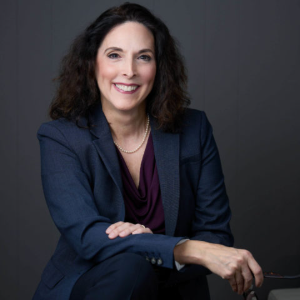
Jacqueline Lentini McCullough

Written by Jacqueline Lentini McCullough

Published: August 6, 2026

USCIS Increases Screening and Vetting of Noncitizens Working in the United States

On January 20, 2025, President Trump issued Executive Order 14159, directing the Department of Homeland Security (DHS) to increase enforcement of the long-standing Alien Registration Requirement (ARR) under Section 262 of the Immigration and Nationality Act (INA). Although the registration requirement has existed for decades, recent guidance and updated U.S. Citizenship and Immigration Services (USCIS) procedures indicate that enforcement efforts are expanding.

As a result, noncitizens living or working in the United States should review whether they are required to register and confirm that they remain in compliance with federal immigration law.

What Is the Alien Registration Requirement?

Federal immigration law requires many noncitizens to register with the U.S. government and, in some cases, submit fingerprints. Registration obligations may apply to individuals who were not previously registered through the visa application or admission process.

Failure to comply with registration requirements may lead to civil or criminal penalties, including fines or possible incarceration.

Who May Be Required to Register?

With limited exceptions, registration may be required for individuals who:

  • Are 14 years of age or older;
  • Were not previously registered and fingerprinted during the visa application process; and
  • Have remained in the United States for 30 days or longer.

Additional obligations may also apply:

  • Parents or legal guardians are generally responsible for registering children under the age of 14;
  • Individuals registered as children may need to re-register within 30 days after turning 14; and
  • Noncitizens age 18 or older are generally required to carry proof of registration at all times.

Updated USCIS Registration Process

USCIS has introduced new procedures intended to facilitate compliance with the Alien Registration Requirement. These include:

  • Form G-325R (Biographic Information – Registration);
  • An online registration process through USCIS; and
  • A USCIS online determination tool designed to help individuals assess whether registration is required.

After registration and fingerprinting, if applicable, DHS may issue evidence of registration.

Additional information regarding the registration process is available through USCIS at: https://www.uscis.gov/alienregistration.

What Registration Does Not Do

It is important to understand that registration does not:

  • Grant lawful immigration status;
  • Provide employment authorization;
  • Create an immigration benefit; or
  • Protect an individual from future immigration enforcement.

Registration is a compliance requirement under federal law and should not be viewed as an immigration remedy.

Potential Consequences for Noncompliance

According to current DHS guidance, failure to comply with the Alien Registration Requirement may result in:

  • Civil penalties;
  • Criminal charges classified as misdemeanors;
  • Monetary fines; and
  • Possible incarceration.

The Executive Order also directs DHS to treat noncompliance as an enforcement priority, increasing the likelihood of additional screening and vetting activity.

Why This Development Matters

For many years, some noncitizens lacked a clear process for completing registration. With the introduction of Form G-325R and updated online procedures, USCIS has signaled that registration options are now more accessible and that enforcement efforts may increase.

Individuals who are uncertain about their registration history, immigration records, or current obligations should review their circumstances carefully to determine whether registration is required.

Questions About Registration Requirements?

The Alien Registration Requirement can raise complex legal and procedural questions, particularly for individuals who may not have previously completed registration or who are uncertain whether an exception applies.

For additional information, contact the Law Office of Jacqueline Lentini, LLC at 630-262-1435 or visit https://lentinivisas.com/contact-us/.


Trending Articles

Recognizing Legal Leaders: The 2027 Best Lawyers Awards in Australia, Japan and Singapore


by Jamilla Tabbara

Market drivers, diversity trends and the elite practitioners shaping the legal landscape.

Illustrated maps of Australia, Japan and Singapore displayed with their national flags, representing

What AI Visibility Means for Lawyers


by Josh Rupall and Bryan Driscoll

AI tools increasingly interpret lawyers public information. Clear, consistent and credible sources help ensure they describe legal expertise accurately.

AI dashboard visualizing a lawyer's online profile, reputation, and practice information across mult

Musk v. Altman: The Lawyers Behind the Case


by Jamilla Tabbara

Meet the Trial Lawyers Shaping One of AI's Biggest Legal Disputes.

Portrait photos of Elon Musk and Sam Altman positioned in front of the OpenAI logo.

Can You Go to Jail at an Arraignment?


by Bryan Driscoll

Understanding What Happens at Your First Court Appearance.

A heavy chain lying on the ground in the foreground with a blurred figure standing in the background

The Best Lawyers in France 2027: Peer-Reviewed Excellence


by Jamilla Tabbara

Seventeen editions of peer trust, a growing profession and a dynamic legal market.

3D Map of France with National Flag Graphic

Announcing the 2027 Best Lawyers Awards: Austria, Germany and Switzerland


by Jamilla Tabbara

Celebrating the legal professionals throughout Central Europe.

Graphic displaying three-dimensional map cutouts of Austria, Germany and Switzerland.

When Is It Too Late to Stop Foreclosure?


by Bryan Driscoll

Understanding the foreclosure timeline, critical deadlines and the legal options that may still protect your home.

Miniature house model on orange background surrounded by thumbtacks representing foreclosure

The Legal Teams Behind the Blake Lively–Justin Baldoni Settlement


by Grace Greer

A closer look at the legal teams and attorneys involved in the Blake Lively–Justin Baldoni litigation and its resolution.

Split-screen image of Blake Lively and Justin Baldoni

How AI Is Changing the Way Clients Find Lawyers


by Jamilla Tabbara

Best Lawyers CEO Phil Greer explains how AI-driven search tools are reshaping legal marketing and why credibility markers matter.

AI chat bubble icon with stars representing artificial intelligence transforming client-lawyer conne

Colorado’s 2026 Water Rights Battles


by Bryan Driscoll

A new era of conflict begins.

Colorado Water Rights 2026: A New Era of Conflict headline

What Disqualifies You From Filing Bankruptcies


by Bryan Driscoll

A guide to navigating eligibility, the means test and the legal hurdles of declaring bankruptcy.

A silhouette of a large hand pushing over a row of falling dominos toward a small figure standing be

What Happens if You Don't File Taxes


by Bryan Driscoll

The penalties are real, but so are your options. Here's what the IRS can do and what you can do about it.

A torn dollar bill revealing a watchful eye, surrounded by flying documents

When to Hire a Tax Attorney


by Bryan Driscoll

Understand the legal triggers, professional differences and strategic benefits of seeking legal counsel for your tax matters.

Flying tax documents symbolizing the stress and urgency of mortgage and foreclosure-related paperwor

New England's Climate Litigation Surge


by Bryan Driscoll

What law firms need to know

New England's Climate Litigation Surge: What Firms Must Know headline

How to Start a Class Action Lawsuit


by Bryan Driscoll

Understanding the legal requirements, costs and process of filing a class action.

A group of miniature figurines standing united behind a bold "Class Action" placard.

What Is a Quitclaim Deed? Uses, Risks and When to Get Help


by Bryan Driscoll

A quitclaim deed can be one of the fastest ways to transfer property but knowing when it's the right tool and when it isn't, can save you from serious legal and financial headaches down the road.

One hand holding a wooden house model and another holding house keys.