Insight

The New Wild West

Artificial intelligence has only just begun upending industries of all kinds. It stands certain to play an exceedingly important role in criminal law as well.

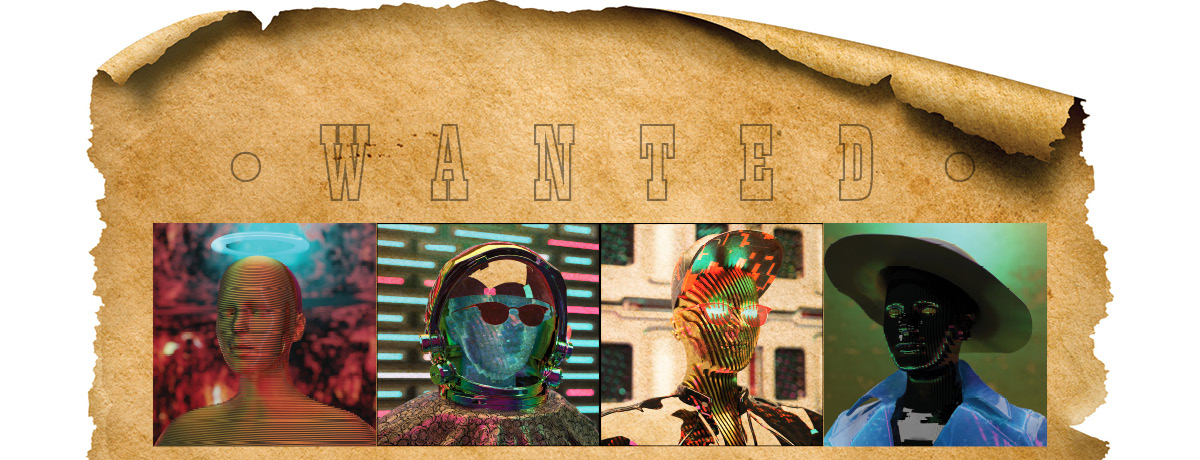
Old Western Wanted Poster with pictures of four colorful AI robots
MP

Mary Frances Palisano

June 10, 2024 12:00 AM

ARTIFICIAL INTELLIGENCE (AI) presents challenging issues for criminal law practitioners. Remember that AI began making widespread headlines in late 2022 with the introduction of ChatGPT, a tool that uses so-called “large language” models to generate text in response to a user query. That platform, though remarkable, scratches just the surface of the possibilities and quandaries of AI.

There has since been a steady increase in platforms that permit the public to use AI to produce not only text but images, audio and video. Clearly, there are societal benefits to certain aspects of AI that we have all seen, including the ability of machine learning to positively affect cancer research and the medical profession’s overall effort to combat disease. But AI also creates countless legal considerations and potential pitfalls, most acutely in criminal law.

The U.S. Department of Justice has been transparent about its plans to use AI techniques to prosecute criminal matters. In this regard, AI can surely enhance efficiency and be a powerful law enforcement tool. Yet there are a number of concerns and risks here as well. The humans who have taught the machines to learn can intentionally or innocently overlook their own biases and ethical shortcomings, producing discriminatory outcomes and inaccuracies. AI can also generate a product with an overall lack of reasoned, coherent policy and without the judgment and independent thought humans provide. Defense attorneys would be wise to monitor the developments described below.

Government’s Approach to AI

AI is emerging in white-collar matters concerning price fixing, market manipulation and fraud. It can be used to create fraudulent images and videos, and any crime that relies on the ability to synthesize vast amounts of data will be affected, both in the way bad actors structure their crimes and the tools law enforcement will use to catch criminals. While some local government agencies are beginning to explore AI, DOJ has recognized that committing crimes and solving them can both be impacted by AI and its uses.

In February 2024, during remarks at Oxford University, U.S. Deputy Attorney General Lisa Monaco addressed openly the evolving concerns with AI and criminal enforcement, highlighting DOJ’s efforts to address AI’s risk to national security and its position on accountability in offenses involving misuse of AI. Monaco expanded on her remarks the next month at the American Bar Association’s 39th National Institute on White Collar Crime, further addressing the rise of AI through existing sentencing guidelines and corporate enforcement programs. In both speeches, she observed that “all new technologies are a double-edged sword—but AI may be the sharpest blade yet. It holds great promise to improve our lives, but great peril when criminals use it to supercharge their illegal activities, including corporate crime.”

Recognizing that “existing laws offer a firm foundation” and noting that DOJ will seek stiffer sentences for offenses made “significantly more dangerous by the misuse of AI,” Monaco also announced “Justice AI,” a series of meetings in which a team of individuals from academia, law enforcement, science and industry will collaborate and prepare for how AI can be used positively while also safeguarding against risks. The team will generate a report by the end of the year to inform President Biden about AI in the criminal justice system.

Perhaps the most significant takeaway from Monaco’s March remarks at the ABA was her reiteration of DOJ’s AI policy and its keen interest in corporate compliance. She emphasized that if Justice is investigating a company, prosecutors will assess its management of its AI-related risks as part of its overall compliance effort and may adjust sentencing guidelines as a result. She added that she “directed the Criminal Division to incorporate assessment of disruptive technology risks—including risks associated with AI—into its guidance on Evaluation of Corporate Compliance Programs.”

Takeaways

Given DOJ’s focus on identifying and prosecuting crimes that rely on AI, criminal defense attorneys should expect to see more AI in federal law enforcement investigations of both individuals and corporations. As the technology continues to develop, criminal trial lawyers must stay abreast of current criminal laws and responsive legislation from Congress regarding it. As one example, Monaco warned that where there is significant misuse of AI in committing a crime, prosecutors will be using sentencing enhancements to seek increased penalties. Of course, this is just the tip of the iceberg.

DOJ will now evaluate a company’s management of AI risks as part of its corporate compliance efforts. Corporations must stay ahead of this emerging area by keeping their compliance procedures updated, implementing protocols to address AI risks and promptly mitigating any problems. Compliance officers would be prudent to seek out everything they can learn about AI in their particular businesses and identify how it could be inappropriately used by rogue insiders or malicious hackers.

As Monaco said, AI is indeed a double-edged sword, and as such, it must be wielded carefully and responsibly. AI has had a nascent, recent and profound impact on society generally and criminal law specifically. This will continue as fraudsters learn how to employ machine learning in their crimes, and as law enforcement gears up to catch these criminals. As the government develops an overall approach to AI, criminal practitioners must monitor DOJ’s statements about it, stay informed about the benefits and pitfalls of the technology, be proactive in testing its boundaries and help clients identify when to test the limits of AI as part of a trial strategy. Stay tuned—it really is the Wild West out there.


Headline Image: istock/ Andrey_Kuzmin, Sebastian Hernandez

Related Articles

Sarah R. London: Standing Up to Injustice Since Day One


by Justin Smulison

The Girard Sharp partner on steering multi-million-dollar litigation, and what it took to remain in the pilot seat while overcoming her own health challenges.

Sarah R. London head

This Land Is . . . Someone’s Land: Recent Disputes Involving Energy Transition Projects


by Meghan Dawson McElvy

Recent growth in renewable energy and energy transition projects across the United States has sparked disputes among a variety of interested parties—and augurs plenty of contentious litigation in the years ahead.

Windmills in front of a setting sun

Recruiting, Raising and Retaining the Next Generation


by LaVon M. Johns and Patricia Brown Holmes

Animated figures putting massive puzzle together

Generation Gaps


by Victoria Brenner

A major case upended aspects of grandparents’ disputed visitation rights regarding their grandchildren. 20 years on, where do laws around the country stand?

Child with hands over older man's eyes

Beyond the Billables


by Michele M. Jochner

In a recently conducted, comprehensive study, data reveals a plethora of hidden realities that parents working full-time in the legal industry face every day.

Woman in business attire pushing stroller takes a phone call

Woman on a Mission


by Rebecca Blackwell

Baker Botts partner and intellectual property chair Christa Brown-Sanford discusses how she juggles work, personal life, being a mentor and leadership duties.

Woman in green dress crossing her arms and posing for headshot

Shifting Risks in Renewable Energy


by Monica Wilson Dozier

Development of renewable energy projects is expanding at an unprecedented pace. But a burgeoning industry brings a host of legal considerations along for the ride. Here’s what counsel needs to keep in mind.

A Money Plug Connecting with an Energy Plug

Best Lawyers Celebrates Women in the Law: Ninth Edition


by Alliccia Odeyemi

Released in both print and digital form, Best Lawyers Ninth Edition of Women in the Law features stories of inspiring leadership and timely legal issues.

Lawyer in green dress stands with hands on table and cityscape in background

A Beautiful Mind: Motown Beginnings, Top Dealmaker


by Sara Collin

Motown scion Farah Fakir Cook has achieved her own stardom away from the klieg lights, helping clients navigate ever-changing currents in intellectual property and technology. One crucial topic looms especially large for her in the years ahead: How current law will contend with the rise of artificial intelligence.

Woman wearing pink suit standing against desk

Crucial Alliances


by Jane E. Young

Workplaces everywhere have changed since the start of the pandemic in ways that can be highly beneficial to women. Here’s a road map for consolidating recent gains—and making the most of them going forward.

Woman at desk working with roadmap behind her

Progress and Potential


by Michele M. Jochner

Women have undeniably made great strides in our profession in recent decades, but much remains to be done. What’s the current state of the industry, what lies ahead—and what do lawyers (male and female alike) say are the most important issues going forward

Watercolor image of person on a mountain looking at night sky

The Breadwinner


by Courtney E. Ervin

Two lawyers, one big life decision: How my husband and I are working to eradicate the stigma of putting my career first.

Silhouette of women in suit stands in the middle of equal scale

Top of the Mountain


by LaVon M. Johns and Patricia Brown Holmes

Making partner, ginning up huge business, earning peer respect and industry influence are laudable goals—but it’s important to pursue them methodically and mindfully. One dynamic duo who have reached the mountaintop show how it’s done.

Red flag sitting on the top of a mountain summit

Canadian Women in the Legal Profession: From Non-‘Persons’ to Chief Justices


by Sara Collin

We take an in-depth look at the challenges and optimistic future of women in the Canadian legal sector.

Purple background with green lines and lady liberty in the center

The Future of Litigation Is Changing for Female Solicitors in the U.K.


by Catherine Baksi

The support of entire law firms, organizations and senior counsel members will be the key to encouraging female solicitors and positive change in the industry.

Multiple people standing in an office building with blurred glass

New Sheriff in Town on ESG


by Patricia Brown Holmes

Various regulatory agencies within the Biden Administration are stepping up enforcement of corporate malfeasance in the ever-trendy ESG space.

Blue wall with two markers painting on it

Trending Articles

2026 Best Lawyers Awards: Recognizing Legal Talent Across the United States


by Jamilla Tabbara

The 2026 editions highlight the top 5% of U.S. attorneys, showcase emerging practice areas and reveal trends shaping the nation’s legal profession.

Map of the United States represented in The Best Lawyers in America 2026 awards

Gun Rights for Convicted Felons? The DOJ Says It's Time.


by Bryan Driscoll

It's more than an administrative reopening of a long-dormant issue; it's a test of how the law reconciles the right to bear arms with protecting the public.

Firearms application behind jail bars

2026 Best Lawyers Awards in Canada: Marking 20 Years of Excellence


by Jamilla Tabbara

Honoring Canada’s most respected lawyers and spotlighting the next generation shaping the future of law.

Shining Canadian map marking the 2026 Best Lawyers awards coverage

Revealing the 2026 Best Lawyers Awards in Germany, France, Switzerland and Austria


by Jamilla Tabbara

These honors underscore the reach of the Best Lawyers network and its focus on top legal talent.

map of Germany, France, Switzerland and Austria

Best Lawyers 2026: Discover the Honorees in Brazil, Mexico, Portugal, South Africa and Spain


by Jamilla Tabbara

A growing international network of recognized legal professionals.

Map highlighting the 2026 Best Lawyers honorees across Brazil, Mexico, Portugal, South Africa and Sp

How to Sue for Defamation: Costs, Process and What to Expect


by Bryan Driscoll

Learn the legal standards, costs and steps involved when you sue for defamation, including the difference between libel and slander.

Group of people holding papers with speech bubbles above them

Build Your Legal Practice with Effective Online Networking


by Jamilla Tabbara

How thoughtful online networking supports sustained legal practice growth.

Abstract web of connected figures symbolizing online networking among legal professionals

Algorithmic Exclusion


by Bryan Driscoll

The Workday lawsuit and the future of AI in hiring.

Workday Lawsuit and the Future of AI in Hiring headline

Blogging for Law Firms: Turning Content into Client Connections


by Jamilla Tabbara

How law firms use blogs to earn trust and win clients.

Lawyer typing blog content on laptop in office

Reddit’s Lawsuit Could Change How Much AI Knows About You


by Justin Smulison

Big AI is battling for its future—your data’s at stake.

Reddit Anthropic Lawsuit headline

How to Choose a Good Lawyer: Tips, Traits and Questions to Ask


by Laurie Villanueva

A Practical Guide for Your First-Time Hiring a Lawyer

Three professional lawyers walking together and discussing work

The 2026 Best Lawyers Awards in Chile, Colombia and Puerto Rico


by Jamilla Tabbara

The region’s most highly regarded lawyers.

Map highlighting Chile, Colombia and Puerto Rico for the 2026 Best Lawyers Awards

Common-Law Marriage in Indiana: Are You Legally Protected?


by Laurie Villanueva

Understanding cohabitation rights and common-law marriage recognition in Indiana.

Married Indiana couple in their home

Why Jack Dorsey and Elon Musk Want to 'Delete All IP Law'


by Bryan Driscoll

This Isn’t Just a Debate Over How to Pay Creators. It’s a Direct Challenge to Legal Infrastructure.

Elon Musk and Jack Dorsey standing together Infront of the X logo

AI Tools for Lawyers: How Smithy AI Solves Key Challenges


by Jamilla Tabbara

Understand the features and benefits within the Best Lawyers Digital Marketing Platform.

Legal professional editing profile content with Smithy AI

Alimony Explained: Who Qualifies, How It Works and What to Expect


by Bryan Driscoll

A practical guide to understanding alimony, from eligibility to enforcement, for anyone navigating divorce

two figures standing on stacks of coins