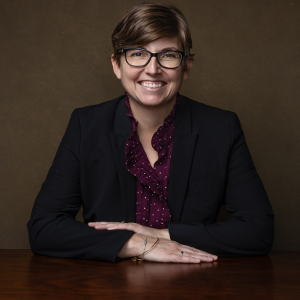

Scott A. Malm joined Gust Rosenfeld P.L.C. in 1996, rising from the ranks of law clerk to partner and member of the Executive Committee. His deep legal knowledge and knack for creative solutions on behalf of clients have driven the growth of the firm’s real estate practice, further solidifying its impeccable reputation for client service and professionalism in Arizona.
Malm has been recognized by Best Lawyers® annually since 2020 for Real Estate Law in Phoenix, Arizona and contributes to Gust Rosenfeld’s Real Estate practice, being one of the firm’s nine groups ranked Tier 1 in Phoenix by Best Law Firms® in 2024.
He spoke about how his advocacy on behalf of title insurance companies and his collaborative nature have solved complex title disputes and prevented costly litigation.
An Interview with Scott A. Malm
Best Lawyers: Scott, how can title insurance issues impact a person or organization?
Scott Malm: When an individual or entity wants to buy a property, they probably gloss over the term “title insurance” as a line item on their escrow documents. They usually have no idea what it is until they have a problem. That’s when I enter the conversation to help resolve the real estate dispute, whether it be a boundary line dispute or a fight about lien priority. The title insurance companies hire me to represent the property owner or lender and solve the problem. That’s why I like to tell clients, “I’m the best lawyer you will never have to pay for.”
BL: Shouldn’t title companies be aware of these issues before someone buys or leases property?
SM: Ideally, yes. But mistakes happen and sometimes go uncorrected for years, decades or even generations—especially if properties are passed down from relatives. I may be biased because I help the title companies, but having collaborated with them for more than 25 years, I can attest to the fact that they care about fixing problems. They want clarity in the records. And they need dispute resolution experts like myself and the professionals in Gust Rosenfeld’s real estate practice to help correct title issues.
BL: Do you litigate real estate disputes?
SM: I can, but my goal is to reach the most cost-effective solution. Litigation is one option, but it is costly and time-consuming. A case filed today may not go to trial for two years, and then you have years more if an appeal is filed. I am not motivated by long, drawn-out legal battles. If we go to court, I often cite cases in which prior Gust Rosenfeld attorneys were involved. We recently celebrated the firm’s 103rd anniversary—we’re one of the oldest and most established firms in Arizona—and have been representing title insurance companies since day one.
BL: What is a misconception about title insurance you’d like to dispel?
SM: The idea that because you have a title company involved or because you have a title insurance policy, you won’t have a problem with the property. This is similar to having fire insurance in that it’s not a guarantee that problems will not occur. But if a covered title defect arises, then the title company hires me to fix the record. This harkens back to the idea of cleaning up title records and improving the system in Arizona.
BL: “Real estate disputes” may not immediately conjure images of gripping legal dramas, but they can be surprisingly intense. What are some standout matters that you have encountered?
SM: Boundary disputes are very emotional for neighbors. They can bring out the worst in people. Several years ago, I met with a potential client who did not hire me for a boundary dispute, and a local newspaper later reported that she shot her neighbor over the same issue. In an access case, one neighbor lined the other neighbor’s driveway easement with work gloves on poles with four fingers taped down, leaving one-finger salutes for his neighbor to see every time he drove home.
BL: How about on the commercial side?
SM: Following the financial crisis of the Great Recession, lenders in Arizona fought with contractors about major projects in which the developers had gone bankrupt. In some cases, the lender and contractors were owed tens of millions of dollars, with the property being worth only a fraction of what was owed.
I can look out the windows of Gust Rosenfeld’s office in Phoenix and point to about 10 different high-rise buildings involved in such disputes. The title companies hired me to represent the lenders against the contractors to determine who had the first priority to foreclose and recover at least some of their investment. Those cases generated many published court opinions, which settled important legal issues in Arizona.
BL: You seem to be an Arizona history buff.
SM: Having lived in Arizona all my life, I enjoy researching old real estate records, surveys and photos. This knowledge also helps bring perspective for clients who are not as familiar with Arizona. We’re seeing many companies headquartered elsewhere but expanding into Arizona and need local counsel who has an understanding of the history of the land in dispute.
BL: How is economic health a factor in property disputes?
SM: When the economy is good, and values are rising, resolution is a lot easier because there's enough money to spread around to satisfy the competing demands.
Conversely, when the economy is bad, and property values are shrinking, the pie gets smaller, and people often fight harder to make sure they get their piece. That was the scenario during the Great Recession.
BL: Keeping the discussion apolitical, how would you characterize the U.S. economy’s health in Q1 2024?
SM: It seems like it has changed the last two years. I can often tell when the economy is moving in different directions. When the economy is good, developers are buying property and access issues start to become the primary title insurance claims. After they buy the property and start to develop it, they suddenly realize what was thought to be a road—because it is paved or because of a traffic sign—is not actually a legally recognized road. I help them get access so they can continue development.
When the economy trends downward, that's when lien priority disputes arise because the lenders are now jockeying for their foreclosure priority. We have been seeing more lien priority disputes in recent times.
BL: How has your collaborate-first philosophy impacted your reputation?
SM: I call myself a dispute resolutionist. I’m not being boastful, but the Arizona real estate dispute bar is a pretty tight community. Many of my peers know that I can wear the litigation hat if necessary, but the negotiation hat gets results more efficiently. That reputation speaks for itself. I like to think of myself and the Gust Rosenfeld real estate team as respected professionals who find reasonable resolutions.