This article was first published in the Best Lawyers Family Law 2021 publication on 12/20/21.
Becoming a foster or adoptive parent for an LGBTQ child or young adult is a commitment to building awareness, unlearning gender roles, staying curious and allyship. In 2011 and again in 2015, the Williams Institute determined that almost 40% of homeless youth identify as LGBTQ. This statistic sparked many queer community organizers to enter the market in response, aimed at offering support to our community’s children. Organizations like True Colors United are dedicated to this motivation and serve as resources, offering educational videos for caregivers and even starter kits to support the LGBTQ youth in becoming advocates and leaders in the service of their community.
In America and particularly in the foster care system, I have seen a new era in which adults, together with our youth, are working to co-create the world to be safe and affirming for the unique humans who are also Lesbian, Bisexual, Gay, Transgender, Queer/Questioning and Gender-Non-Conforming.
Our First Step is Building Awareness Via Learning
This starts by unlearning, then doing a lot of relearning. Buckle up for a new vocabulary and rich culture. Unlearning is a process of awareness that grows over time (which means practice and lots of failures). You’ll stumble over pronouns and forget what “demiromantic” means, and a teenager will roll their eyes and tease you.
Then, gradually, slowly, how you view the world will shift. You begin to recognize that the gender ideals that our culture holds are rigid, intolerant and harm the child or young person in your care. This subtle understanding of “the gender rules” often results in rejection as protection, wherein a parent, often motivated by fear and love, will reject a young LGBTQ person and force the child into the foster-care system. A report from the Children’s Rights Organization found that “30.4% of youth in foster care identify as LGBTQ and 5% as transgender, compared to 11.2% and 1.17% of youth not in foster care.”
One aspect of unlearning is teaching yourself the vocabulary with which to discuss gender, sexual orientation, gender expression and more. Taking the time to learn this vocabulary is the same as learning the Marvel comic book characters’ names and superpowers: It demonstrates interest, care and support for our children. Organizations like We Are Family, a Southern Grassroots non-profit, offer beneficial vocabulary lists and communities of support. These types of groups are good places to start.
Thankfully, there is an ever-growing list of resources for this adventure. For auditory learners, I recommend devouring podcasts on your grocery runs, nature walks or long drives. Sex Positive Families, from Melissa Pintor Carnagey, is a resource containing book recommendations by developmental stage, vocabulary lists and support groups. For visual learners, illustrations like Genderbread Person and Gender Unicorn, from the Trans Student Educational Resources (TSER) are clever and colorful visual representations of sexual identity: sex assigned at birth, sexual orientation, gender and gender expression. There are also countless academic books and graphic novels with ornate drawings and community anecdotes. The possibilities to learn from queer authors and allies are endless if you invest the time.
Fostering acceptance at home can encourage parents and caregivers to advocate for their children in uncontrolled environments, like school, where peers and even educators sometimes fall short for their LGBTQ students. The call for swift action is necessary and supported by the GLSEN (formerly the Gay and Lesbian Independent School Teachers Network). A survey of LGBTQ middle and high school students conducted by GLSEN reported that “South Carolina schools are not safe for most LGBTQ students; nearly 90% said they regularly heard homophobic remarks, and LGBTQ students reported that in the last year, 76% experienced verbal harassment, 34% experienced physical harassment and 14% were physically assaulted due to their sexual orientation.”
It’s also vital to ask the right questions of the child in care and their assigned case management team, like how the adoption process will impact the child’s name change or what levels of state advocacy the foster care agency is engaged in to support a person’s right to change the sex marker on their legal documentation. Even if legal actions are not available to the child, acknowledgment of preferred pronouns and names within the foster system and legal courts can help to validate the child and provide visibility in a situation that often leaves them feeling imperceptible among others.
Being LGBTQ is often always challenging for youth; ensuring that providers, from case management to therapists to attorneys, are educated in the nuances of how gender and sexuality impact the foster and adoption process can have remarkably positive impacts on the children. Sharing what you’ve learned with your child’s case management team can go a long way in providing impactful guidance for other LGBTQ youth and caregivers.
Mindfulness, Education and Curiosity
Cultivating curiosity is another tool of support in the practice of being a caregiver for an LGBTQ young person. It may feel jarring to a person raised in a different era to see a young person who was assigned male at birth expressing a desire to wear colorful nail polish and dresses; with mindfulness, education and curiosity, though, we can create a world that does not convey repulsion and ridicule for not following the unwritten rules for human expression. The National Foster Parent Association is a brilliant reserve of information and resources for parents to get involved in learning. They offer multiple downloadable guides to facilitate working with children who express desires to push the boundaries of societal norms, and they highlight regular updates on bills introduced at the government level, many that impact transgender youth in care. Staying informed of the legal barriers for LGBTQ youth is paramount for affirming care.
Humans are supposed to shift and try new things. Our species routinely experiments hair, clothing and interests; this is no different from LGBTQ children and young people working to express themselves and cultivate their own aesthetics. It is vital that the adults are able to regulate their own emotions and reactions to LGBTQ young people as they try out different personalities and identities. All of these experiences for a young person are not only normal but developmentally important. Challenge the reflex to pathologize these behaviors and allow children to remain curious about the experience of growing up.
The foster care and adoption systems can be dehumanizing, tedious and difficult to navigate. It is my hope that with the intention and commitment to understanding the children forced to exist within these systems, we can ease the experience and generate joy amid trial and loss.
Building and envisioning a world with more acceptance of vast human expression is the world all humans deserve. It has been a gift to my life to be a social worker alongside the loving and humble foster parents with intentions to understand and love for LGBTQ youth.
Acceptance and Allyship
Becoming an ally is when an adult can step into a role that utilizes their agency and power for the good of the young person. That can include reminding loved ones and family members to use the correct pronouns as well as coordinating the paperwork to support legal documentation for birth certificate names and/or markers changed for children. To be an ally is to transform our ignorance into righteous anger and solidarity into action.
In my clinical practice, what I hear the most from LGBTQ people is the memory of gender euphoria, or the feeling of true joy, felt when an adult in their life didn't flinch upon being asked to go to a different section in the clothing store. Small moments, like compliments on clothing, makeup or hairstyles to a child who is discovering their own personal style can have lasting impacts. Parents who take the time to ask their child for recommendations of LGBTQ artists, authors and other prominent figures from whom they can learn create important milestones in a child’s life. Each of these interactions and reactions from parents and loved ones are affirming, free of the reflex of fear and assumptions of pathology.
It is my sincere hope and belief that acceptance and celebration of all gender and sexuality expressions will be the North Star for all caregivers and parents, and we will transform into the allies our queer children deserve.
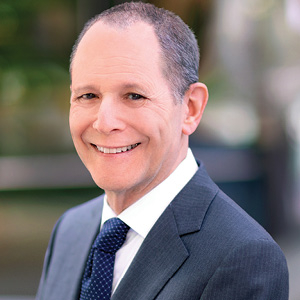
Cassandra Biron, LCSW (she/they) is a queer social worker who started her clinical career in service to the children in Queens, NY impacted by the foster care system. It was in the sessions with endlessly curious children who inspired her to continue and expand her career into the world of psychedelics where she currently works. Cass has seen the radical shift in mental health in LGBTQ+ and neurodivergent children when the human experience of being curious is bravely stepped into by the humans connected to the child. She lives in Brooklyn, NY with her fiancée and two cats, Laszlo and Nadja.