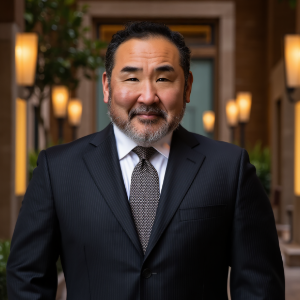
Having practiced personal injury law in Orange County for over 3 decades, I've noticed distinct patterns in where accidents occur. Certain intersections consistently appear in accident reports, and understanding why can help drivers stay safer—and help victims understand their legal options when crashes occur.
Why Certain Intersections Are More Dangerous
Traffic volume alone doesn't explain why some intersections see more accidents than others. Design flaws, inadequate signage, poor lighting, and confusing lane configurations all contribute to collision risk. When government entities fail to maintain safe roadways, they may bear liability for resulting accidents.
High-Risk Areas in Orange County
Beach Boulevard and Ball Road in Anaheim consistently ranks among Orange County's most dangerous intersections. The combination of high traffic volume, multiple turn lanes, and proximity to commercial centers creates perfect conditions for accidents.
Harbor Boulevard and Orangethorpe Avenue in Fullerton sees frequent collisions due to heavy commuter traffic and confusing lane patterns. T-bone accidents are particularly common here when drivers misjudge signal timing.
The I-5 and I-405 interchange, while technically a freeway merge rather than an intersection, generates numerous accidents daily. Drivers unfamiliar with the complex merge patterns often make sudden lane changes, causing sideswipe and rear-end collisions.
Santiago Canyon Road presents different dangers. This winding route through the Santa Ana Mountains sees serious accidents involving motorcycles and vehicles traveling too fast for conditions.
Freeway On-Ramps and Off-Ramps
Some of the most dangerous accidents I've handled occurred on freeway ramps. The transition from surface street speeds to freeway speeds—or vice versa—requires quick judgment and lane changes. Rear-end collisions are common when drivers don't accelerate quickly enough, while sideswipe accidents occur when merging drivers fail to check blind spots.
Legal Considerations for Intersection Accidents
Determining fault in intersection accidents often requires detailed investigation. Traffic camera footage, witness statements, and accident reconstruction experts can establish who had the right of way and whether any party violated traffic laws.
In some cases, the government entity responsible for road design or maintenance may share liability. Inadequate signage, malfunctioning traffic signals, or design defects that create confusion can all contribute to accidents.
If you've been injured in an intersection accident, working with an experienced Orange County car accident attorney can help identify all potentially liable parties and maximize your recovery.
Protecting Yourself
Defensive driving is your best protection. Approach intersections with caution, even when you have a green light. Assume other drivers may run red lights or make unexpected turns. And if you're unfamiliar with an area, slow down and pay extra attention to signage and lane markings.
When accidents do occur, document the intersection thoroughly. Note traffic signal timing, visibility conditions, and any obstructions that may have contributed to the crash.
About the Author
Yoshi Kubota is a founding partner at Kubota & Craig, an Orange County personal injury law firm based in Irvine, California. With over 35 years of experience representing accident victims throughout Southern California, he has recovered hundreds of millions of dollars for clients injured in car accidents, truck accidents, and other personal injury matters. He is recognized by Best Lawyers® for his work in personal injury litigation.
For a free consultation, contact Kubota & Craig at (949) 218-5676 or visit www.kubotacraig.com.