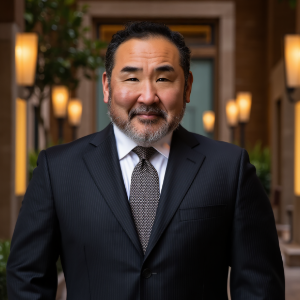
California's year-round riding weather makes it a haven for motorcyclists, but it also means more opportunities for accidents. As an attorney who has represented many motorcycle accident victims throughout Orange County, I understand both the unique joys of riding and the devastating consequences when crashes occur.
Why Motorcycle Accidents Are Different
Motorcycle accidents typically result in more severe injuries than car accidents. Without the protective shell of a vehicle, riders are exposed to direct impact forces. Even with proper safety gear, traumatic brain injuries, spinal cord damage, and severe road rash are common outcomes.
This severity affects legal claims in important ways. Medical expenses are often higher, recovery periods longer, and permanent disabilities more likely. Insurance companies know this and often fight motorcycle claims more aggressively than car accident cases.
California's Lane Splitting Law
California is the only state that explicitly permits lane splitting—riding between lanes of slow or stopped traffic. While this can be done safely, it also creates accident scenarios unique to California.
Assembly Bill 51, enacted in 2016, authorized the California Highway Patrol to develop lane splitting guidelines. Following these guidelines can help establish that a motorcyclist was riding safely, while violating them may affect fault determinations.
Common Causes of Motorcycle Accidents
Left-Turn Collisions: A driver making a left turn fails to see an oncoming motorcycle. These accidents often result in the motorcyclist striking the turning vehicle broadside.
Lane Change Accidents: Drivers fail to check blind spots before changing lanes, colliding with motorcycles traveling alongside them.
Rear-End Collisions: A distracted driver strikes a stopped or slowing motorcycle from behind.
Road Hazards: Potholes, debris, oil slicks, and uneven pavement that might be minor inconveniences for cars can cause motorcyclists to lose control.
Overcoming Bias Against Motorcyclists
One of the biggest challenges in motorcycle accident cases is overcoming bias. Some jurors—and some insurance adjusters—assume motorcyclists are inherently reckless. They may believe that choosing to ride a motorcycle means accepting the risk of injury.
Experienced motorcycle accident attorneys know how to counter these biases. We emphasize safety gear usage, riding experience, training courses completed, and adherence to traffic laws. We humanize our clients by showing who they are beyond their mode of transportation.
What to Do After a Motorcycle Accident
- Document your safety gear and any damage to it
- Photograph the accident scene from multiple angles
- Get contact information from all witnesses
- Don't remove your helmet until medical professionals arrive
- Preserve your damaged gear as evidence
Working with the right legal team can make a significant difference in your recovery. If you've been injured in a motorcycle accident, consulting with a car accident lawyer serving Orange County who understands the unique aspects of motorcycle cases can help protect your rights.
Conclusion
Motorcycle accidents present unique legal challenges, but riders who are injured through no fault of their own deserve full compensation for their damages. Understanding your rights and working with experienced counsel can help ensure you receive fair treatment.
About the Author
Yoshi Kubota is a founding partner at Kubota & Craig, an Orange County personal injury law firm based in Irvine, California. With decades of experience representing accident victims throughout Southern California, he has recovered millions of dollars for clients injured in car accidents, truck accidents, and other personal injury matters. He is recognized by Best Lawyers® for his work in personal injury litigation.
For a free consultation, contact Kubota & Craig at (949) 218-5676 or visit www.kubotacraig.com.