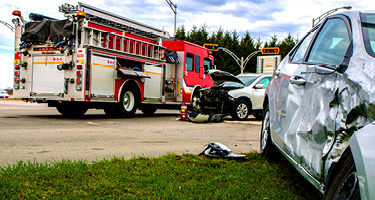

Preliminary federal data indicate that roughly 39,345 people lost their lives in motor vehicle crashes in the United States in 2024, down from 40,901 fatalities in 2023 and marking the first time annual traffic deaths have fallen below 40,000 since 2020.
There were more than 2.6 million emergency department visits for crash injuries in 2022 and federal estimates place the total societal cost of those crashes, including medical costs, at more than $470 billion. These figures highlight the ongoing financial and human impact of car accidents.
- Traffic deaths in the U.S. fell below 40,000 for the first time since 2020, but car accidents still cost over $470 billion annually in societal costs.
- The most effective safety measure is consistent seat belt use, yet nearly 50% of crash fatalities in 2023 involved occupants not wearing seat belts.
- Knowing local safety laws can prevent tickets and ensure compliance with the latest standards; avoiding distractions and impairment risks boost safety.
- With motor vehicle crashes heavily impacting the economy, driver choices are paramount for reducing injuries and fatalities.
Essential Driving Safety Measures
The most recent detailed federal data on these costs come from NHTSA’s 2019 Economic and Societal Impact study, which remains widely referenced in federal analyses and provides a baseline for understanding the financial impact of car accidents today. Through their studies, NHTSA has broken down the cost of accidents by age groups:
- Ages 0–14: Approximately $1.1 billion
- Ages 15–29: Approximately $6.5 billion
- Ages 30–49: Approximately $5 billion
- Ages 50–69: Approximately $3.8 billion
- Ages 70 and up: Approximately $2 billion
Safety Tips to Protect Yourself and Your Passengers
While avoiding a crash altogether is the best way to avoid the cost of treatment, a reckless or negligent driver could take that choice out of your hands. This means the best decision you can make is to keep yourself and your family safe in the event of a crash. To protect yourself and your passengers, follow these NHTSA recommendations:
- Consistent Seat Belt Use: Seat belts remain the single most effective safety device. In 2023, nearly 50% of passenger occupants killed in crashes were not wearing seat belts.
- Updated Child Safety: Keep children in rear-facing car seats as long as possible, up to the seat’s maximum weight or height limit. All children under 13 should remain in the back seat.
- Zero-Tolerance for Impairment: Never drive under the influence of alcohol, illegal drugs or prescription medications. Polydrug impairment is a growing cause of accidents.
- Eliminate Distractions: Hands-free technology can still cause cognitive distraction. Keep your eyes on the road and your mind on the task of driving.
- Know Your Local Laws: Each state has different safety requirements and restrictions. Adhering to these rules helps you avoid unnecessary tickets and ensures you are following the most current safety standards.
The Broader Impact of Car Accident Injuries
Motor vehicle crashes remain a major contributor to injury and death in the United States, with millions of emergency department visits each year, highlighting the continued strain on individuals, families and the broader economy.
As lawmakers and safety agencies continue to review and update traffic safety policies, meaningful protection ultimately depends on the choices drivers and passengers make every day behind the wheel.
Stann Givens is the founding partner of law firm Givens, located in Tampa, Florida. A board-certified attorney in marital law, he has accumulated many accolades, including "Lawyer of the Year" 2016 by Best Lawyers® in the area of family law in Tampa.
To connect with a trusted lawyer, explore the Best Lawyers directory. Start with the Personal Injury Litigation – Plaintiffs section to find attorneys recognized by their peers for their expertise.