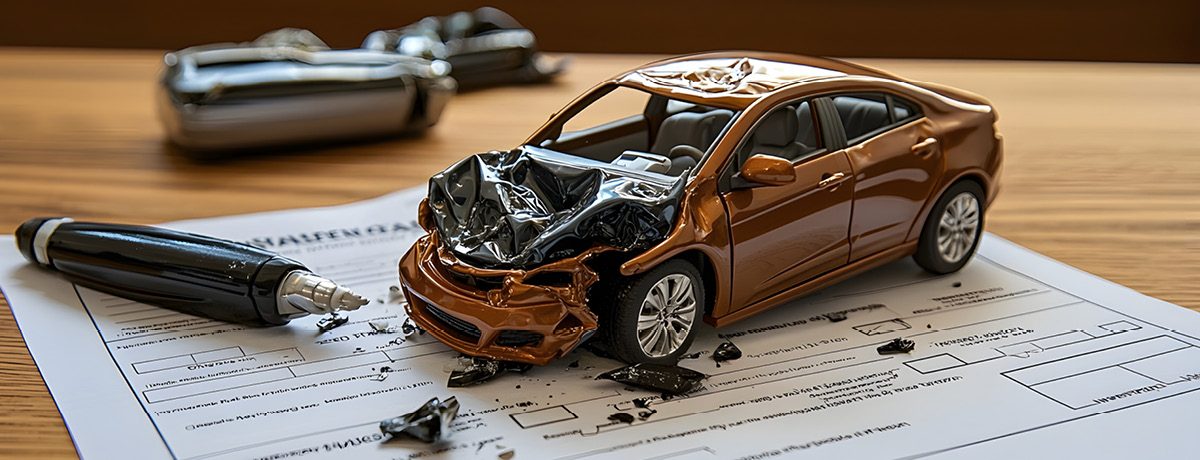
After a car accident, you're probably wondering how long it will take to get your case resolved. The short answer? It depends. The legal process for a car accident case can take anywhere from a few months to a few years, depending on the facts of your case and how it's resolved.
Car accident lawyers will break it down so you know what to expect and what you can do to help move your case forward.
What Affects the Timeline of a Car Accident Case?
Every car accident case is unique, but several key factors may influence how long the process takes:
- Severity of injuries
- Disputes over fault
- Insurance company delays
- Negotiation versus litigation
Your car accident's location might also affect the timeline, since rules may vary by jurisdiction.
As a general rule, the more straightforward the accident is and the stronger your evidence proving the other driver’s negligence, the faster your case is likely to be settled.
Step-by-Step: The Timeline of a Car Accident Case
Car accident cases may take anywhere from three months to three years to fully resolve, depending on many case-specific factors. Here are the basic steps involved in a car accident case and how long each phase usually takes.
1. Medical Treatment (Weeks to Months)
First, you’ll generally need to begin treatment or reach "maximum medical improvement," or the point where your condition has stabilized and won’t likely improve further. This phase can take a few weeks or several months, depending on the severity of your injuries.
2. Investigation and Demand Letter (One to Three Months)
Once you’ve begun treatment, your attorney will gather evidence, which may include:
- Police reports
- Medical records
- Photos of the accident scene
- Witness statements
- Surveillance footage
- Expert witness statements
After reviewing the evidence, your lawyer will typically send a demand letter to the insurance company outlining your injuries, damages, case facts, and the compensation you're seeking.
3. Negotiation and Settlement (Two to Six Months or Longer)
Some cases settle quickly, especially if liability is clear and the damages are straightforward. Others may require several rounds of negotiation.
Your lawyer’s job is to push for a fair settlement that covers all your losses. If a settlement is reached, your lawyer will review the settlement agreement with you.
4. Filing a Lawsuit
If negotiations stall, your lawyer may file a personal injury lawsuit, which involves:
- Filing a complaint
- Serving the defendant
- Waiting for a response (usually 30 days)
Even after a lawsuit is filed, many cases still settle before going to trial.
5. Discovery (Six to 12 Months)
Discovery is the stage where both sides exchange evidence and can include:
- Written questions (interrogatories)
- Requests for documents
- Depositions (out-of-court interviews under oath) of witnesses and experts
Both sides gain better insight into the strengths and weaknesses of their case. It’s common for a case to settle during or after discovery, which can be the longest stage.
6. Mediation Or Settlement Conferences (Before Trial)
Mediation is a less formal process where a neutral third party tries to help both sides reach an agreement. A more formal pre-trial settlement conference involves a judge facilitating negotiations. Some courts require this step before setting a trial date, and many cases resolve at this stage.
7. Trial (If Needed)
If there is still no agreement, your case goes to trial. This can last a few days to several weeks. Trial dates are often delayed due to crowded court schedules. Once the trial ends, the jury (or judge) will decide the outcome.
Of the personal injury cases that are filed in civil court, less than five percent are actually resolved through trial.
Tips to Help Speed Up the Car Collision Process
While some delays are out of your control, here are ways you can help keep your case on track:
- Get medical treatment right away
- Keep all documents, including medical bills, pay stubs, and receipts
- Stay in touch with your lawyer and provide requested information promptly
- Avoid social media posts that could be used against you
The legal process after a car accident can feel long. But taking the time to do things right can make a big difference in the compensation you receive.
Contact a Car Accident Lawyer to Help You Navigate the Legal Process After Your Car Crash
If you have been hurt in a car crash, be careful about any statements you make to the insurance company without a lawyer. An experienced personal injury attorney can guide you through every step and fight for the justice you deserve.
Jim McConkie is the founder of Parker & McConkie Personal Injury Lawyers. As a Salt Lake City personal injury lawyer, Jim McConkie is committed to fighting for Utah residents' rights. He also serves in Midvale, Salt Lake City, Provo, and Ogden in Utah, Idaho Falls, ID, and Rock Springs, WY. Contact his office today for a free consultation.
Visit our website to learn more: https://www.parkerandmcconkie.com/