Insight

Super Bowl 51: What to Do When the Fantasy Is Over and Football Fever Becomes a Work Reality?

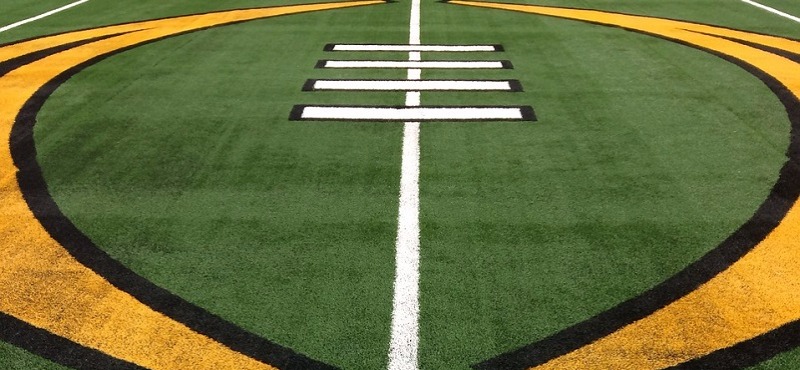
Football field with field paint football logo in the middle
HA

Hera S. Arsen

February 3, 2017 10:28 AM

Super Bowl 51 is just around the corner, and many of your employees probably already have football fever. According to a January 2016 study conducted by the Workforce Institute at Kronos, 77 percent of American workers planned to watch Super Bowl 50. So whether they are cheering for the Patriot’s ninth Super Bowl appearance, the halftime show, or the much-talked-about commercials, it’s a safe bet that most of your employees will tune in to at least part of the game day programming. Here are some issues employers may want to consider as they brace themselves for game day fumbles:

The fantasy football pool.

Gambling is still illegal in most jurisdictions—even at work and even when it’s just over football. As we’ve noted before, federal law and most state laws prohibit gambling: the Professional and Amateur Sports Protection Act of 1992 prohibits gambling on sports in most states, and the Interstate Wire Act of 1961 has been interpreted to prohibit online betting. In some states, gambling is a misdemeanor. However, in others, while gambling is generally prohibited, gambling at work may be considered an exception under certain circumstances. Nevertheless, it’s expected that millions of workers will participate in office pools related to the Super Bowl.

Employers may want to take this opportunity to clearly delineate their policies and communicate these policies to employees. To eliminate any confusion, employers may want to relay the state law on gambling to employees and define exactly which acts are covered under the law.

A widespread case of the Mondays.

If your Super Bowl party goes as it should, you and your guests might have a little more Monday angst than usual. The 2016 Workforce Institute study suggested that one in 10 workers (approximately 16.5 million U.S. employees) were expected to miss work on the Monday after Super Bowl 50 and that almost 10.5 million employees had requested that Monday off.

Is there anything employers can do to curb employees’ absences on Monday? Two initial considerations when managing employee sick time requests are: (1) whether the employee has sick time available; and (2) whether the employer’s sick time policies are enforced uniformly and all employees are treated equally in terms of their requests.

Employers might be able to decrease the likelihood of employees failing to come in on Monday and create morale-building opportunities by taking some proactive steps. For example, an employer could plan a celebratory work event on the Monday after Super Bowl Sunday. Employees will be itching to talk about the ins and outs of the game and the hot new commercials anyway—they may as well do it around a football-shaped cake while wearing their favorite team’s jersey.

Online instant replays.

Employees are not just watching games online; they are also streaming them on social media platforms. Last year, Twitter started carrying live streams of professional football games both on its site and on its app. In 2015, Facebook launched a Super Bowl news feed consisting of a live feed, photos and videos from media outlets, posts from users’ “friends,” live scores, and other ways to interact within the Facebook community. As employees watch games online and on apps, in addition to using the company’s email to communicate, companies might experience performance degradation in their computer networks.

This is a good time to remind employees of your company’s Internet use policies as well as any policy on the appropriate use of company-issued devices such as smartphones and tablets. Whichever course employers take, they should be sure to enforce their technology policies uniformly.

Conclusion

With a little foresight and planning—and a few carefully implemented policies—employers can avoid the blitz when it comes to the Super Bowl and workplace productivity.

Trending Articles

2026 Best Lawyers Awards: Recognizing Legal Talent Across the United States


by Jamilla Tabbara

The 2026 editions highlight the top 5% of U.S. attorneys, showcase emerging practice areas and reveal trends shaping the nation’s legal profession.

Map of the United States represented in The Best Lawyers in America 2026 awards

Gun Rights for Convicted Felons? The DOJ Says It's Time.


by Bryan Driscoll

It's more than an administrative reopening of a long-dormant issue; it's a test of how the law reconciles the right to bear arms with protecting the public.

Firearms application behind jail bars

2026 Best Lawyers Awards in Canada: Marking 20 Years of Excellence


by Jamilla Tabbara

Honoring Canada’s most respected lawyers and spotlighting the next generation shaping the future of law.

Shining Canadian map marking the 2026 Best Lawyers awards coverage

Revealing the 2026 Best Lawyers Awards in Germany, France, Switzerland and Austria


by Jamilla Tabbara

These honors underscore the reach of the Best Lawyers network and its focus on top legal talent.

map of Germany, France, Switzerland and Austria

Best Lawyers 2026: Discover the Honorees in Brazil, Mexico, Portugal, South Africa and Spain


by Jamilla Tabbara

A growing international network of recognized legal professionals.

Map highlighting the 2026 Best Lawyers honorees across Brazil, Mexico, Portugal, South Africa and Sp

How to Sue for Defamation: Costs, Process and What to Expect


by Bryan Driscoll

Learn the legal standards, costs and steps involved when you sue for defamation, including the difference between libel and slander.

Group of people holding papers with speech bubbles above them

Build Your Legal Practice with Effective Online Networking


by Jamilla Tabbara

How thoughtful online networking supports sustained legal practice growth.

Abstract web of connected figures symbolizing online networking among legal professionals

Algorithmic Exclusion


by Bryan Driscoll

The Workday lawsuit and the future of AI in hiring.

Workday Lawsuit and the Future of AI in Hiring headline

Blogging for Law Firms: Turning Content into Client Connections


by Jamilla Tabbara

How law firms use blogs to earn trust and win clients.

Lawyer typing blog content on laptop in office

Reddit’s Lawsuit Could Change How Much AI Knows About You


by Justin Smulison

Big AI is battling for its future—your data’s at stake.

Reddit Anthropic Lawsuit headline

How to Choose a Good Lawyer: Tips, Traits and Questions to Ask


by Laurie Villanueva

A Practical Guide for Your First-Time Hiring a Lawyer

Three professional lawyers walking together and discussing work

The 2026 Best Lawyers Awards in Chile, Colombia and Puerto Rico


by Jamilla Tabbara

The region’s most highly regarded lawyers.

Map highlighting Chile, Colombia and Puerto Rico for the 2026 Best Lawyers Awards

Common-Law Marriage in Indiana: Are You Legally Protected?


by Laurie Villanueva

Understanding cohabitation rights and common-law marriage recognition in Indiana.

Married Indiana couple in their home

Why Jack Dorsey and Elon Musk Want to 'Delete All IP Law'


by Bryan Driscoll

This Isn’t Just a Debate Over How to Pay Creators. It’s a Direct Challenge to Legal Infrastructure.

Elon Musk and Jack Dorsey standing together Infront of the X logo

AI Tools for Lawyers: How Smithy AI Solves Key Challenges


by Jamilla Tabbara

Understand the features and benefits within the Best Lawyers Digital Marketing Platform.

Legal professional editing profile content with Smithy AI

Alimony Explained: Who Qualifies, How It Works and What to Expect


by Bryan Driscoll

A practical guide to understanding alimony, from eligibility to enforcement, for anyone navigating divorce

two figures standing on stacks of coins