Insight

Immigrant Survivors of Abuse: What Are Your Legal Options?

Immigrants who have survived abuse at the hands of their partners may not be aware of their legal options. Tracie Morgan, seasoned immigration attorney, explains more.

Illustration of woman hanging head in sadness against red backdrop
Tracie L. Morgan

Tracie L. Morgan

October 9, 2023 12:00 AM

“He was my husband—I thought he could do anything he wanted to me. I didn’t know I could ask for help.” - Varsha, from India.

Being in an abusive relationship is already a nightmare. When you add language barriers, cultural challenges and immigration issues, it may seem like the nightmare will never end. Many times, immigrant survivors of domestic violence don’t know what their rights are and that there can be ways to gain independence through immigration relief. When immigration is used as a tool of control, it is counterintuitive to think about it as a way to freedom. The Violence Against Women Act (VAWA) and U Status are two ways that immigrant survivors of domestic violence and extreme cruelty can gain immigration status.

Under U.S. immigration law, a U.S. citizen can apply for their non-U.S. citizen spouse to gain immigration status (“getting a green card”). In 1994, though, Congress enacted VAWA, realizing that foreign nationals were staying in unsafe relationships because the abusive U.S. citizen held all the power. The abuser could threaten deportation or say they would withdraw their sponsorship if the foreign national spouse was “out of line.” VAWA, though, removes this power dynamic. When the foreign national can show the marriage to the U.S. citizen was bona fide, that they lived together, that they themselves possess good moral character and that they were subject to extreme cruelty, U.S. Citizenship and Immigration Services will accept a self-petition for a green card. VAWA doesn’t require physical violence—financial, emotional and mental abuse can all qualify someone for VAWA.

Applicants for VAWA often wonder what the impact will be on their spouse. Under 8 U.S.C. § 1367, the answer is none. This is not a criminal proceeding, and the U.S. citizen will never be contacted about this process. Also, the U.S. citizen cannot ask USCIS for any information about their spouse’s case. The evidence in the case is all provided by the foreign national. A personal statement, psychological evaluation, medical records and support letters can be sufficient to meet the extreme cruelty standard.

VAWA isn’t just for women. Men can certainly qualify for this type of relief. It’s also not limited to spouses (or former spouses). VAWA can be used by parents who are abused by their children or by adult children abused by their parents. Under current processing times, a VAWA green card case takes about three years.

Abuse isn’t confined to relationships between a U.S. citizen and a foreign national, though. If the abuser is a non-immigrant visa holder or lacks status, or if the couple isn’t legally married, U status is a good option to explore. It is a much longer overall process (closer to 15-20 years), but during much of the wait, the applicant can have a work permit, allowing them to obtain an SSN and a driver’s license and live life out of the shadows.

U status was created to increase cooperation between law enforcement and the immigrant community. If someone lacks immigration status, they aren’t likely to contact the police for help. However, U status aims to change that. To qualify for U status, the applicant must show they are a victim of a “qualifying crime” as defined by 8 CFR § 214.14 (typically a violent crime), that they cooperated with law enforcement and that they also suffered extreme physical or mental harm. Domestic violence and sexual assault qualify immigrants for this type of immigration relief.

The law enforcement requirement is, sometimes, the hardest part of these cases. Applicants do have to report the crime at a minimum—and this is a huge risk for them. However, even with a police report, law enforcement agencies have the discretion to sign or not sign the required certification form. Some agencies have blanket policies to never sign these requests, and others have restrictive guidelines. This leaves the victim in a bit of a game of roulette where the chances of success depend on the location of the crime. Still, though, many law enforcement agencies are learning about U status and see it as a tool to protect and serve the immigrant community.

For both VAWA and U status, there are special provisions that allow the applicant to apply, even if they entered the U.S. without inspection or even if they have prior removal orders.

Abuse is difficult for anyone to navigate and escape. However, in the immigrant community, additional layers of complexity are present. There are options, though. There are options for gaining status without a U.S. citizen petitioner, and there are options for those who survive domestic violence but whose abuser lacked status. No one should remain in an unsafe relationship just because of their lack of legal status or fear of immigration.

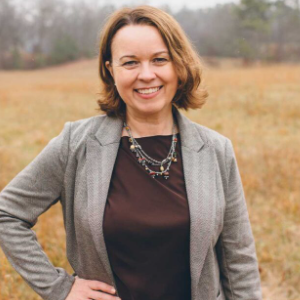
Headshot of woman with short brown hair

Tracie Morgan is the founder of Hope Immigration, LLC in Atlanta, Georgia. In over ten years, her firm has helped over 1500 people and families achieve their immigration goals. Her firm focuses on family and humanitarian immigration, with a particular niche working with immigrant survivors of violent crimes and human trafficking.

Headline Image: Adobe Stock/Olivia

Related Articles

How US Immigration Works: Everything You Need to Know


by Jennifer Verta

Explore the pathways, processes and evolving policies shaping U.S. immigration today.

Illustration of Immigrant Family Journey in Front of American Flag

IN PARTNERSHIP

Gonzalez Olivieri, LLC: An Immigration Firm You Can Trust


by Gonzalez Olivieri

Gonzalez Olivieri, LC has years of experience in immigration law specializing in helping businesses and families in Texas through complex legal proceedings.

A White Hand Holding a Stamp Above Papers on a Clipboard in Front of a Laptop

I-140 Petition


by Elizabeth L.A. Garvish and Vivien Li

I-140 petition requires financial ability to pay for small business, sole proprietor, household and other individual petitioners.

I-140 paper forms and money

Waiver Programs for International Medical Graduates


by Elizabeth L.A. Garvish

Immigration lawyer Elizabeth L.A. Garvish offers an overview of the interested government agency waiver programs for international medical graduates.

People forming a circle with white cross in center

Domestic Visa Renewal


by Tiffany Derentz

Domestic visa renewal is a game-changer, but it will take time and resources.

Man sitting on paper airplane connected to a start button being pressed by hand

IN PARTNERSHIP

Jan Pederson’s Immigration Career


by Wright, Constable & Skeen

Jan Pederson is an immigration law lawyer and partner at Wright, Constable & Skeen, where she has built a strong career working to obtain the best results for her clients.

Clock over image of person typing on computer

Changes to the New Form I-9 and Verification Process


by Nia Doaks

Best Lawyers: Ones to Watch® in America honoree Nia Doaks of Constangy, Brooks, Smith & Prophete offers guidance in navigating new Form I-9 changes.

I-9 Immigration Form with pen

Should We Eliminate the H-1B Cap?


by Roxanne H. Levine

The United States’ H-1B visa program has helped foster growth in the U.S. while also placing severe limitations on visas. It may be time to consider eliminating the program cap altogether.

Puzzle with people on it with one missing yellow piece

Compelling Circumstances EAD: A Pragmatic Policy Evolution


by Fariba Faiz

The article discusses the significance of the U.S. Citizenship and Immigration Services' Policy Alert PA-2023-18, which clarifies the criteria for obtaining Employment Authorization Documents (EADs) under category (c)(35) for foreign nationals facing compelling circumstances.

United States Employment ID and American Flag

IN PARTNERSHIP

The Current Situation for Asylum Seekers in the U.S.


by Allison Lukanich and Murali Bashyam

The U.S. asylum system has a staggering over 1.3 million cases pending before immigration courts and the government must distribute more resources to aid this watershed and resolve asylum claims faster.

Shadow of person standing by broken chain link fence

Do I Really Need an Immigration Attorney? Key Factors to Consider


by Best Lawyers

Immigrating to the U.S. can be a complex and lengthy experience. In this article, Best Lawyers evaluates how an immigration attorney can help along the way.

Department of Homeland Security logo with American flag in the backdrop

The Day-To-Day of an Immigration Lawyer in the U.S.


by Best Lawyers

In this article, Best Lawyers takes a glimpse into the day-to-day life of an immigration lawyer, what roles they must take on and how their assistance may be critical to the outcome of a case.

Two U.S. flags surround gold text and official seal

Maximizing Your Chances of Approval with an Immigration Attorney


by Best Lawyers

Tips for choosing the right immigration attorney and navigating the complex path to citizenship.

View of Statue of Liberty with birds in backrop

Same-Sex Couples and Marriage Visas: Everything You Need To Know


by Elizabeth Hagearty

All marriages are considered equal under U.S. law. Here’s what that means for LGBTQIA+ immigrants.

Pride flag, finger and visa document

Unenforceable HOA Rules: What Homeowners Can Do About Illegal HOA Actions


by Bryan Driscoll

Not every HOA rule is legal. Learn how to recognize and fight unenforceable HOA rules that overstep the law.

Wooden model houses connected together representing homeowners associations

What Is the Difference Between a Will and a Living Trust?


by Bryan Driscoll

A practical guide to wills, living trusts and how to choose the right plan for your estate.

Organized folders labeled “Wills” and “Trusts” representing estate planning documents

Trending Articles

2026 Best Lawyers Awards: Recognizing Legal Talent Across the United States


by Jamilla Tabbara

The 2026 editions highlight the top 5% of U.S. attorneys, showcase emerging practice areas and reveal trends shaping the nation’s legal profession.

Map of the United States represented in The Best Lawyers in America 2026 awards

Gun Rights for Convicted Felons? The DOJ Says It's Time.


by Bryan Driscoll

It's more than an administrative reopening of a long-dormant issue; it's a test of how the law reconciles the right to bear arms with protecting the public.

Firearms application behind jail bars

2026 Best Lawyers Awards in Canada: Marking 20 Years of Excellence


by Jamilla Tabbara

Honoring Canada’s most respected lawyers and spotlighting the next generation shaping the future of law.

Shining Canadian map marking the 2026 Best Lawyers awards coverage

Revealing the 2026 Best Lawyers Awards in Germany, France, Switzerland and Austria


by Jamilla Tabbara

These honors underscore the reach of the Best Lawyers network and its focus on top legal talent.

map of Germany, France, Switzerland and Austria

Best Lawyers 2026: Discover the Honorees in Brazil, Mexico, Portugal, South Africa and Spain


by Jamilla Tabbara

A growing international network of recognized legal professionals.

Map highlighting the 2026 Best Lawyers honorees across Brazil, Mexico, Portugal, South Africa and Sp

How to Sue for Defamation: Costs, Process and What to Expect


by Bryan Driscoll

Learn the legal standards, costs and steps involved when you sue for defamation, including the difference between libel and slander.

Group of people holding papers with speech bubbles above them

Build Your Legal Practice with Effective Online Networking


by Jamilla Tabbara

How thoughtful online networking supports sustained legal practice growth.

Abstract web of connected figures symbolizing online networking among legal professionals

Algorithmic Exclusion


by Bryan Driscoll

The Workday lawsuit and the future of AI in hiring.

Workday Lawsuit and the Future of AI in Hiring headline

Blogging for Law Firms: Turning Content into Client Connections


by Jamilla Tabbara

How law firms use blogs to earn trust and win clients.

Lawyer typing blog content on laptop in office

Reddit’s Lawsuit Could Change How Much AI Knows About You


by Justin Smulison

Big AI is battling for its future—your data’s at stake.

Reddit Anthropic Lawsuit headline

How to Choose a Good Lawyer: Tips, Traits and Questions to Ask


by Laurie Villanueva

A Practical Guide for Your First-Time Hiring a Lawyer

Three professional lawyers walking together and discussing work

The 2026 Best Lawyers Awards in Chile, Colombia and Puerto Rico


by Jamilla Tabbara

The region’s most highly regarded lawyers.

Map highlighting Chile, Colombia and Puerto Rico for the 2026 Best Lawyers Awards

Common-Law Marriage in Indiana: Are You Legally Protected?


by Laurie Villanueva

Understanding cohabitation rights and common-law marriage recognition in Indiana.

Married Indiana couple in their home

Why Jack Dorsey and Elon Musk Want to 'Delete All IP Law'


by Bryan Driscoll

This Isn’t Just a Debate Over How to Pay Creators. It’s a Direct Challenge to Legal Infrastructure.

Elon Musk and Jack Dorsey standing together Infront of the X logo

AI Tools for Lawyers: How Smithy AI Solves Key Challenges


by Jamilla Tabbara

Understand the features and benefits within the Best Lawyers Digital Marketing Platform.

Legal professional editing profile content with Smithy AI

Alimony Explained: Who Qualifies, How It Works and What to Expect


by Bryan Driscoll

A practical guide to understanding alimony, from eligibility to enforcement, for anyone navigating divorce

two figures standing on stacks of coins

This article is a part of the Best Lawyers Immigration Law Legal Guide. Read thought leadership from recognized lawyers and navigate a list of all honorees in the associated practice areas.

Explore the Legal Guide