
When the state of New York passed legislation in 2020 creating a thirty (30) month lookback (ineligibility period) for uncompensated transfers of assets (gifts) for the Medicaid home care program, no one could have imagined that almost five (5) years later the law would not yet be made effective. While an uncompensated transfer still creates a five (5) year lookback period for institutional Medicaid (nursing home), those seeking home care services paid by the Medicaid program have been able to transfer their assets (uncompensated transfers/gifts) to an Irrevocable Medicaid Asset Protection Trust (MAPT) or others without any impact on their eligibility for Medicaid home care.
However, in recent months, the home care Medicaid program in New York has received significant scrutiny from Governor Hochul’s administration. One significant change is that as of May 15, 2025, New York is mandating that all consumers in the CDPAP Program switch from their current fiscal intermediary to a single provider: Public Partnerships, LLC (PPL). CDPAP is the program which allows someone selected by the applicant (other than the applicant’s spouse) to be the home care aide for the applicant. The aide chosen by the consumer is then paid by Medicaid for the hours Medicaid approves. Prior to this change, the consumer had more than 600 fiscal intermediaries from which to choose ; these fiscal intermediaries were required to close by May 15, 2025.
Thus, as of May 15, 2025, the former fiscal intermediaries are no longer permitted to pay the aide on behalf of the consumer. The Hochul administration selected PPL, which is a Georgia based company. They now are entrusted with registering all 250,000 CDPAP recipients plus the caregivers, bringing the entire program under one roof. The objective of this change is to limit fraud within the CDPAP Program.
Of the 600 plus former fiscal intermediaries 42 were granted “approved facilitator” status and are permitted to assist PPL with the registration process. One can only hope and pray that PPL is up to the task!
In addition to this significant change affecting how the CDPAP Program is administered, there have also been recent rumblings that in either 2025 or 2026, New York will finally implement the thirty (30) month look back period for uncompensated transfers made for Medicaid home care eligibility.
This, in my opinion, should give seniors who are starting to feel the effects of aging and are beginning to need assistance with activities of daily living (walking, dressing, feeding, toileting, bathing) the push they need to consider engaging in Medicaid planning, including transferring assets to a MAPT. Additionally, if they are currently in need of assistance at home, they should immediately apply for Medicaid home care so that their application will not be subject to the 30-month lookback period once the law is implemented.
Additionally, and most recently, the New York State Senate is considering changing the resource eligibility amount for Home Care and Nursing Home Medicaid from $32,396 to $300,000.00 per person. While this large increase would benefit New York Seniors financially and allow them to keep more of their assets and still receive Medicaid benefits, I believe this increase would also severely impact the number of seniors eligible for Medicaid home care and/or Medicaid nursing home and strain the Medicaid system in New York.
Interestingly, all of the changes and/or proposed changes discussed above are at the New York State level and not Federally. We have yet to see what changes the federal government will be making to the Medicaid program.
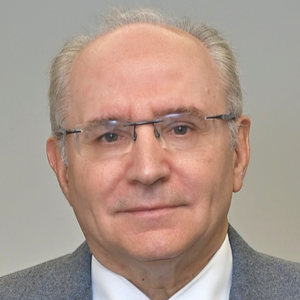
Anthony J. Enea is the managing attorney of Enea, Scanlan and Sirignano, LLP of White Plains, and Somers New York. He focuses his practice on Wills, Trusts, Estates and Elder Law. Anthony is the Past Chair of the Elder Law and Special Needs Section of the New York State Bar Association (NYSBA) and is the past Chair of the 50+ Section of the NYSBA. He is a Past President and Founding member of the New York Chapter of the National Academy of Elder Law Attorneys (NAELA). Anthony is also a Past President of the Westchester County Bar Foundation and a Past President of the Westchester County Bar Association. He is fluent in Italian. He can be reached at (914) 948-1500 or at a.enea@esslawfirm.com.
















