Insight

Another Final Rule from the DOL Regarding the FLSA - Effective January 15, 2020

Another Final Rule from the DOL Regarding the FLSA - Effective January 15, 2020

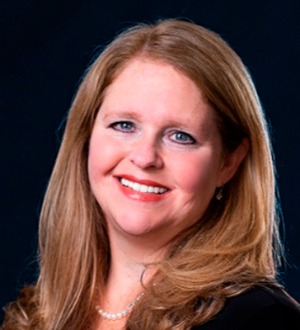
Ann Holden Kendell

Ann Holden Kendell

December 20, 2019 10:45 AM

Previously, the U.S. Department of Labor (DOL) released its Final Rule on September 24, 2019, updating the earnings requirements for exempt employees under the Fair Labor Standards Act (FLSA).

Now, the DOL has published another Final Rule (on 12/16/19) that may impact how overtime is determined for non-exempt (hourly) employees. Overtime pay is at least one and one-half times the regular rate for hours worked in excess of 40 hours per workweek. What is the regular rate? Hidden dangers abound in figuring regular rate of pay. For example, production bonuses provided at the end of the year should be included in the regular rate of pay for employees during the time frame in which the production bonus was earned AND for all overtime hours paid. The employer needs to pay the additional overtime premium on the new rate of pay (with the production bonus factored in).

What about other types of perks?

This Final Rule attempts to “provide clarity that allows employers to provide more benefits to their employees without unknown overtime consequences or litigation, and better reflect the 21st-century workplace.” The DOL confirms that employers may exclude the following from an employee’s regular rate of pay (i.e., not have to pay overtime on these benefits):

  • the cost of providing certain parking benefits, wellness programs, onsite specialist treatment, gym access and fitness classes, employee discounts on retail goods and services, certain tuition benefits (whether paid to an employee, an education provider, or a student-loan program), and adoption assistance;
  • payments for unused paid leave, including paid sick leave or paid time off;
  • payments of certain penalties required under state and local scheduling laws;
  • reimbursed expenses including cellphone plans, credentialing exam fees, organization membership dues, and travel, even if not incurred “solely” for the employer’s benefit; and clarifies that reimbursements that do not exceed the maximum travel reimbursement under the Federal Travel Regulation System or the optional IRS substantiation amounts for travel expenses are per se “reasonable payments”;
  • certain sign-on bonuses and certain longevity bonuses;
  • the cost of office coffee and snacks to employees as gifts;
  • discretionary bonuses, by clarifying that the label given a bonus does not determine whether it is discretionary and providing additional examples; and
  • contributions to benefit plans for accident, unemployment, legal services, or other events that could cause future financial hardship or expense.

BUT, beware of the bonus issue. As has always been the case, simply calling a bonus “discretionary” does not actually make a bonus discretionary and excluded from the regular rate.

The Final Rule also eliminates the restriction that “call-back” pay and other payments similar to call-back pay must be “infrequent and sporadic” to be excludable from an employee’s regular rate, while still requiring that such payments must not be prearranged. The DOL also updated its regulations on “basic rate,” which is authorized under section 7(g)(3) of the FLSA as an alternative to the regular rate under specific circumstances.

If you have questions about how the new rule may impact your business, please contact Ann Holden Kendell or any of our Employment & Labor Law Practice Group members for more information.

Find trusted legal counsel with the Best Lawyers Find a Lawyer tool and get the support you need.


Related Articles

Major Change to FLSA Procedure


by Greg Mansell

The Sixth Circuit will determine if a major procedural change is warranted for employees seeking unpaid wages.

Giant white dome building with image of multiple hundreds of dollars bills overlayed

Employee vs. Independent Contractor: Which Are You?


by Greg Mansell

The distinction between the two is integral. Misclassifying someone as an independent contractor can have several implications.

Man in the dark staring at his bright computer screen

Trending Articles

2026 Best Lawyers Awards: Recognizing Legal Talent Across the United States


by Jamilla Tabbara

The 2026 editions highlight the top 5% of U.S. attorneys, showcase emerging practice areas and reveal trends shaping the nation’s legal profession.

Map of the United States represented in The Best Lawyers in America 2026 awards

Gun Rights for Convicted Felons? The DOJ Says It's Time.


by Bryan Driscoll

It's more than an administrative reopening of a long-dormant issue; it's a test of how the law reconciles the right to bear arms with protecting the public.

Firearms application behind jail bars

2026 Best Lawyers Awards in Canada: Marking 20 Years of Excellence


by Jamilla Tabbara

Honoring Canada’s most respected lawyers and spotlighting the next generation shaping the future of law.

Shining Canadian map marking the 2026 Best Lawyers awards coverage

Revealing the 2026 Best Lawyers Awards in Germany, France, Switzerland and Austria


by Jamilla Tabbara

These honors underscore the reach of the Best Lawyers network and its focus on top legal talent.

map of Germany, France, Switzerland and Austria

Best Lawyers 2026: Discover the Honorees in Brazil, Mexico, Portugal, South Africa and Spain


by Jamilla Tabbara

A growing international network of recognized legal professionals.

Map highlighting the 2026 Best Lawyers honorees across Brazil, Mexico, Portugal, South Africa and Sp

How to Sue for Defamation: Costs, Process and What to Expect


by Bryan Driscoll

Learn the legal standards, costs and steps involved when you sue for defamation, including the difference between libel and slander.

Group of people holding papers with speech bubbles above them

Build Your Legal Practice with Effective Online Networking


by Jamilla Tabbara

How thoughtful online networking supports sustained legal practice growth.

Abstract web of connected figures symbolizing online networking among legal professionals

Algorithmic Exclusion


by Bryan Driscoll

The Workday lawsuit and the future of AI in hiring.

Workday Lawsuit and the Future of AI in Hiring headline

Blogging for Law Firms: Turning Content into Client Connections


by Jamilla Tabbara

How law firms use blogs to earn trust and win clients.

Lawyer typing blog content on laptop in office

Reddit’s Lawsuit Could Change How Much AI Knows About You


by Justin Smulison

Big AI is battling for its future—your data’s at stake.

Reddit Anthropic Lawsuit headline

How to Choose a Good Lawyer: Tips, Traits and Questions to Ask


by Laurie Villanueva

A Practical Guide for Your First-Time Hiring a Lawyer

Three professional lawyers walking together and discussing work

The 2026 Best Lawyers Awards in Chile, Colombia and Puerto Rico


by Jamilla Tabbara

The region’s most highly regarded lawyers.

Map highlighting Chile, Colombia and Puerto Rico for the 2026 Best Lawyers Awards

Common-Law Marriage in Indiana: Are You Legally Protected?


by Laurie Villanueva

Understanding cohabitation rights and common-law marriage recognition in Indiana.

Married Indiana couple in their home

Why Jack Dorsey and Elon Musk Want to 'Delete All IP Law'


by Bryan Driscoll

This Isn’t Just a Debate Over How to Pay Creators. It’s a Direct Challenge to Legal Infrastructure.

Elon Musk and Jack Dorsey standing together Infront of the X logo

AI Tools for Lawyers: How Smithy AI Solves Key Challenges


by Jamilla Tabbara

Understand the features and benefits within the Best Lawyers Digital Marketing Platform.

Legal professional editing profile content with Smithy AI

Alimony Explained: Who Qualifies, How It Works and What to Expect


by Bryan Driscoll

A practical guide to understanding alimony, from eligibility to enforcement, for anyone navigating divorce

two figures standing on stacks of coins