
The 2027 editions of The Best Lawyers in Brazil™, The Best Lawyers in Mexico™, The Best Lawyers in Portugal™ and The Best Lawyers in Spain™ highlight patterns in legal recognition across four countries.
Following the 2027 recognition announcements, this article examines the five leading practice areas in each country, relevant legislative and regulatory developments and gender representation among honorees.
Brazil's Most Recognized Practice Areas
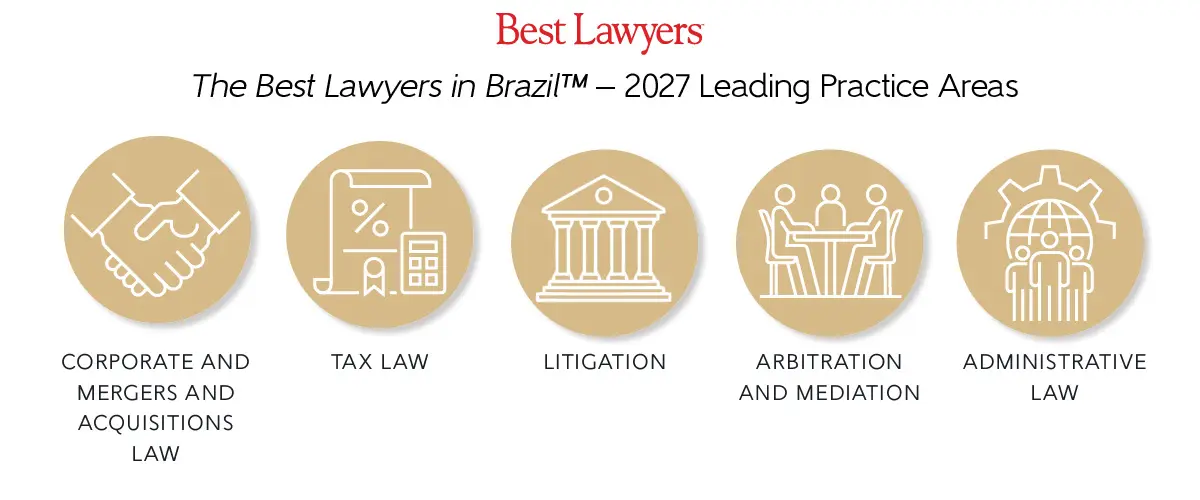
Corporate and M&A Law, Tax Law and Litigation lead The Best Lawyers in Brazil practice areas by number of recognized lawyers, followed by Arbitration and Mediation and Administrative Law.
Among honorees in Best Lawyers: Ones to Watch in Brazil™, Litigation holds the top position, followed by Corporate and M&A Law, Tax Law, Arbitration and Mediation and Real Estate Law.
Market Developments Across Brazil's Leading Practice Areas
Legislative reforms, regulatory decisions and judicial developments provide additional context for Brazil's leading practice areas, highlighting legal issues that may influence demand for legal services.
Corporate and M&A Law
Competition oversight remains an important consideration in Brazilian corporate transactions. In October 2026, the Administrative Council for Economic Defense (CADE) approved American Airlines' minority investment in Azul, subject to an agreement addressing corporate governance, information sharing and future changes in ownership. The safeguards reflect the competition concerns that can arise when reviewing corporate investments and acquisitions.
Tax Law
Brazil's consumption tax reform is reshaping businesses' tax obligations. Complementary Law No. 214 of 2025 established a framework for new taxes on goods and services, with implementation beginning in 2026. The transition continues through 2033, requiring businesses to prepare for changes in tax reporting, pricing and compliance, gradually replacing existing consumption taxes.
Litigation
Brazilian courts continue to clarify the procedures governing civil disputes and the enforcement of judgments. In December 2025, the Superior Court of Justice (STJ) established criteria for exceptional enforcement measures, requiring judges to consider proportionality, due process and less burdensome alternatives. The court also emphasized that judges must use such measures as a secondary option and provide case-specific justification, clarifying how courts may enforce civil obligations when conventional methods prove insufficient.
Arbitration and Mediation
Arbitrator independence remains an important consideration in Brazilian dispute resolution. In May 2026, the STJ upheld the annulment of an arbitral award after finding that an arbitrator's undisclosed professional relationships with lawyers representing one party undermined confidence in the proceedings and the arbitrator's impartiality.
Administrative Law
Public procurement reforms continue to influence relationships between businesses and government entities. Brazil's Law No. 14,133 of 2021 established a framework for public bidding and administrative contracts. In November 2025, Law No. 15,266 amended that framework to introduce the Express Purchasing System (Sicx) for standardized goods and services. The amendment adds a purchasing mechanism for public entities and businesses involved in government contracts.
To learn more about the lawyers recognized in these practice areas and beyond, visit our Find a Lawyer in Brazil page.
A Closer Look at Mexico's Leading Practice Areas
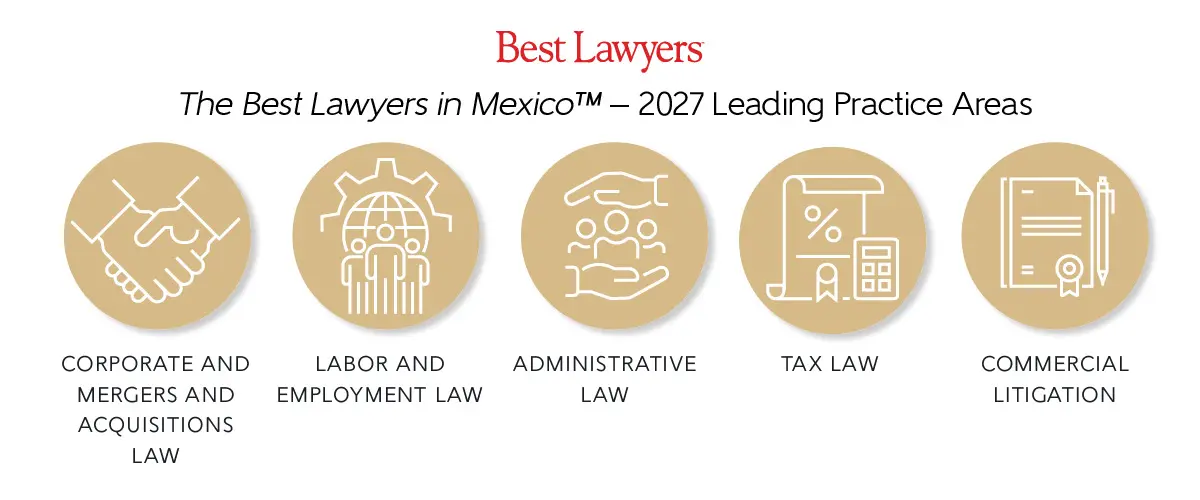
In The Best Lawyers in Mexico 2027 edition, Corporate and Mergers and Acquisitions Law has the highest number of recognized lawyers. Labor and Employment Law comes next, followed by Administrative Law, Tax Law and Commercial Litigation.
The Best Lawyers: Ones to Watch in Mexico™ results also place Corporate and Mergers and Acquisitions Law and Labor and Employment Law in the top two positions. Tax Law follows in third, with Competition / Antitrust Law in fourth. Arbitration and Mediation and Commercial Litigation share fifth place.
Corporate and Mergers and Acquisitions Law also held the top position in the 2026 edition, reflecting a consistent pattern of recognition across both years.
Legal and Regulatory Developments in Mexico
Mexico's leading practice areas operate within an evolving regulatory environment. Developments involving competition oversight, employment protections, government procurement and judicial procedures may help illustrate the legal issues affecting businesses and individuals across the country.
Corporate and Mergers and Acquisitions Law
Mexico's competition framework has undergone significant changes affecting corporate transactions. In October 2025, the National Antitrust Commission began operations, replacing the Federal Economic Competition Commission (COFECE) and assuming competition-related responsibilities previously held by the Federal Telecommunications Institute. The transition established a unified authority responsible for reviewing mergers and acquisitions, investigating anticompetitive conduct and enforcing competition rules across economic sectors.
Labor and Employment Law
Mexico has expanded employment protections for workers using digital platforms. Reforms to the Federal Labor Law took effect in June 2025, introducing labor rights and social security provisions for qualifying platform workers. In 2026, the Mexican Social Security Institute (IMSS) confirmed the continued application of rules governing the sector's social security registration while authorities assessed the results of a pilot program. Digital platform companies must account for these requirements when managing employment relationships and social security obligations.
Administrative Law
Public procurement reforms have changed how federal authorities purchase goods and services. In April 2025, Mexico enacted a new Public Procurement Law, establishing updated procedures for government acquisitions, leasing and service contracts. The legislation addresses procurement methods, supplier participation and contracting requirements, creating a revised framework for businesses seeking federal government contracts.
Tax Law
Mexico strengthened its tax enforcement framework through amendments to the Federal Tax Code that took effect in January 2026. Under the revised legislation, tax authorities can conduct inspections when they suspect electronic invoices document transactions that did not occur. The amendments to the Federal Tax Code also establish procedures allowing taxpayers to present evidence challenging allegations of fraudulent invoicing.
Commercial Litigation
Mexico's Supreme Court clarified the legal remedies available in oral commercial proceedings in March 2026. In a decision on precautionary measures, the court determined that parties challenging such measures issued during oral commercial proceedings do not need to pursue an ordinary appeal before seeking constitutional review through amparo, a legal remedy designed to protect constitutional rights. The decision provides greater procedural clarity for businesses involved in commercial disputes.
Interested in exploring Mexico's recognized legal professionals? Visit our Find a Lawyer in Mexico page to discover honorees across a range of practice areas.
Practice Area Recognition in Portugal
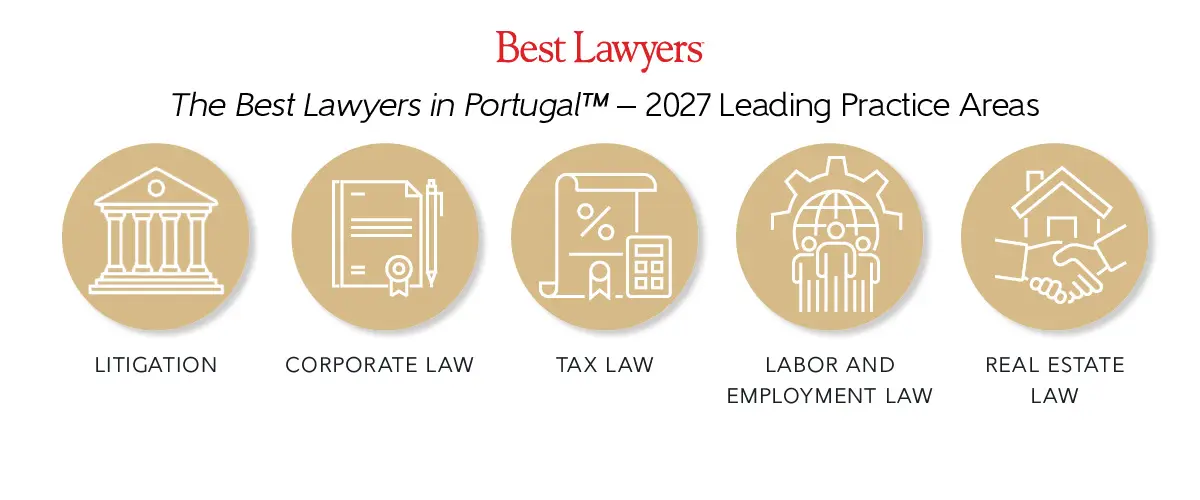
The five most prominent practice areas in The Best Lawyers in Portugal 2027 edition are Litigation, Corporate Law, Tax Law, Labor and Employment Law and Real Estate Law, in descending order of recognized lawyers.
Corporate Law has the highest number of recognized lawyers in Best Lawyers: Ones to Watch in Portugal™, with Litigation in second place and Mergers and Acquisitions Law in third. Real Estate Law and Tax Law share fourth place, rounding out the top five practice areas.
Legal and Regulatory Developments in Portugal
Several legal and regulatory developments offer additional context for Portugal's leading practice areas.
Litigation
Portugal has revised procedures for assigning civil cases to judges. In July 2025, Law No. 56/2025 amended the Code of Civil Procedure, introducing changes to the electronic distribution of court cases. The legislation establishes requirements for documenting and publishing case assignments, clarifies judicial oversight and outlines circumstances requiring reassignment. These measures aim to strengthen transparency and consistency in the administration of civil proceedings.
Corporate Law
Portugal's Competition Authority (AdC) reviews corporate transactions to assess their potential effects on market competition. In October 2026, the authority cleared Airbus' proposed acquisition of several aerospace manufacturing businesses after determining that the transaction was unlikely to significantly restrict competition in Portugal.
Tax Law
Portugal has adopted a phased reduction in its corporate income tax rate. Under Law No. 64/2025, enacted in November 2025, the general corporate tax rate falls to 19% for tax periods beginning in 2026, 18% in 2027 and 17% from 2028. The legislation also establishes a 15% rate on the first €50,000 of taxable income for qualifying small and medium-sized businesses and small mid-cap companies beginning in 2026. These changes have implications for corporate tax planning, financial projections and compliance.
Labor and Employment Law
Portugal has proposed changes to its employment framework through the Trabalho XXI labor reform initiative. In May 2026, the government approved the Trabalho XXI proposal, outlining changes intended to increase workplace flexibility, support collective bargaining and adapt employment legislation to the digital economy. The proposal reflects discussions about balancing business needs, productivity and workers' rights.
Real Estate Law
Portugal has updated its urban planning and construction licensing framework. In May 2026, Decree-Law No. 108/2026 revised procedures governing urban development, building approvals and rehabilitation projects. The legislation addresses administrative requirements and municipal procedures, with implications for property development, construction projects and real estate transactions.
For a closer look at the honorees recognized across these and other practice areas, explore our Find a Lawyer in Portugal page.
Spain's Leading Practice Areas in 2027
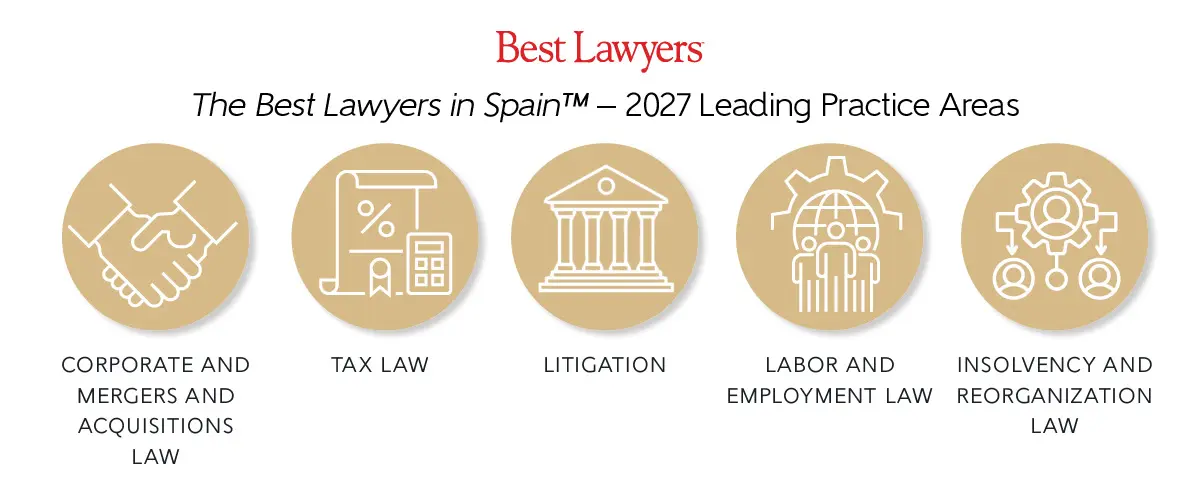
Corporate and Mergers and Acquisitions Law stands out in The Best Lawyers in Spain 2027 edition, with the most recognized lawyers. Tax Law, Litigation, Labor and Employment Law and Arbitration and Mediation follow, rounding out the five leading practice areas.
These four practice areas hold the top positions in Best Lawyers: Ones to Watch in Spain™, in the same order, with Administrative Law completing the top five.
Market Developments Across Spain's Leading Practice Areas
Legislative reforms, competition decisions and changes to legal procedures offer additional context for Spain's leading practice areas, highlighting some of the legal issues affecting businesses and individuals across the country.
Corporate and Mergers and Acquisitions Law
Competition authorities continue to scrutinize corporate transactions that could affect market competition. In July 2026, Spain's National Markets and Competition Commission (CNMC) approved the acquisition of certain Armas-Trasmediterránea assets by DFDS, subject to commitments and conditions. The regulator identified competition concerns involving maritime transport services between mainland Spain and Ceuta, requiring safeguards to facilitate market entry. Such conditions can influence transaction terms and business strategies when competition concerns arise.
Tax Law
Spain's implementation of international tax reforms has introduced additional obligations for large corporate groups. Law No. 7/2024, enacted in December 2024, established a supplementary tax framework designed to ensure a minimum effective tax rate of 15% for qualifying multinational and large domestic groups. The legislation aligns Spain with international efforts to address differences in corporate taxation and requires affected businesses to assess their reporting and compliance obligations.
Litigation
Procedural reforms have changed how parties pursue civil and commercial disputes in Spain. Organic Law No. 1/2025 introduced measures to improve judicial efficiency, including a general requirement to attempt an appropriate form of alternative dispute resolution before filing many civil and commercial lawsuits. The framework encourages negotiation and other settlement methods while preserving access to court proceedings when parties cannot resolve their disputes.
Labor and Employment Law
Employment regulations continue to influence how Spanish businesses structure workforce training and recruitment. In November 2025, Royal Decree No. 1065/2025 established detailed rules for training contracts, including arrangements that combine paid employment with education and contracts designed to provide professional experience. Effective in December 2025, the decree sets requirements for training plans, supervision and written agreements, giving employers a more detailed framework for hiring and developing workers through these arrangements.
Arbitration and Mediation
Spain's Constitutional Court has reinforced limits on judicial review of arbitral awards. In June 2026, the court overturned a decision by the High Court of Justice of Madrid that had partially annulled an arbitral award over concerns about its reasoning. The Constitutional Court clarified that judges cannot reassess an arbitrator's evaluation of evidence or revisit the merits of a dispute when reviewing an award.
Interested in discovering who earned recognition in Spain? Our Find a Lawyer in Spain page features honorees across a wide range of practice areas.
A Look at Gender Representation in the 2027 Results
The 2027 Best Lawyers Awards results offer insight into gender representation across selected practice areas in Brazil, Spain, Mexico and Portugal. In Brazil, women account for a slight majority of recognized lawyers in Employee Benefits Law.
In Spain, women make up the majority of recognized lawyers in Immigration Law and Family Law Mediation. Among Best Lawyers: Ones to Watch in Mexico honorees, women also outnumber men in Competition / Antitrust Law.
In Portugal, women make up the majority of recognized lawyers in Family Law, while Privacy and Data Security Law shows a more balanced distribution between women and men.
Practice Area Insights Across Four Countries
The 2027 Best Lawyers® results highlight distinct patterns of practice area recognition across Brazil, Mexico, Portugal and Spain. While certain areas, including corporate law, tax law and litigation, feature prominently across multiple countries, each country's results reflect a different mix of recognized legal professionals and practice areas.
Explore recognized legal professionals and their practice areas through our Find a Lawyer page.